

 Ver en contexto
 Enviar
 Compartir
 Detalles

 Descargar
 Similares
 Radiografía
 Presentación de diapositivas
 Stats
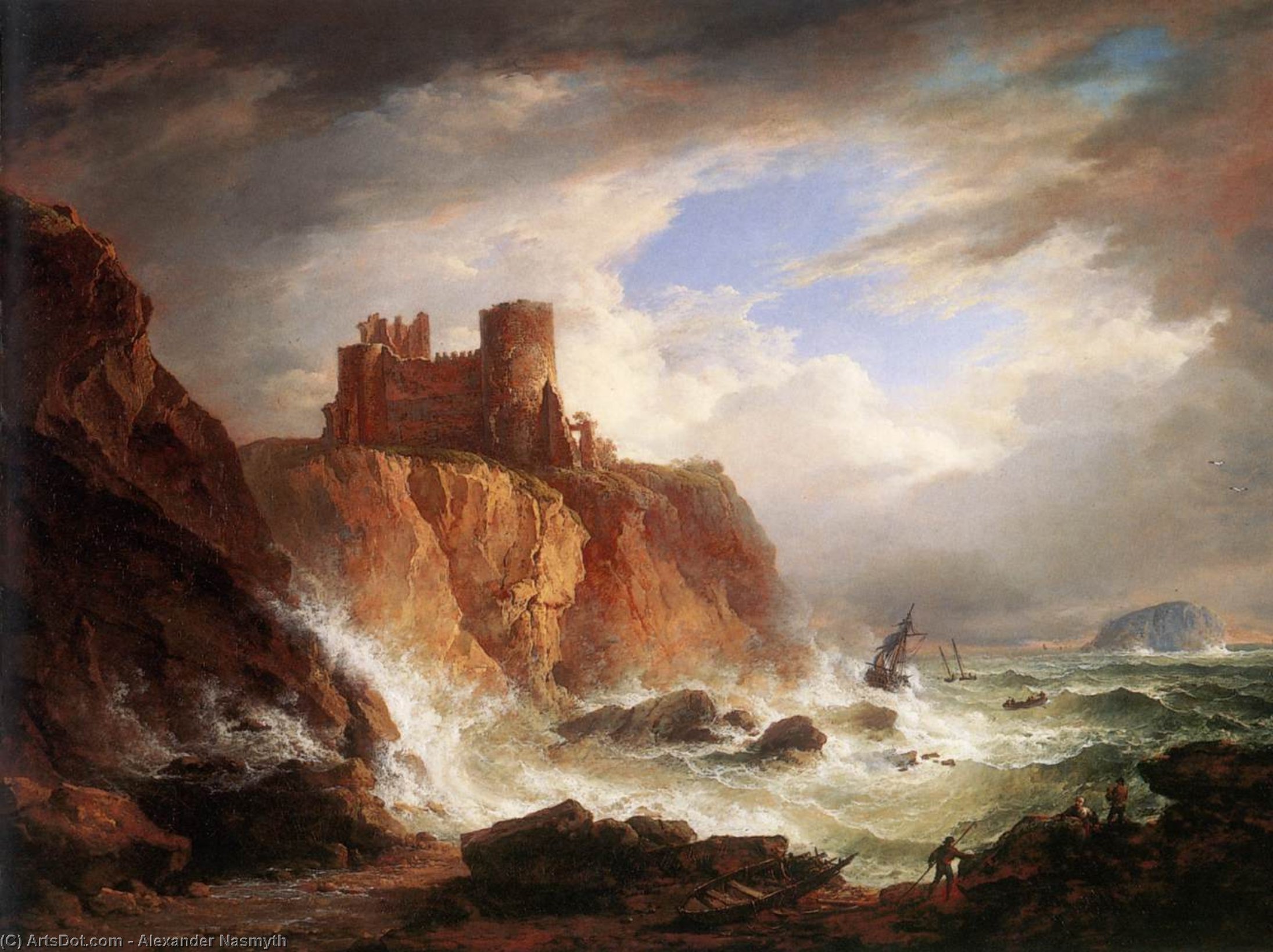
StatsA View of Tantallon Castle
 Acrylic
- WallArt
- Romanticism
 1816
1816 92.0 x 122.0 cm
 Galería Nacional de Escocia
 Ver más
Reproducción al óleo hecha a mano
Óleo sobre lienzo pintado a mano en el tamaño y marco de su elección, realizado por encargo por nuestros artistas. ( Switch to Print Switch to Digital Image)




P118B $10

P118H $10

P118W $10

P438Z $10

P508JH $12

P508YH $12

P805H $10

P805Z $10

P919BZ $10

P919G $10

P919XJ $10

P959ZH $10

P968JZ $12

W106C $8

W218G $10

W218JH $8

W218Y $10

W307PJ $10

W316G $10

W316PJ $8

W316Y $10

W398PJ $8

W4111J $10

W500HY $15

W500JH $15

W692G $12

W849H $8

W940BG $15

W953PJ $8




Elija entre nuestros tamaños predefinidos que respetan las proporciones originales de la obra.

Puede ingresar sus propias dimensiones para adaptarse a un marco o espacio específico. Si el tamaño seleccionado no coincide con las proporciones de la imagen original, recortaremos la obra o extenderemos la pintura con elementos adicionales pintados a mano. Se le enviará una maqueta digital para su aprobación antes de comenzar la producción.
Tenga en cuenta que la vista previa en pantalla no refleja el recorte o la extensión reales. Solo la maqueta mostrará con precisión la composición final.
Si bien existen tamaños personalizados, recomendamos seleccionar una dimensión de la lista predefinida para preservar las proporciones originales.
Tras realizar el pedido, el equipo de ArtsDot.com enviará un correo electrónico al cliente para solicitar instrucciones y proporcionarle una vista previa del boceto.
Envío a todo el mundo () en 3-4 semanas en lugar de las 5 semanas estándar. (8 septiembre). Sin comprometer la calidad.

Envío exprés gratuito a todo el mundo

Lienzo de lino de alta calidad

Seguro de envío total

Garantía de reembolso de impuestos aduaneros

Garantía de fidelidad cromática exacta

Política de devolución de 100 días (solo por defectos)

Garantía de devolución del 100% del dinero

Descuento por cantidad
 La opción de vidrio solo está disponible en tamaños inferiores a 110 cm.

A View of Tantallon Castle
Técnica de reproducción
Dimensiones de la reproducción
-


Precio total final
$ 263
A Portrait of Romantic Scotland: Alexander Nasmyth’s “A View of Tantallon Castle”
Alexander Nasmyth's "A View of Tantallon Castle," completed around 1816, stands as a cornerstone of Scottish landscape painting and embodies the spirit of the Romantic era. More than just a depiction of a dramatic coastline, it’s an immersive experience rendered in oil on canvas that captures not only the physical beauty of Tantallon Castle perched precariously atop its cliffside but also the profound emotional resonance of Scotland's turbulent past.The Landscape as Narrative
Nasmyth wasn’t merely aiming for visual accuracy; he sought to convey a sense of grandeur and melancholy—characteristics central to Romantic artistic ideals. The castle itself, crumbling yet defiant against the relentless assault of wind and sea spray, symbolizes resilience amidst decay – a motif frequently explored in Romantic literature and art. Its jagged silhouette dominates the composition, mirroring the ruggedness of the Northumberland coastline and underlining the power of nature. Above, a brooding sky laden with clouds contributes to an atmosphere of unease and contemplation, reflecting the anxieties of a nation grappling with social upheaval and industrial progress. The artist meticulously observed the topography of Tantallon Castle and its surroundings, incorporating detailed geological formations and atmospheric perspective—techniques honed during Nasmyth’s extensive travels in Italy where he absorbed the influence of Claude Lorrain and Nicolas Poussin.Technique and Artistic Vision
Nasmyth's masterful brushwork is immediately apparent. Thick impasto – heavily textured paint – dominates the castle walls, conveying solidity and permanence despite their ruinous state. This textural richness contrasts sharply with the softer blending employed in depicting the turbulent sea below, creating a dynamic interplay of light and shadow that enhances the painting’s dramatic impact. The artist skillfully utilized atmospheric perspective—reducing detail and color intensity as objects recede into the distance—to establish depth and convey the vastness of the Northumberland landscape. This technique was particularly prevalent during Nasmyth's time, reflecting a growing fascination with scientific observation and its application to artistic representation.Historical Context: Scotland in Transition
Painted against the backdrop of Britain’s Industrial Revolution, “A View of Tantallon Castle” speaks to a broader cultural shift toward valuing untamed wilderness and celebrating the sublime—experiences that stirred the imagination and challenged Enlightenment rationalism. Nasmyth's work reflects the Romantic movement's preoccupation with emotion and intuition alongside reason, mirroring the artistic sensibilities of his contemporaries like William Wordsworth and Samuel Taylor Coleridge. The painting served as an emblem of Scotland’s heritage and its connection to the natural world—a sentiment that resonated deeply within a nation striving to define its identity amidst rapid modernization.Symbolism Beyond Beauty
Beyond its aesthetic appeal, “A View of Tantallon Castle” carries symbolic weight. The castle's ruined state serves as a reminder of Scotland’s medieval past – a time of kingship and conquest—while simultaneously hinting at the inevitable passage of time and the triumph of nature over human ambition. Nasmyth’s deliberate choice of subject matter underscores the Romantic belief in confronting mortality and embracing the sublime, prompting viewers to contemplate the enduring power of landscape to inspire awe and provoke reflection. It remains a testament to Nasmyth's artistic vision—a captivating portrayal of Scotland’s dramatic coastline and a poignant meditation on themes of resilience, decay, and beauty.Obras relacionadas
Biografía del artista
Alexander Nasmyth: Pionero Escocés de la Pintura de Paisaje
- Nacido: Edimburgo, Reino Unido (1758)
- Fallecido: 1840
Alexander Nasmyth fue una figura clave en la historia del arte escocés, reconocido tanto como retratista como, más significativamente, como pintor de paisajes. A menudo se le atribuye el título de "padre de la pintura de paisaje escocesa", ya que sirvió de puente entre el retrato tradicional y el enfoque emergente del movimiento romántico en los paisajes naturales.
Primeros Años y Formación
- Aprendiz de carrocería antes de dedicarse al arte.
- Estudió en la Royal High School y la Trustees’ Academy en Edimburgo.
- Trabajó como asistente de Allan Ramsay, un destacado retratista, en Londres (1774-1778). Esta experiencia le proporcionó una valiosa formación técnica y exposición a las tendencias artísticas contemporáneas.
- Regresó a Edimburgo en 1778 y se estableció como retratista.
- Viajó a Italia (1782-1784) con el apoyo financiero de Patrick Miller de Dalswinton, donde profundizó su comprensión de la pintura de paisajes estudiando a los maestros italianos y copiando obras, notablemente las de Claude Lorrain.
Desarrollo Artístico y Obras Clave
- Inicialmente pintó retratos al estilo de Ramsay pero gradualmente se orientó hacia piezas de conversación con entornos exteriores.
- Su retrato de Robert Burns (1787) es una obra destacada de sus primeros años, que muestra su habilidad para capturar el carácter y el parecido.
- Alrededor de 1792, Nasmyth abandonó por completo el retrato para centrarse en la pintura de paisajes, influenciado por acontecimientos políticos y preferencias artísticas cambiantes.
- Desarrolló un estilo distintivo caracterizado por la observación detallada de las características naturales y los elementos arquitectónicos. Sus paisajes son todas representaciones de lugares reales.
- También diseñó decorados para teatros y pintó panoramas, demostrando su versatilidad como artista.
- Obras notables incluyen: Vista de Edimburgo desde el Oeste (1822-6), Una Vista De Edimburgo Desde El Dean, Paso De Las Vacas, Tierras Altas y varias representaciones de lagos y castillos escoceses.
Intereses e Innovaciones en Ingeniería
- Nasmyth poseía un gran interés en la ingeniería y propuso varias ideas innovadoras, aunque nunca las patentó.
- Participó en la mejora y embellecimiento de fincas para miembros de la nobleza escocesa.
- Diseñó estructuras notables como el templo circular que cubre St Bernard's Well (1789) y puentes en Almondell y Tongland.
- Participó en una prueba histórica del barco de vapor de Patrick Miller en Dalswinton Loch en 1788, demostrando su perspectiva vanguardista.
Legado e Influencia
- Estableció una escuela de dibujo en Edimburgo que influyó profundamente a una generación de artistas, incluyendo David Wilkie, David Roberts, Clarkson Stanfield, John Thomson of Duddingston e incluso el joven John James Ruskin (padre de John Ruskin).
- Su énfasis en dibujar directamente de la naturaleza tuvo un impacto duradero en la formación artística.
- Seis de sus hijas también se convirtieron en artistas notables, contribuyendo a un legado familiar en las artes.
- El trabajo de Nasmyth ayudó a establecer la pintura de paisajes como un género respetado en Escocia y allanó el camino para generaciones posteriores de artistas paisajistas escoceses.
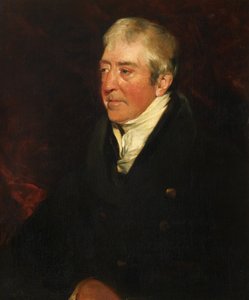
Alexander Nasmyth
1758 - 1840 , Reino Unido
Datos clave
- Artistas Influenciados:
- David Wilkie
- J.J. Ruskin
- Artistas Que Influyeron:
- Allan Ramsay
- Claude Lorrain
- Fecha De Fallecimiento: 10 de abril de 1840
- Fecha De Nacimiento: 9 de septiembre de 1758
- Lugar De Nacimiento: Edimburgo, Reino Unido
- Movimiento Artístico: Romanticismo
- Nacionalidad: Escocés
- Nombre Completo: Alexander Nasmyth
- Obras Notables:
- Retrato de Robert Burns
- Vista de Edimburgo desde el Oeste
- A View Of Edinburgh From The Dean
- Paso de las Vacas, Highlands
Artículos relacionados
Alexander Nasmyth: Picturing Scotland's Romantic Landscape – Innovation & Identity
Explore the life & art of Alexander Nasmyth, a pivotal figure in Scottish Romantic landscape painting. Discover his iconic works, including portraits of Robert Burns, and learn about his lasting influence on national identity. Fine art reproductions available.

Evocations of Place: A Historical Journey Through Landscape Art
Explore the rich history of landscape art with ArtsDot. Discover renowned artists, movements like Impressionism & Romanticism, and expert guidance for collecting timeless pieces. Find your perfect serene escape today!
El Sublime y lo Pintoresco: Explorando la Emoción y la Naturaleza en la Pintura Romántica de Paisaje
Explora la profunda conexión entre el arte romántico y la naturaleza. Descubre a Caspar David Friedrich, John Constable y otros maestros del sublime y lo pintoresco. Análisis experto e historia del movimiento.
Patrick Nasmyth: A Scottish Romantic's Vision of History & the Grand Manner
Explore the captivating landscapes of Patrick Nasmyth, a key figure in Scottish Romanticism. Discover his Dutch influences, embrace of the Grand Manner, and lasting artistic legacy. Learn more at ArtsDot.

Paisajes Románticos: 10 Obras Maestras que Definieron un Movimiento Artístico
Descubre los 10 paisajes románticos más influyentes de artistas como Caspar David Friedrich y Turner. Explora la belleza, el simbolismo y las técnicas del movimiento romántico. Reproducciones de arte exclusivas en ArtsDot.com.