 Ver en contexto
 Enviar
 Compartir
 Detalles

 Descargar
 Similares
 Radiografía
 Presentación de diapositivas
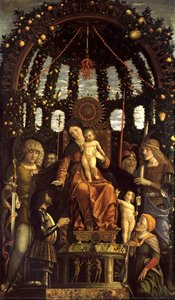
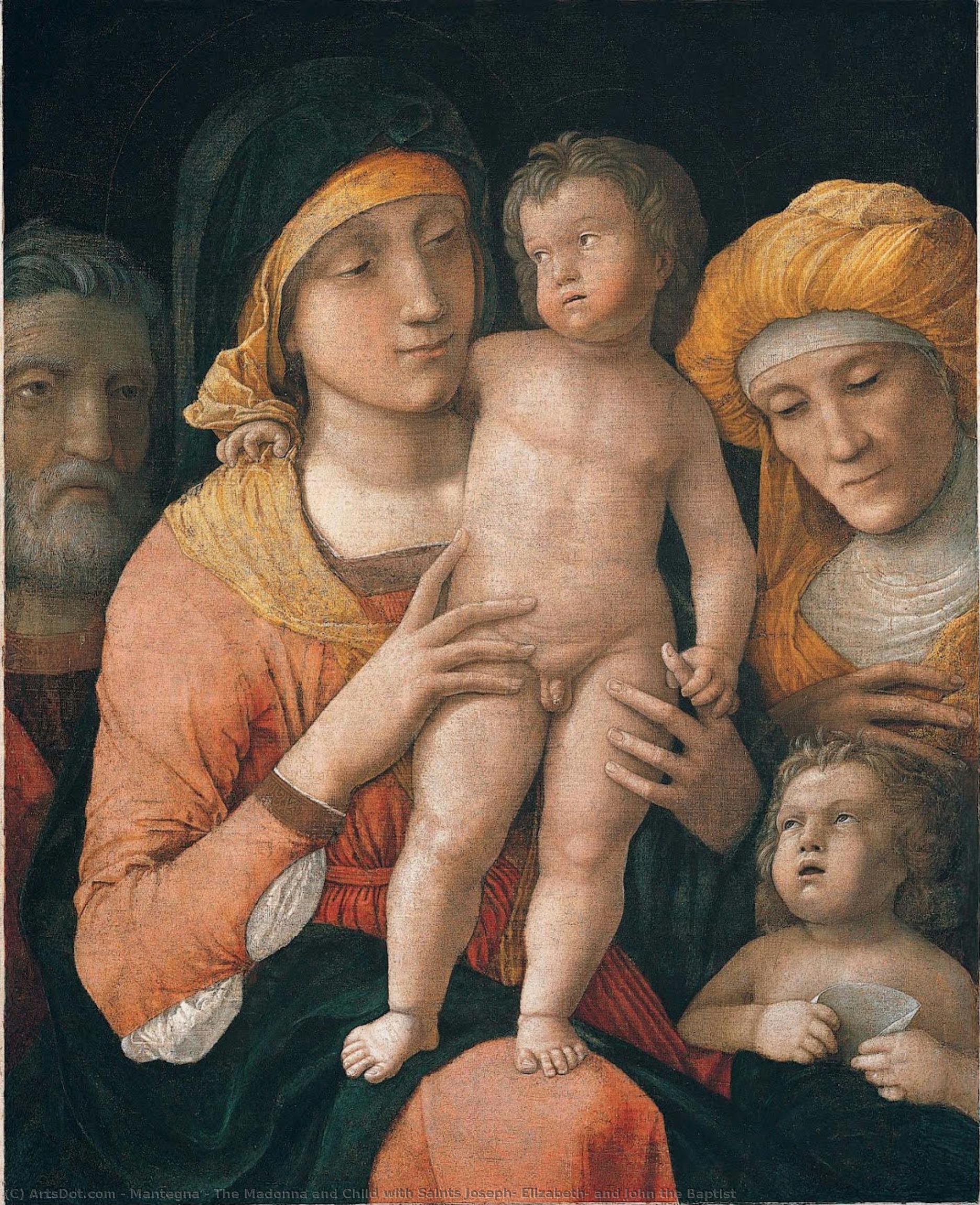
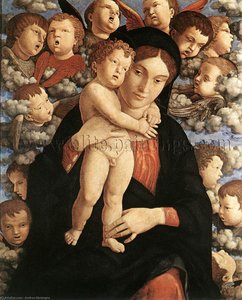
La Madonna y el Niño con Santos José, María Elena y Juan Bautista
 Acrílico sobre lienzo
- Arte de pared
- Renaissance Classicism
 1485
1485- Renacimiento
 62.0 x 51.0 cm
 Museo de Arte Kimbell
 Ver más
Reproducción al óleo hecha a mano
Óleo sobre lienzo pintado a mano en el tamaño y marco de su elección, realizado por encargo por nuestros artistas. ( Comprar impresión Comprar imagen)




P118B $10

P118H $10

P118W $10

P438Z $10

P508JH $12

P508YH $12

P805H $10

P805Z $10

P919BZ $10

P919G $10

P919XJ $10

P959ZH $10

P968JZ $12

W106C $8

W218G $10

W218JH $8

W218Y $10

W307PJ $10

W316G $10

W316PJ $8

W316Y $10

W398PJ $8

W4111J $10

W500HY $15

W500JH $15

W692G $12

W849H $8

W940BG $15

W953PJ $8




Elija entre nuestros tamaños predefinidos que respetan las proporciones originales de la obra.

Puede ingresar sus propias dimensiones para adaptarse a un marco o espacio específico. Si el tamaño seleccionado no coincide con las proporciones de la imagen original, recortaremos la obra o extenderemos la pintura con elementos adicionales pintados a mano. Se le enviará una maqueta digital para su aprobación antes de comenzar la producción.
Tenga en cuenta que la vista previa en pantalla no refleja el recorte o la extensión reales. Solo la maqueta mostrará con precisión la composición final.
Si bien existen tamaños personalizados, recomendamos seleccionar una dimensión de la lista predefinida para preservar las proporciones originales.
Tras realizar el pedido, el equipo de ArtsDot.com enviará un correo electrónico al cliente para solicitar instrucciones y proporcionarle una vista previa del boceto.
Envío a todo el mundo () en 3-4 semanas en lugar de las 5 semanas estándar. (31 agosto). Sin comprometer la calidad.

Envío exprés gratuito a todo el mundo

Lienzo de lino de alta calidad

Seguro de envío total

Garantía de reembolso de impuestos aduaneros

Garantía de fidelidad cromática exacta

Política de devolución de 60 días (solo por defectos)

Garantía de devolución del 100% del dinero

Descuento por cantidad
 La opción de vidrio solo está disponible en tamaños inferiores a 110 cm.

La Madonna y el Niño con Santos José, María Elena y Juan Bautista
Técnica de reproducción
Dimensiones de la reproducción
-


Precio total final
$ 338
Andrea Mantegna: A Pioneer of Renaissance Spatial Illusion
Andrea Mantegna (1431 – 1506) stands as one of the most influential artists of the Early Renaissance, a figure whose unwavering dedication to classical ideals and groundbreaking artistic innovations cemented his place in art history. Born near Padua, Italy, Mantegna’s formative years were steeped in humanist scholarship—he studied at the University of Padua—a fact that profoundly shaped his worldview and subsequently informed his distinctive visual language. His lifelong fascination with antiquity wasn't merely aesthetic; it represented a fundamental belief in the power of observation and reasoned representation, principles that would become central to his artistic practice.His career began modestly, assisting Francesco Squarcione, who championed the revival of classical sculpture. This early exposure instilled in Mantegna an unparalleled understanding of sculptural form and spatial perspective—skills he would meticulously hone throughout his prolific output. Notably, Squarcione’s workshop prioritized studying Roman art over traditional painting methods, a decision that propelled Mantegna toward developing a revolutionary technique: *trompe-l'oeil*, or optical illusion. This masterful manipulation of visual perception allowed him to create astonishingly realistic depictions of space, blurring the boundaries between reality and representation.
- The Gonzaga Patronage: Mantegna’s artistic trajectory gained significant momentum through his appointment as court painter to Federico Gonzaga III, Duke of Mantua. This prestigious commission afforded him unparalleled access to resources and enabled him to undertake ambitious projects that showcased his genius.
- “La Camera Picta”: Perhaps Mantegna's most celebrated achievement was the frescoed “Camera Picta” (Painted Room) in Palazzo Ducale di Mantova—a monumental space designed to impress visitors with its breathtaking illusion of depth and grandeur. It exemplifies Mantegna’s mastery of perspective, employing innovative techniques that anticipated developments in Baroque art.
- Sculptural Influence: Mantegna's artistic vision was undeniably shaped by the rediscovery of classical sculptures during his time. Artists like Donatello and Jacopo Bellini served as crucial mentors, fostering an appreciation for idealized forms and anatomical accuracy.
The Madonna and Child with Saints Joseph, Elizabeth, and John the Baptist: Spatial Depth and Divine Mystery
Mantegna’s *Madonna and Child with Saints Joseph, Elizabeth, and John the Baptist*, completed around 1485–88, exemplifies his artistic principles at their finest. Executed on a linen canvas using distemper—a glue tempera technique—the painting transcends mere visual representation; it aspires to convey profound spiritual meaning. The composition is meticulously structured around a pyramidal form, with Mary positioned at the apex and Jesus nestled securely in her arms. Diagonals emanating from the figures’ poses guide the viewer's eye toward the central tableau, creating an immersive experience that captures the essence of the Incarnation—the divine Word made flesh.Technique and Material Considerations
Mantegna’s meticulous attention to detail is evident in every aspect of this artwork. The artist skillfully rendered skin with remarkable realism, capturing subtle variations in tone and surface quality—a testament to his unparalleled understanding of human anatomy. Draperies are depicted with intricate folds and creases, conveying the weight and materiality of the fabrics. Furthermore, the painting’s delicate surfaces are vulnerable to abrasion over time, a consequence of its age and exposure to environmental factors. The preservation efforts undertaken in 1987 focused on stabilizing these fragile areas, allowing us to appreciate Mantegna's extraordinary technique—a feat of artistic virtuosity that continues to inspire awe.Symbolism and Emotional Resonance
The painting’s symbolism speaks volumes about Christian iconography. The Christ Child’s pose embodies innocence and divine majesty, reflecting the theological significance of his incarnation. John the Baptist's gaze upward symbolizes his recognition of Jesus as the Messiah—a gesture laden with spiritual reverence. Ultimately, *Madonna and Child with Saints Joseph, Elizabeth, and John the Baptist* transcends its formal elements to evoke a powerful emotional response—one rooted in contemplation and admiration for the sublime beauty of Renaissance art.A Legacy Enduring Through Time
Mantegna’s influence extended far beyond his own lifetime. His innovative approach to perspective foreshadowed developments in Baroque art, establishing him as a pivotal figure in European artistic history. Today, *Madonna and Child with Saints Joseph, Elizabeth, and John the Baptist* resides in the Kimbell Art Museum in Fort Worth, Texas—a testament to its enduring artistic merit and its ability to captivate audiences across centuries.Obras relacionadas

Biografía del artista
vida temprana y carrera
Andrea Mantegna, un innovador pintor e estudioso de la arqueología romana italiano, nació en Italia en 1431. Su vida está marcada por una desviación significativa de las formas suaves de su tiempo, favoreciendo un tratamiento audaz y voluminoso del espacio y la forma.contribución a la perspectiva
La obra de Mantegna fue fundamental para explorar la perspectiva, utilizando técnicas como ajustar la línea del horizonte para impartir una escala más grandiosa y gravedad a sus obras. Este enfoque marcó una desviación significativa de las formas suaves de su tiempo, mostrando su estilo único.obras notables y asociaciones
* Las pinturas de Mantegna son reconocidas por su calidad robusta y escultórica, exhibiendo paisajes y figuras duras y reflectantes que revelan su sensibilidad como escultor a la forma y la textura. * Su asociación con la familia Bellini a través del matrimonio es notable, ya que refleja la interconexión de las familias artísticas durante el Renacimiento.legado en la historia del arte
La influencia de Mantegna en el desarrollo del arte en Italia y más allá es innegable. Su enfoque audaz de la perspectiva y la forma ha inspirado a generaciones de artistas. Como se ve en su colección en ArtsDot, sus obras continúan cautivando al público con su grandeza e innovación.- Movimientos artísticos clave: Renacimiento, perspectiva temprana.
- Obras notables: incluyen "El lamento sobre el Cristo muerto" y "San Jorge".
- Museos que exhiben su obra: la Galería Nacional de Londres y la Pinacoteca Brera en Milán, entre otros.
lectura adicional y exploración
* Para más información sobre la vida y las obras de Mantegna, consulte la colección Palumbo-Fossati (Venecia, Italia), que presenta una breve reseña de la colección y sus piezas notables. * Explore la historia del arte en Italia con la cultura de Italia en Wikipedia.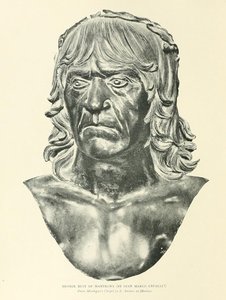
Andrea Mantegna
1431 - 1506 , Italia
Datos clave
- Artistas Influenciados:
- Rafael
- Miguel Ángel
- Artistas Que Influyeron:
- Donatello
- Jacopo Bellini
- Fecha De Muerte: 1506
- Fecha De Nacimiento: 1431
- Lugar De Nacimiento: Carturo, Italia
- Movimiento Artístico: Renacimiento Temprano
- Nacionalidad: Italiana
- Nombre Completo: Andrea Mantegna
- Obras Notables:
- El Lamento sobre el Cristo muerto
- San Jorge y el dragón
- Camera degli Sposi
- Los Triunfos de César
Artículos relacionados

Legado en las Paredes: Frescos Familiares que Trascienden el Tiempo
Descubre el arte del fresco muralístico para inmortalizar tu historia familiar. Expertos en frescos personalizados y técnicas ancestrales. Crea un legado visual único con .

The Enduring Legacy of Fresco Painting: Techniques, History & Contemporary Relevance
Explore the rich history & enduring artistry of fresco painting – from Giotto to Michelangelo! Discover techniques, conservation efforts, & modern applications. Learn how ArtsDot brings this timeless art form to your home.

The Enduring Legacy of Fresco: Technique, History & Artistic Expression Across Cultures
Explore the rich history & enduring legacy of fresco painting! Discover ancient techniques, Giotto's masterpieces, and modern applications. Expert insights for art lovers & professionals.
¿El Arte que Habita Contigo: El Poder Emocional de un Fresco Interior Personalizado?
Descubre el poder emocional de un fresco interior personalizado. Expertos en arte te guían para crear una obra única que refleje tu estilo y valore tu hogar. : calidad, confianza y diseño excepcional.
Rafael: Las 25 Obras Maestras que Definen al Genio del Renacimiento | ArtsDot
Descubre las 25 obras maestras de Rafael Sanzio, el genio del Renacimiento. Explora su historia, técnica y significado en pinturas icónicas como 'La Escuela de Atenas'. Reproducciones de arte de alta calidad para decorar tu hogar con elegancia. ¡Explora la colección completa en ArtsDot.com!