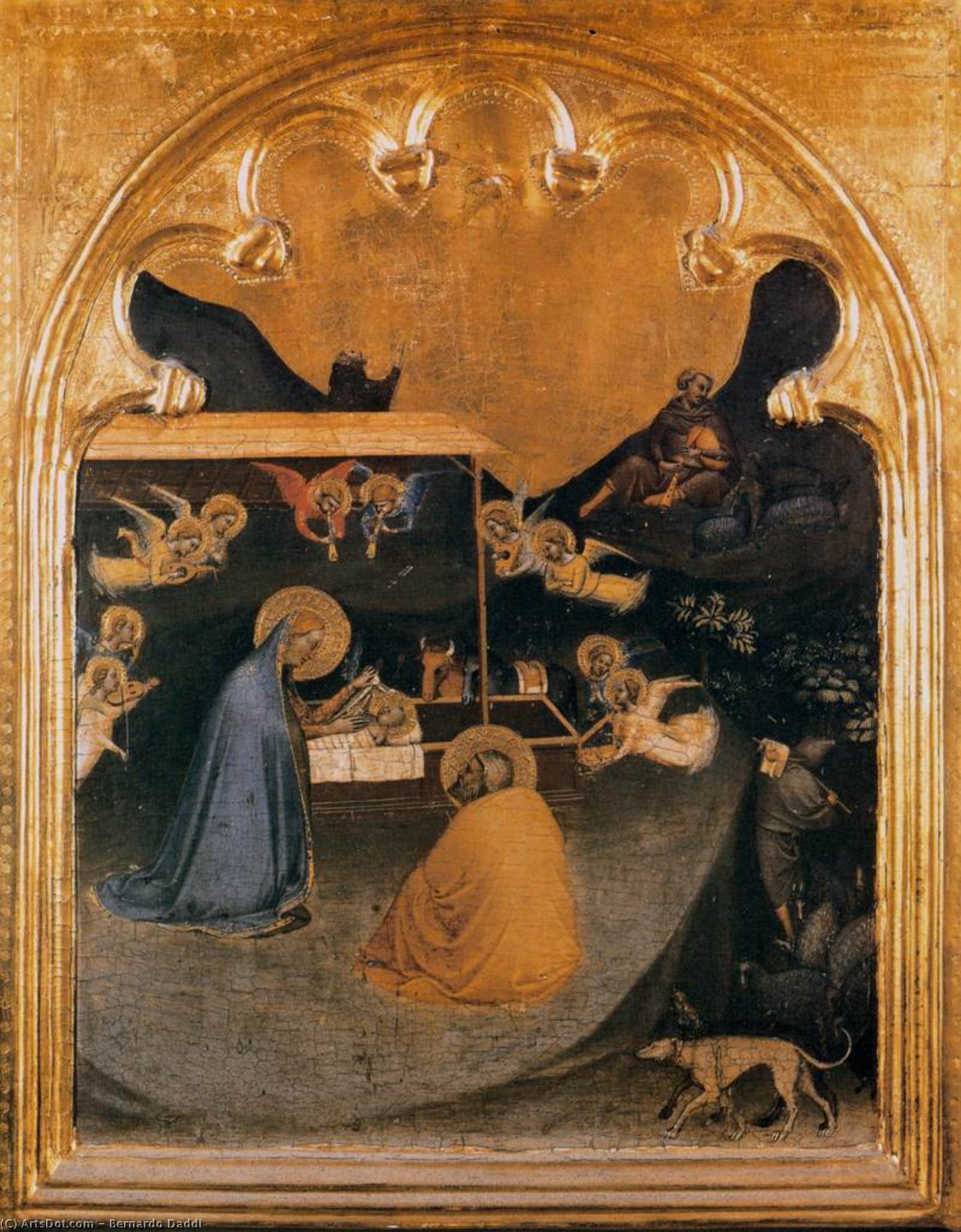
The Polyptych of San Pancrazio: Predella panel by Bernardo Daddi is a stunning depiction of the Nativity and Adoration of the Shepherds, showcasing Daddi's masterful use of tempera on wood. Located in Florence’s Galleria degli Uffizi, this artwork exemplifies early Renaissance artistic principles.
Bernardo Daddi (1290-1348): Pintor florentino clave de la transición gótica a renacentista. Famoso por sus portátiles retablos y su elegante estilo influenciado por Giotto y Lorenzetti. Descubre su legado artístico!
Descubre el Renacimiento florentino en la Galería Uffizi: Botticelli, Leonardo y Miguel Ángel te esperan. ¡Un viaje artístico inolvidable!
Bernardo Daddi’s Polyptych of San Pancrazio: Predella Panel – A Window into Florentine Renaissance Spirituality
The Polyptych of San Pancrazio, specifically its predella panel by Bernardo Daddi, stands as a remarkable testament to the artistic fervor and spiritual contemplation that characterized early 14th-century Florence. More than just a decorative element adorning the church of San Pancrazio, it’s a meticulously crafted visual narrative—a microcosm of humanist ideals blossoming amidst the lingering influence of Byzantine tradition—that continues to captivate art historians and inspire collectors alike. Measuring approximately 31 x 17 cm, this tempera painting on wooden panel exemplifies Daddi's mastery of technique and his profound understanding of symbolism within religious iconography.
### Artistic Context: Bridging Byzantium and Gothic Influences
Bernardo Daddi’s artistic journey was profoundly shaped by the prevailing stylistic currents of his time. While firmly rooted in the Gothic tradition—evident in the architectural grandeur of Florence—he simultaneously absorbed elements from Byzantine art, particularly its emphasis on luminous color palettes and stylized figures. This fusion resulted in a distinctive aesthetic that distinguished Florentine painting from its counterparts elsewhere in Europe. Daddi’s work served as a crucial conduit between these two artistic worlds, propelling Florentine art toward the burgeoning humanist movement that would soon dominate the latter half of the century. The Uffizi Gallery houses this masterpiece, allowing visitors to experience firsthand the beauty and complexity of Daddi's vision.
### Composition and Symbolism: A Narrative Tapestry of Faith
The predella panel’s composition is deliberately intricate, designed to unfold a story—the Nativity and the Adoration of the Shepherds—according to established Gospel narratives. Central to the scene is Mary, depicted with serene dignity as she cradles Jesus infant, surrounded by angels who trumpet hymns of praise. The careful positioning of these figures underscores the importance of divine grace and humility within Christian theology. Beyond the central figures, a rich tapestry of detail unfolds: shepherds gazing upon the miraculous birth, animals representing innocence and obedience—a dog symbolizing loyalty and vigilance—and birds embodying spiritual aspiration. These symbolic elements resonate deeply with medieval sensibilities, conveying moral lessons and reinforcing faith’s transformative power.
### Artistic Techniques: Tempera on Wood – A Legacy of Precision
Daddi's skillful application of tempera paint on wood speaks volumes about his technical prowess. Tempera, known for its durability and ability to achieve vibrant colors without excessive glazing, demanded meticulous preparation and execution. The artist painstakingly layered pigments onto the wooden surface, achieving remarkable textural detail—particularly in the drapery folds—that captures the subtle nuances of light and shadow. This technique reflects a commitment to realism that distinguishes Daddi’s work from earlier Gothic styles, signaling a decisive step toward the Renaissance's embrace of naturalism. The luminous quality of the colors contributes significantly to the panel’s emotional impact, conveying both solemn reverence and joyous celebration.
### Historical Significance: Reflecting Florentine Spiritual Values
The Polyptych of San Pancrazio predella panel transcends its artistic merits as a standalone object; it embodies the spiritual values that underpinned Florentine society during Daddi's lifetime. It serves as a tangible reminder of the medieval preoccupation with divine grace, moral virtue, and the contemplation of sacred mysteries—themes that would continue to inspire artists throughout the Renaissance period. Studying this artwork offers invaluable insight into the cultural landscape of Florence at the dawn of a new era, illuminating the enduring legacy of Byzantine and Gothic traditions within the formative years of Italian art history. Its presence in the Galleria degli Uffizi ensures that its beauty and symbolic richness will continue to resonate with audiences for generations to come.