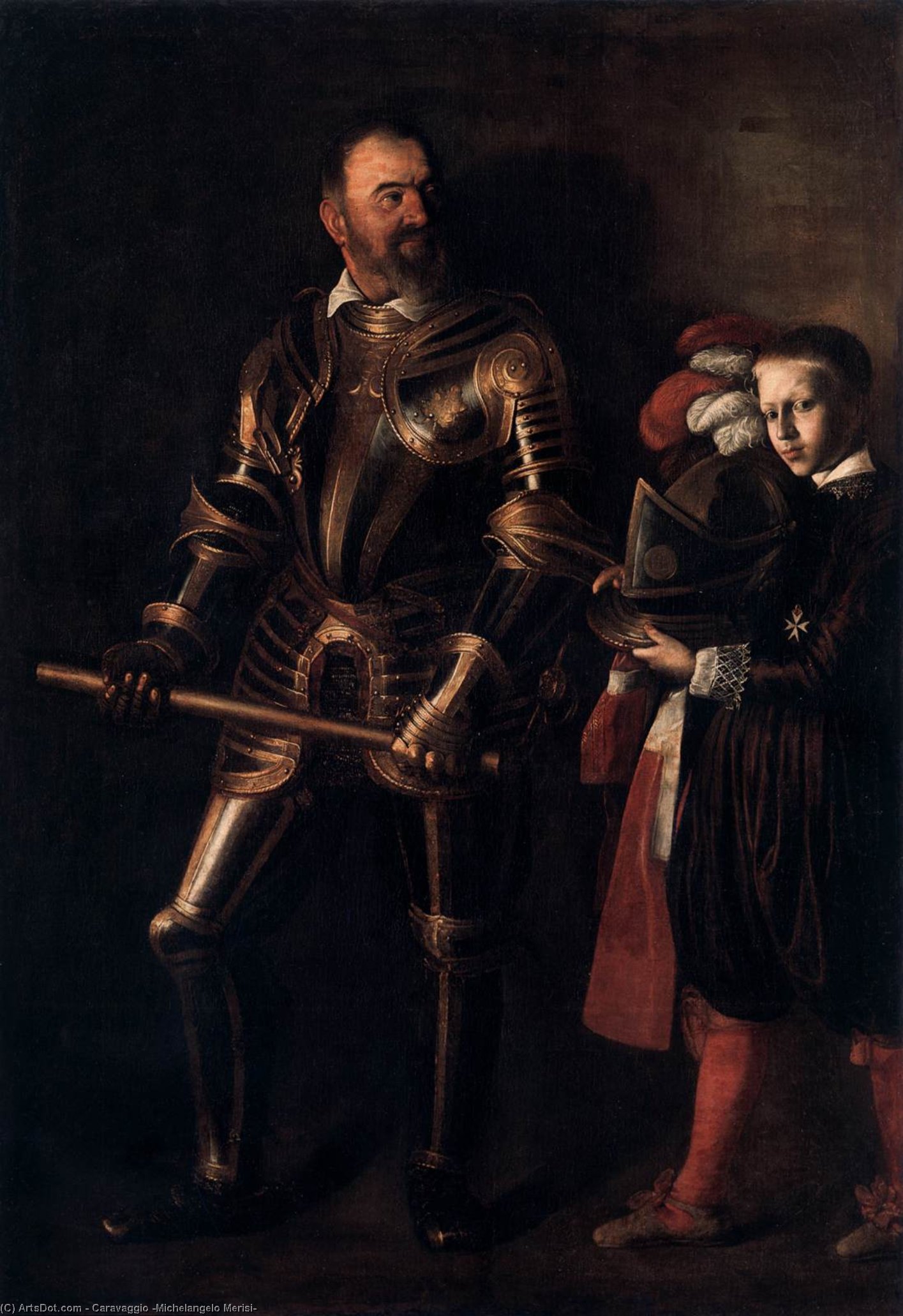
Portrait of Alof de Wignacourt
The
Portrait of Alof de Wignacourt, painted by the renowned Italian artist
Caravaggio (Michelangelo Merisi) in 1608, is a captivating oil on canvas masterpiece that showcases the artist’s exceptional skill and innovative style. This painting is currently housed at the
Musée du Louvre in Paris, France.
The Artistic Context
Caravaggio was known for his dramatic use of light and shadow, a technique referred to as
Tenebrism. This style, characterized by violent contrasts of light and dark, adds depth and drama to his works. The
Portrait of Alof de Wignacourt exemplifies this technique, with the subject's face illuminated against a darker background—a deliberate choice that forces the viewer’s gaze upward, emphasizing dignity and solemnity. It represents a pivotal moment in Baroque art, departing from Mannerist conventions and establishing a new aesthetic language.
The Subject: Alof de Wignacourt
Alof de Wignacourt was the Grand Master of the Order of the Knights of Saint John (the Knights of Malta) from 1601. He played a significant role in bolstering the Order’s prestige and its capital, Valletta—a testament to his leadership and strategic vision. The portrait depicts him in formal armor, holding his baton of command, symbolizing his military authority and unwavering resolve. This posture conveys not merely power but also responsibility for safeguarding Christendom's interests during turbulent times. Alongside him stands a young page, Nicholas de Paris Boissy, who would later ascend to Grand Prior of France—a subtle inclusion that speaks to the aspirations of noble families at the time and reinforces the painting’s aristocratic ambiance.
Composition and Symbolism
The composition is remarkably simple yet profoundly effective. Caravaggio eschews elaborate ornamentation, focusing instead on a direct confrontation between the viewer and the subject—a technique uncommon for portraits of his era. This immediacy creates an emotional connection with the audience, inviting contemplation about leadership, faith, and honor. The positioning of Wignacourt and Boissy is carefully considered, mirroring the hierarchical structure of the Order and highlighting the importance of mentorship and succession.
Artistic Innovations
Caravaggio’s groundbreaking approach to portraiture distinguishes him from his contemporaries. He abandons traditional depictions of regal grandeur, opting for a more psychologically realistic portrayal—a daring move that foreshadowed developments in later art history. By eliminating symbolic attributes and prioritizing naturalism, he elevates the human figure to center stage, capturing not just appearance but also inner character. This masterful manipulation of light and shadow—the very essence of tenebrism—transforms the portrait into a dramatic meditation on mortality and divine grace. It’s a legacy that continues to inspire artists today.
- Size: 194 x 134 cm
- Date: 1608
Legacy and Preservation
The
Portrait of Alof de Wignacourt has been part of the French royal collection since 1670 and is now a treasured possession of the
Musée du Louvre. Despite undergoing restoration in the 18th century, the painting retains its original power and beauty—a testament to Caravaggio’s enduring genius.
Conclusion: The
Portrait of Alof de Wignacourt stands as a cornerstone of Baroque art—a masterpiece that embodies Caravaggio’s unparalleled ability to convey emotion and intellect through masterful composition and luminous chiaroscuro. For those seeking inspiration or contemplating acquiring a stunning reproduction,
Caravaggio (Michelangelo Merisi): Portrait of Alof de Wignacourt and
Caravaggio (Michelangelo Merisi): Portrait of Alof de Wignacourt are available on ArtsDot.com.