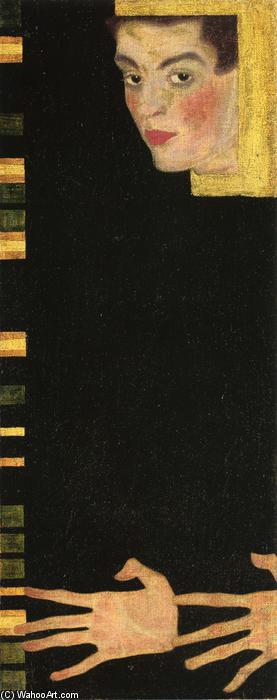
Self Portrait with Spread Fingers: An Exploration of Vulnerability and Expression
Egon Schiele’s “Self Portrait with Spread Fingers,” completed in 1909, stands as a cornerstone of Austrian Expressionism and a haunting testament to the artist's profound engagement with themes of mortality and psychological introspection. More than just a depiction of his own visage, this painting delves into the complexities of human emotion—a characteristic hallmark of Schiele’s oeuvre and a reflection of the turbulent artistic landscape of early 20th century Vienna.
- Historical Context: Schiele's work emerged during a period marked by intellectual ferment and anxieties surrounding societal change. The Leopold Museum in Vienna, where his extensive collection resides, served as an incubator for avant-garde ideas, mirroring the broader influence of Art Nouveau and Expressionism on European art.
- Stylistic Influences: Schiele skillfully blended elements of Art Nouveau’s flowing lines and organic forms with Expressionist techniques—bold brushstrokes, flattened perspectives, and a deliberate disregard for idealized beauty—creating a visual language that prioritized emotional intensity over realistic representation.
- Technical Details: Executed in oil on canvas, “Self Portrait” showcases Schiele's mastery of traditional painting methods. The meticulous rendering of his face and hands reveals an unwavering attention to detail, capturing subtle nuances of expression that convey a palpable sense of vulnerability.
Symbolism and Emotional Impact: The pose itself—the artist’s hands spread wide apart—is laden with symbolic significance. It speaks to openness, exposure, and perhaps even defiance against societal pressures. Schiele's gaze directed off-camera invites contemplation and encourages the viewer to consider the unspoken anxieties that permeate the image. The painting’s vibrant colors contribute to its emotional resonance, amplifying the feeling of unease and conveying a deeply personal exploration of psychological states.
Legacy and Relevance: “Self Portrait with Spread Fingers” continues to captivate audiences today due to its unflinching honesty and its enduring relevance as an emblem of Expressionist art. Schiele’s innovative approach to portraiture—his willingness to confront uncomfortable truths about the human condition—has profoundly influenced subsequent generations of artists, cementing his place among the most influential figures in modern art history.
For those seeking a deeper understanding of Schiele's artistic vision and desiring access to exceptional reproductions, ArtsDot offers a curated selection of high-quality prints of “Self Portrait with Spread Fingers.” Furthermore, exploring the Leopold Museum’s collection provides invaluable insight into the broader context of Austrian Expressionism.