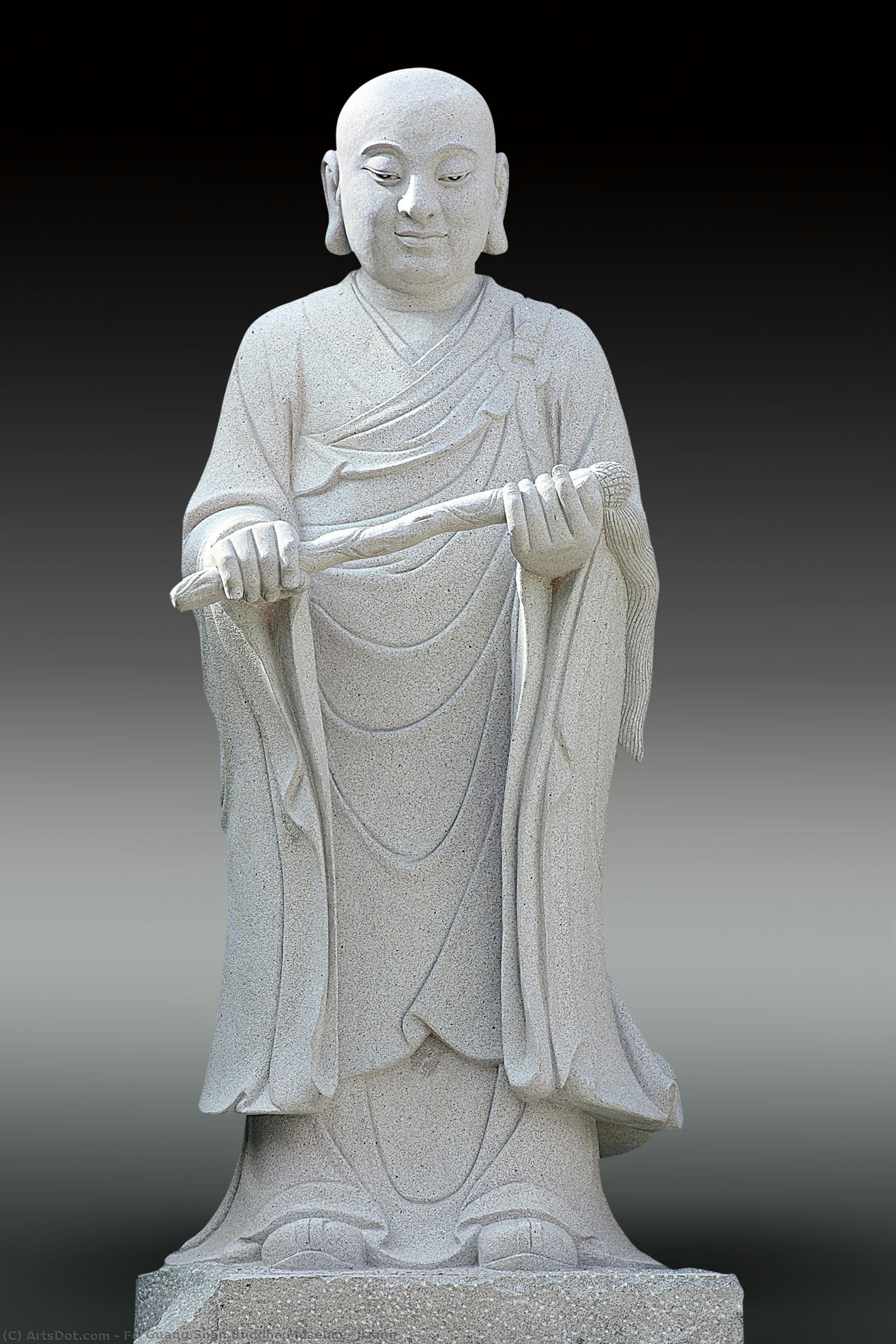
This JSON provides comprehensive information about Jizang, a pivotal figure in East Asian Buddhism. It details his biography, philosophical contributions (particularly the Four Levels of Discourse), and artistic representation – notably the stone statue at Fo Guang Shan Buddha Museum – highlighting its significance within Buddhist art history.
Jizang: A Stone Testament to Buddhist Wisdom
The Fo Guang Shan Buddha Museum proudly presents “Jizang,” a monumental stone statue depicting the revered patriarch who revitalized the Three Treatise School, embodying centuries of Buddhist philosophy and artistic tradition. Located in Dashun District, Kaohsiung, Taiwan, this sculpture transcends mere representation; it’s an invitation to contemplate profound spiritual concepts within a meticulously crafted visual experience.
- Historical Context: Jizang (549–623 CE) emerged during the tumultuous Sui Dynasty, marking a pivotal moment in Buddhist history as he championed the Madhyamaka philosophy—a radical approach emphasizing emptiness and liberation from attachment. His influence extended far beyond his lifetime, shaping subsequent Buddhist thought and artistic expression across East Asia.
- Sculptural Style: The statue exemplifies classical Chinese sculptural aesthetics, prioritizing balance, serenity, and idealized form. Its deliberate frontal pose conveys dignity and contemplation, reflecting the core values of Buddhist practice—humility and unwavering devotion.
- Technique: Crafted from meticulously honed granite stone, “Jizang” showcases exceptional craftsmanship. The sculptor skillfully employed techniques to capture subtle nuances in facial expression and drapery folds, achieving remarkable textural detail that speaks volumes about artistic dedication.
- Composition & Symbolism: Symmetry dominates the composition, mirroring the Buddhist concept of equilibrium—a cornerstone of Madhyamaka thought. The statue’s posture embodies stillness and mindfulness, while its robes symbolize purity and spiritual aspiration. The pedestal elevates it visually, signifying reverence for enlightenment.
- Color Palette & Lighting: The statue's muted grey-white hue reflects the stone material itself—a deliberate choice that evokes timelessness and solidity. Diffused lighting enhances contours without harsh contrasts, fostering a contemplative atmosphere conducive to reflection on Buddhist principles.
Detailed Analysis of Artistic Elements
The statue’s flowing drapery lines contrast sharply with the rigid lines defining Jizang's facial features and pedestal—a masterful juxtaposition that underscores the tension between worldly concerns and spiritual liberation. Vertical lines dominate the posture, conveying stability and grounding, while horizontal lines contribute to a sense of serenity and balance. The sculptor skillfully utilized these elements to communicate profound philosophical ideas through visual form.
Museum Presentation & Significance
Displayed prominently within the Fo Guang Shan Buddha Museum’s Avalokiteśvara Shrine, “Jizang” serves as a focal point for contemplation—a testament to Venerable Master Hsing Yun's vision of fostering spiritual understanding and artistic appreciation. Its presence inspires visitors to engage with Buddhist teachings on a visceral level, prompting reflection on themes of compassion, wisdom, and the pursuit of enlightenment. The statue’s enduring beauty underscores the timeless relevance of Madhyamaka philosophy—a beacon of intellectual rigor and ethical integrity within the broader context of East Asian cultural heritage.
Concluding Remarks
“Jizang” is more than just a sculpture; it's an embodiment of Buddhist ideals—a tangible reminder of the transformative power of contemplation and the pursuit of spiritual excellence. Its meticulous craftsmanship, symbolic composition, and serene aesthetic invite viewers to immerse themselves in the profound wisdom of Jizang’s legacy—a treasure trove for art lovers, collectors, and anyone seeking inspiration from one of Buddhism's most influential figures.