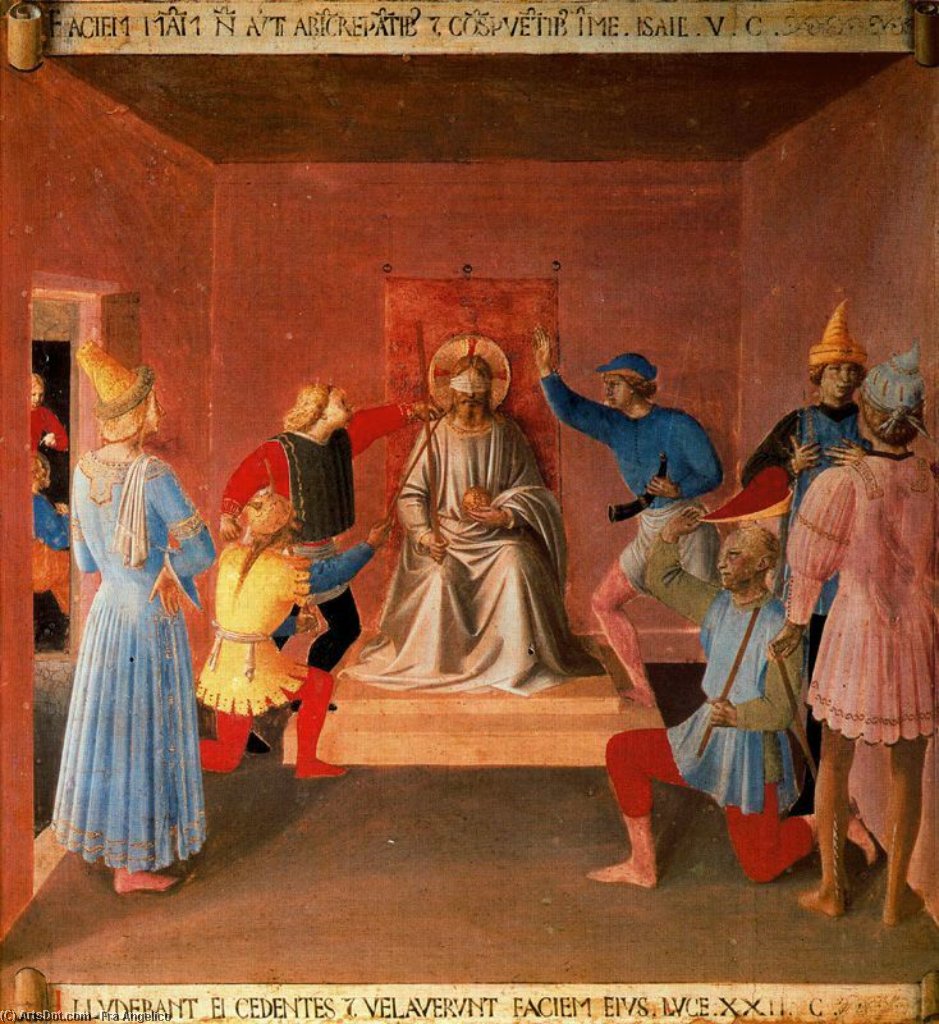
El Escarnio de Jesucristo: Una Reflexión Renacentista Sobre el Dolor
Fra Angelico’s “El Escarnio de Jesucristo,” or The Scourging of Jesus, stands as a poignant emblem of the Early Renaissance artistic spirit—a testament to serene beauty interwoven with profound spiritual contemplation. Created in 1436 for the Convent of San Marco in Florence, this fresco transcends mere depiction; it embodies an ethos of humility and devotion that continues to resonate centuries later. Its enduring appeal lies not only in its masterful execution but also in its ability to convey a complex narrative of faith and human vulnerability.
- Historical Context: The painting emerged during a period marked by intellectual ferment—the Quattrocento—fueled by renewed interest in classical antiquity and humanist ideals. Cosimo de’ Medici commissioned the fresco as part of a comprehensive renovation project for the convent, aiming to elevate its spiritual atmosphere and solidify its prestige within Florence’s cultural landscape.
- Composition & Technique: Fra Angelico employed the traditional technique of fresco painting—applying pigment directly onto wet plaster—resulting in an astonishingly durable surface that retains remarkable vibrancy. The scene unfolds with meticulous detail, capturing Jesus being brutally scourged by Roman soldiers before a simple red wall adorned with a window. This deliberate choice of architectural element serves to heighten the drama and emphasize the vulnerability of Christ amidst divine judgment.
- Symbolism: Beyond its literal portrayal of suffering, “El Escarnio” is laden with symbolic significance. The red wall represents Hell—the realm of torment—while the window symbolizes God’s compassion and mercy, offering a glimmer of hope amidst despair. The figures themselves are rendered with understated elegance, reflecting the monastic ethos of simplicity and contemplation.
- Stylistic Influence: Angelico's style is unmistakably rooted in the Quattrocento movement, inheriting the influence of artists like Piero della Francesca and Masaccio. He skillfully utilized linear perspective to create a convincing illusion of depth, mirroring the humanist preoccupation with realism and observation.
The fresco depicts Jesus being subjected to the agonizing ritual of scourging by Roman soldiers before a stark red wall bearing an arched window. This architectural element isn’t merely decorative; it serves as a powerful visual device, emphasizing Christ's exposed vulnerability against the backdrop of divine judgment and subtly referencing biblical imagery.
The artist’s masterful use of fresco technique—a painstaking process involving layering pigment onto wet plaster—ensures that “El Escarnio” retains an astonishing level of color fidelity and textural richness, preserving its beauty for generations to come. The subdued palette—dominated by earthy tones—contrasts dramatically with the luminous window, creating a compelling interplay of light and shadow that draws the viewer’s eye into the heart of the scene.
More than just an artistic representation, “El Escarnio” embodies profound spiritual contemplation. It speaks to themes of suffering, humility, and divine mercy—values central to monastic life and deeply resonant with humanist ideals. The serene expressions of Jesus and Saint Dominic convey a sense of inner peace amidst external torment, inviting viewers to reflect on the significance of faith and compassion.
A remarkable piece of Renaissance art, “El Escarnio de Jesucristo” continues to inspire admiration for its technical brilliance and emotive power. Its enduring legacy resides in its ability to capture the essence of human experience—the confrontation with pain and despair—while simultaneously affirming the promise of divine grace.