A Portrait of Disillusionment: Unveiling Francis Picabia’s “Figure Triste”
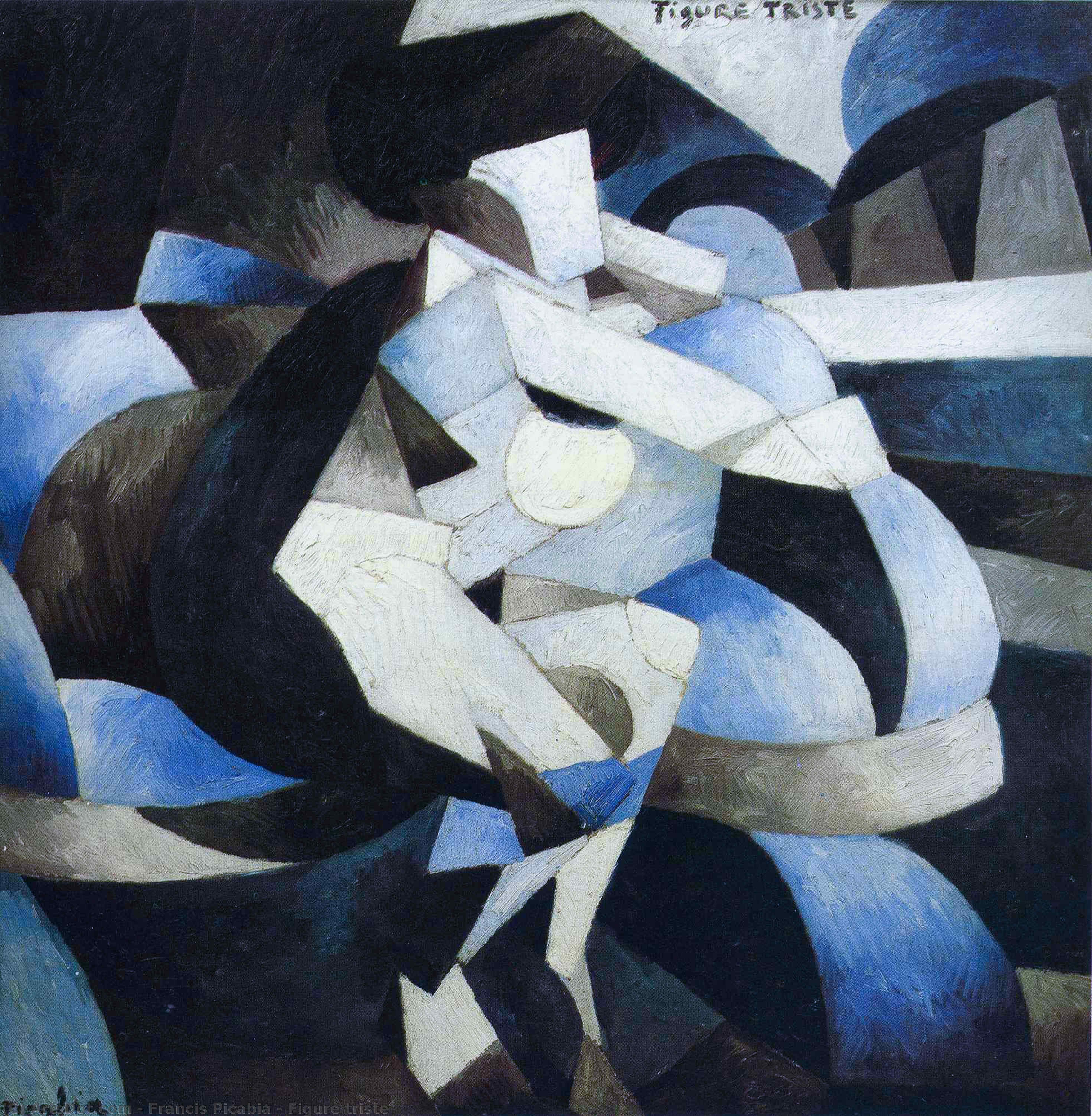
- Francis Picabia's "Figure Triste" isn't merely a painting; it’s a visceral echo of the anxieties and upheavals that defined the dawn of the 20th century. Emerging from the turbulent aftermath of World War I, this black-and-white oil on canvas embodies the core tenets of Dadaism – a deliberate rejection of logic, reason, and the established artistic conventions that Picabia so vehemently opposed. Painted in 1917, during his intense engagement with the movement, the artwork speaks to a profound sense of loss and uncertainty, a feeling acutely felt across Europe at the time.
- The composition itself is deliberately unsettling. A central figure, rendered in stark monochrome, extends their arms outwards in a gesture that simultaneously conveys both supplication and despair. The hat they wear – a detail that adds to the painting’s enigmatic quality – suggests a lost identity, a displaced individual adrift within a chaotic world. Smaller figures populate the background, blurred and indistinct, further emphasizing the isolation of the central subject and hinting at the fragmented nature of reality as perceived by Dada artists.
Decoding the Language of Form: Technique and Style
Cubist Roots, Dadaist Rebellion: “Figure Triste” reveals Picabia’s deep engagement with Cubism, particularly its exploration of multiple perspectives and fractured forms. However, unlike the more optimistic and constructive explorations of Cubists like Braque and Picasso, Picabia pushes this experimentation to a point of almost unbearable tension. The bold lines and geometric shapes aren't used to build harmonious compositions; instead, they create a sense of dynamism and instability, mirroring the emotional turmoil at the heart of the work. The deliberate use of negative space amplifies this feeling, drawing attention to the emptiness and void within the figure’s posture.
Monochromatic Drama: The restricted palette – solely black, white, and a striking green background – intensifies the painting's emotional impact. Green, often associated with melancholy and decay, provides a jarring contrast to the monochrome subject, heightening the sense of sadness and disillusionment. Picabia’s masterful control over tonal values creates dramatic lighting effects, further emphasizing the figure’s isolation and vulnerability. The technique employed is characterized by rapid brushstrokes and a deliberate lack of blending, contributing to the painting's raw and unsettling energy.
A Historical Context: Dadaism and the Dawn of Modernity
Born from the ashes of war, “Figure Triste” was created during the height of the Dada movement, a reaction against the perceived horrors and irrationalities of World War I. Dada artists sought to dismantle traditional artistic values and challenge societal norms through absurdity, chance, and anti-art practices. Picabia’s work exemplifies this approach, rejecting any attempt at representational accuracy or emotional sentimentality. His association with figures like Albert Gleizes, a key proponent of Cubism, demonstrates the interconnectedness of these avant-garde movements – all striving to redefine art's purpose in a rapidly changing world. The painting reflects the broader intellectual and artistic climate of the time, marked by skepticism, nihilism, and a profound questioning of established beliefs.
Symbolic Resonance and Lasting Impact
- Melancholy and Isolation: The central figure’s posture and expression powerfully convey feelings of sadness, loneliness, and disillusionment – emotions that resonated deeply with the experiences of many during and after World War I.
- A Precursor to Abstraction: “Figure Triste” foreshadows the development of abstract art movements by challenging traditional notions of representation and exploring the formal qualities of shape, line, and space.
- Picabia’s Legacy: This painting remains a pivotal work in Francis Picabia's oeuvre and a significant example of Dadaist art, demonstrating his commitment to artistic innovation and his willingness to confront uncomfortable truths about the human condition.