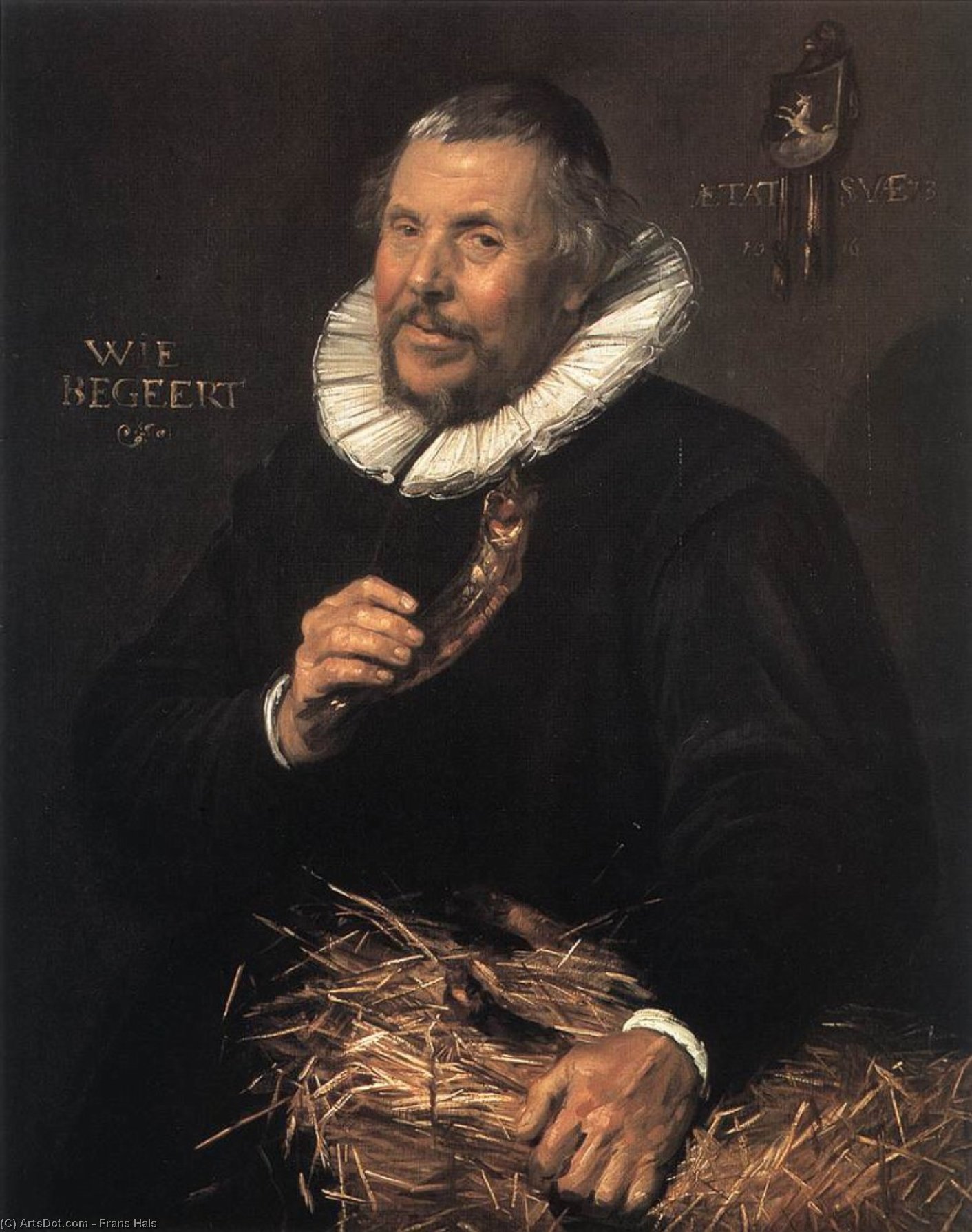
A captivating portrait by Frans Hals of Pieter Cornelisz van der Morsch (1616). Explore the details, symbolism & artistry of this iconic Dutch Golden Age masterpiece.
Explora a Frans Hals I: Maestro de la Edad Dorada Holandesa de la pintura de retratos y escenas de género. Conocido por su pincelada suelta y por capturar la personalidad. #FransHals #ArteHolandés
Descubre el Museo Carnegie de Arte en Pittsburgh! Explora colecciones diversas desde obras maestras contemporáneas hasta piezas históricas, incluyendo impresiones japonesas *ukiyo-e* y fotografía por Teenie Harris. Hogar del reconocido Carnegie Internacional.
Museo Carnegie Arte Pittsburgh, Museos Pittsburgh, Colección de arte fina, Impresiones japonesas *ukiyo-e*, Winslow Homer El Naufragio, Jam
Pieter Cornelisz van der Morsch: A Glimpse of Dutch Golden Age Dignity
Frans Hals’s “Pieter Cornelisz van der Morsch,” painted in 1616, isn't merely a portrait; it’s a carefully constructed tableau of status, wit, and the quiet contemplation characteristic of the Dutch Golden Age. The painting immediately draws the eye to its subject – an elderly gentleman radiating an understated authority, his face etched with the wisdom of years spent navigating the complexities of 17th-century Leiden. He sits in repose, a half-smoked pipe nestled between his fingers, suggesting a moment of respite from the demands of his life, yet projecting an air of dignified self-assurance. This isn’t a flamboyant display of wealth or power; rather, it's a portrait that subtly reveals character through gesture and expression.
Composition and Technique: A Masterclass in Baroque Realism
Hals’s masterful technique is immediately apparent. The painting exemplifies the Baroque style, characterized by dramatic lighting – a strong light source illuminating the subject’s face from the left, casting deep shadows that accentuate his features and create a sense of three-dimensionality. This chiaroscuro effect isn't merely decorative; it serves to draw attention to the man’s face, imbuing him with presence and gravitas. The brushwork is remarkably loose and expressive, a hallmark of Hals’s style – he prioritized capturing the essence of his subjects over meticulous detail. Notice how the folds of his clothing are rendered with quick, confident strokes, conveying texture without overwhelming the overall composition. The use of glazes contributes to the richness and depth of color, particularly in the subtle variations of skin tone and the velvet of his garment. The background, a dark green panel, provides a grounding contrast to the figure’s lighter tones, further emphasizing his importance within the scene.
Symbolism and Context: Beyond the Surface
The seemingly simple portrait is layered with symbolic meaning rooted in the social and cultural context of 17th-century Leiden. The coat of arms displayed prominently on the wall – a detail often overlooked – identifies van der Morsch as a prominent figure, likely a wealthy merchant or official. Crucially, the inclusion of a bundle of straw or reeds at the base of the painting is not accidental. It’s a clever visual pun referencing van der Morsch's profession: he was a Leiden municipal court messenger, often tasked with delivering documents – and occasionally, smoked herring – to various parts of the city. The phrase “WIE BEEGERT?” (Who Desires?) inscribed on the wall is a direct reference to this role, playfully suggesting that he’s offering a sharp rebuke alongside his delivery service. The small monkey's head holding up his coat of arms adds another layer of wit and allusion, hinting at his quick mind and satirical nature.
Emotional Resonance: A Portrait of Quiet Strength
Ultimately, “Pieter Cornelisz van der Morsch” transcends a simple likeness to become a poignant meditation on age, wisdom, and the dignity of experience. The subject’s relaxed posture, coupled with his thoughtful gaze, conveys a sense of inner peace and contentment. The clocks in the background – a recurring motif in Hals's work – subtly remind us of the passage of time, prompting reflection on life’s journey. While the painting doesn’t shout for attention, it quietly communicates an enduring message: that true strength lies not in outward displays of power but in the quiet acceptance of one’s place within the world. It is a portrait that invites contemplation and leaves a lasting impression long after viewing.