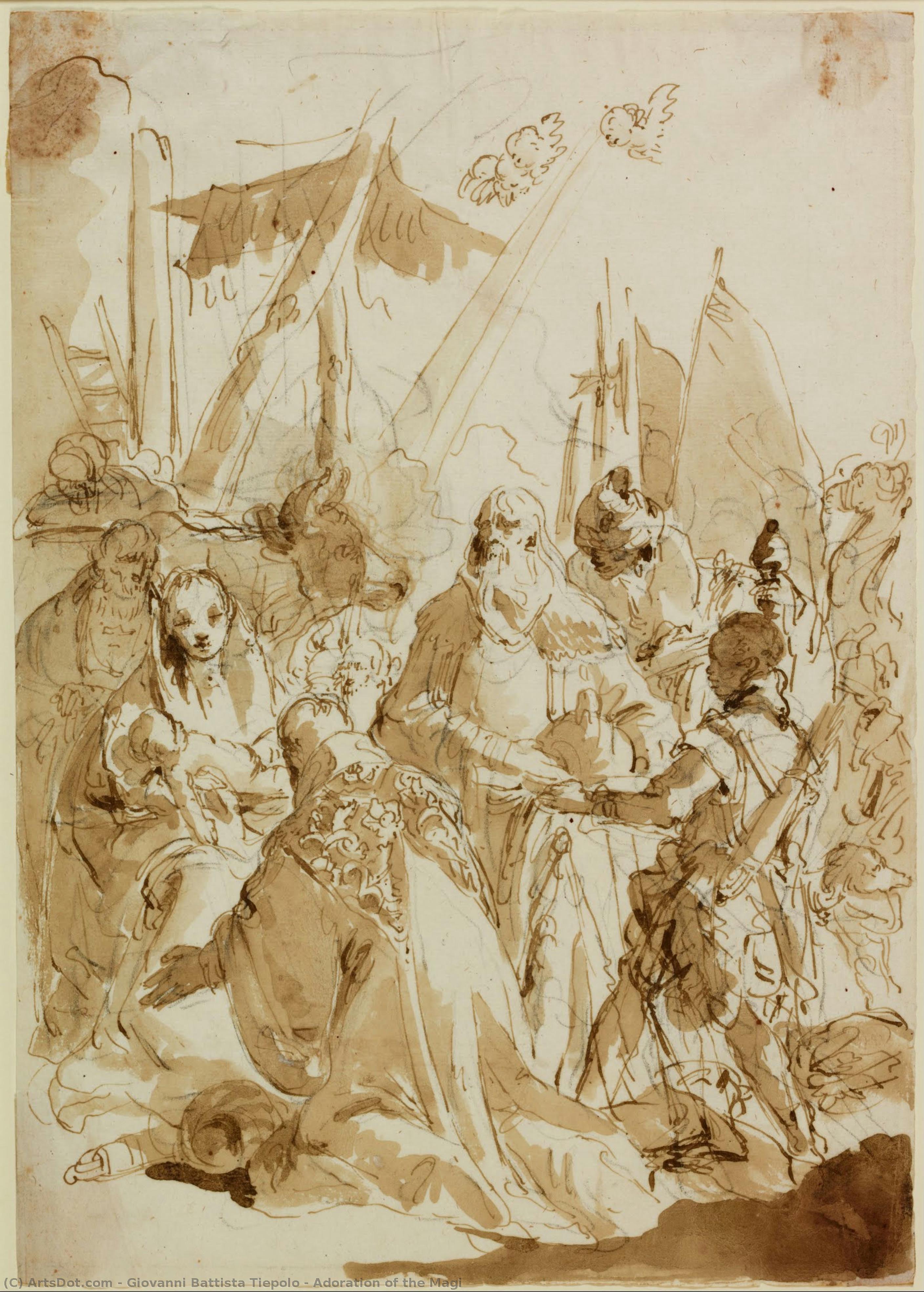
Experimente el maestro estilo Rococó de Tiepolo en esta dramática representación de los Magos ante Cristo: un fresco impresionante que muestra la luz veneciana y su grandeza artística. Explore una obra maestra eterna.
Descubre Giambattista Tiepolo: Maestro de frescos barrocos y pinturas! Explora sus escenas dramáticas, colores vibrantes y legado en Venecia y más allá.
¡Explore arte de clase mundial en el Cantor Arts Center, Universidad de Stanford! Esculturas de Rodin, colecciones diversas y exposiciones fascinantes le esperan. Una joya cultural con entrada gratuita para todos.
A Symphony of Light and Faith: Exploring Tiepolo’s “Adoration of the Magi”
Giovanni Battista Tiepolo's "Adoration of the Magi" transcends mere depiction; it embodies the very spirit of Rococo, transporting viewers into a realm where opulent grandeur intertwines with profound spiritual contemplation. Painted in 1700, this monumental fresco resides within the Chiesa di San Giorgio Maggiore in Venice—a testament to Tiepolo’s ambition and his ability to elevate sacred spaces into unforgettable artistic achievements. The drawing meticulously captures the essence of Tiepolo's original vision, preserving its luminous palette and dynamic composition.
The Subject Matter: A Biblical Narrative Illuminated
At its core lies a retelling of the biblical story recounted in Matthew 2:1-12—the Magi’s pilgrimage to Bethlehem to venerate Jesus Christ as newborn King. Tiepolo skillfully portrays this pivotal moment with meticulous detail, presenting a tableau populated by figures representing royalty, nobility, and devout worshippers. The central figure is undoubtedly Mary, cradling the infant Jesus amidst an array of richly dressed dignitaries – kings, bishops, and scholars—each gazing upon the divine child with expressions of reverence and awe.
Rococo Style: Delicate Ornamentation and Illusionistic Depth
The fresco exemplifies the hallmarks of Rococo art, characterized by its emphasis on elegance, grace, and playful asymmetry. Tiepolo’s masterful use of color—primarily golds, reds, blues, and whites—creates a dazzling spectacle that mimics the effects of candlelight, enhancing the illusion of depth and creating an atmosphere of ethereal beauty. Delicate ornamentation adorns the architectural setting, mirroring the ornate interiors favored during this period. The artist employs techniques such as sfumato—a subtle blending of tones—to soften contours and imbue the figures with a palpable sense of warmth and luminosity.
Technique: Fresco Painting – A Legacy of Venetian Tradition
Tiepolo’s technique is rooted in centuries-old Venetian tradition, specifically fresco painting. This method involves applying pigment onto wet plaster, resulting in durable artwork that resists fading and retains its vibrancy over time. The painstaking process demanded immense patience and precision from Tiepolo's assistants, ensuring the flawless execution of his ambitious vision. The layering of translucent glazes—a hallmark of Tiepolo’s style—further amplifies the brilliance of color and contributes to the fresco’s captivating visual impact.
Symbolism: Representing Royalty, Faith, and Divine Glory
Beyond its aesthetic splendor, “Adoration of the Magi” resonates with profound symbolic significance. The Magi represent kingship and wisdom, symbolizing the universality of Christ's reign over all nations. Mary embodies humility and piety—the Virgin Mother’s unwavering devotion underscores the sanctity of the occasion. The radiant light emanating from the heavens signifies divine grace and illuminates the scene, reinforcing the overarching theme of spiritual enlightenment.
Emotional Impact: Capturing Wonder and Reverence
Ultimately, Tiepolo's masterpiece evokes a powerful emotional response in viewers—a feeling of wonder and reverence for the majesty of God and the sanctity of faith. The composition’s dynamism captures the palpable excitement surrounding the Magi’s arrival at Bethlehem, conveying the profound joy and spiritual fervor experienced by those present. Reproductions of “Adoration of the Magi” continue to inspire admiration for Tiepolo's artistic genius and his ability to transform a biblical narrative into an enduring symbol of beauty and spirituality.