Introduction to the Painting and its Artist
Giotto Di Bondone (1267 – 1337), born in Florence, Italy, stands as a pivotal figure in bridging the gap between Byzantine art’s stylized conventions and the burgeoning naturalism of the Renaissance. Often hailed as the father of Italian painting, Giotto revolutionized artistic expression by prioritizing emotional depth and realistic depiction—a decisive break from the rigid formalism prevalent in his era.
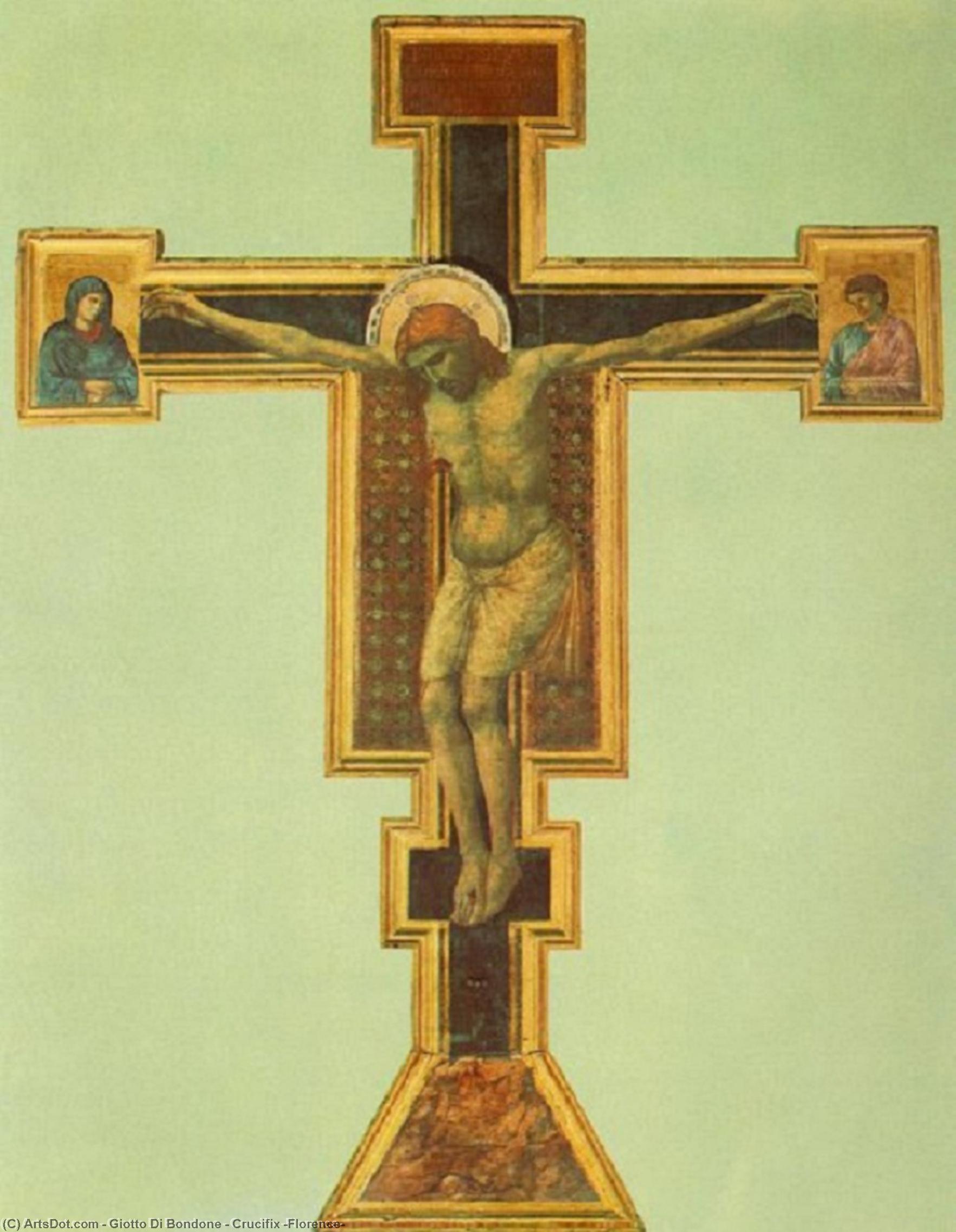
His magnum opus, Crucifix (Florence), created around 1280 for the Church of Santa Maria Novella, exemplifies this transformative approach. Commissioned during the Gothic period—a reaction against Romanesque rigidity—the painting embodies the stylistic hallmarks of its time: an emphasis on naturalism alongside opulent decorative elements.
Historical Context and Art Movement
The Crucifix (Florence) operates within the broader Gothic movement, which flourished across Europe from the 12th to the 15th centuries. Artists sought to capture divine beauty and spiritual contemplation through heightened realism—a conscious departure from Byzantine art’s flattened figures and symbolic backgrounds.
Crucially, Giotto pioneered techniques like linear perspective and chiaroscuro (the use of light and shadow), innovations that dramatically enhanced the illusion of depth and conveyed psychological nuance. These advancements weren't merely stylistic flourishes; they fundamentally altered how artists represented the human experience.
Description of the Painting
This monumental tempera painting on wood depicts Christ crucified, surrounded by Mary Magdalene, St. John the Evangelist, and two angels. Giotto’s masterful execution captures the agony of crucifixion with startling realism—the twisted torso, contorted limbs—reflecting a profound understanding of human suffering.
The background is adorned with shimmering gold leaf, contributing to an ethereal atmosphere that elevates the image beyond mere representation into a realm of spiritual transcendence. Giotto’s meticulous attention to detail and expressive use of color underscore his artistic genius.
Interpretation and Significance
More than just a depiction of religious iconography, Cruifix (Florence) embodies Giotto’s humanist vision—a belief in the dignity and complexity of human emotion. The figure of Christ conveys palpable pathos and vulnerability, inviting viewers to contemplate themes of sacrifice, compassion, and redemption.
The painting's harmonious composition and masterful use of light and shadow reinforce its spiritual impact, establishing it as a cornerstone of Gothic art and a precursor to the Renaissance’s artistic breakthroughs. Giotto’s legacy continues to inspire artists today.
Availability of Reproductions
If you aspire to experience the beauty and grandeur of this masterpiece firsthand, ArtsDot.com offers exquisite handmade oil paintings that faithfully reproduce Giotto’s original work. Skilled artisans employ traditional techniques—brushstroke by brushstroke—to ensure unparalleled accuracy and vibrancy.
Whether you're a seasoned collector or seeking to infuse your home décor with timeless elegance, ArtsDot.com reproductions provide an exceptional opportunity to connect with the artistic heritage of Florence and Giotto Di Bondone’s enduring contribution to Western art history.