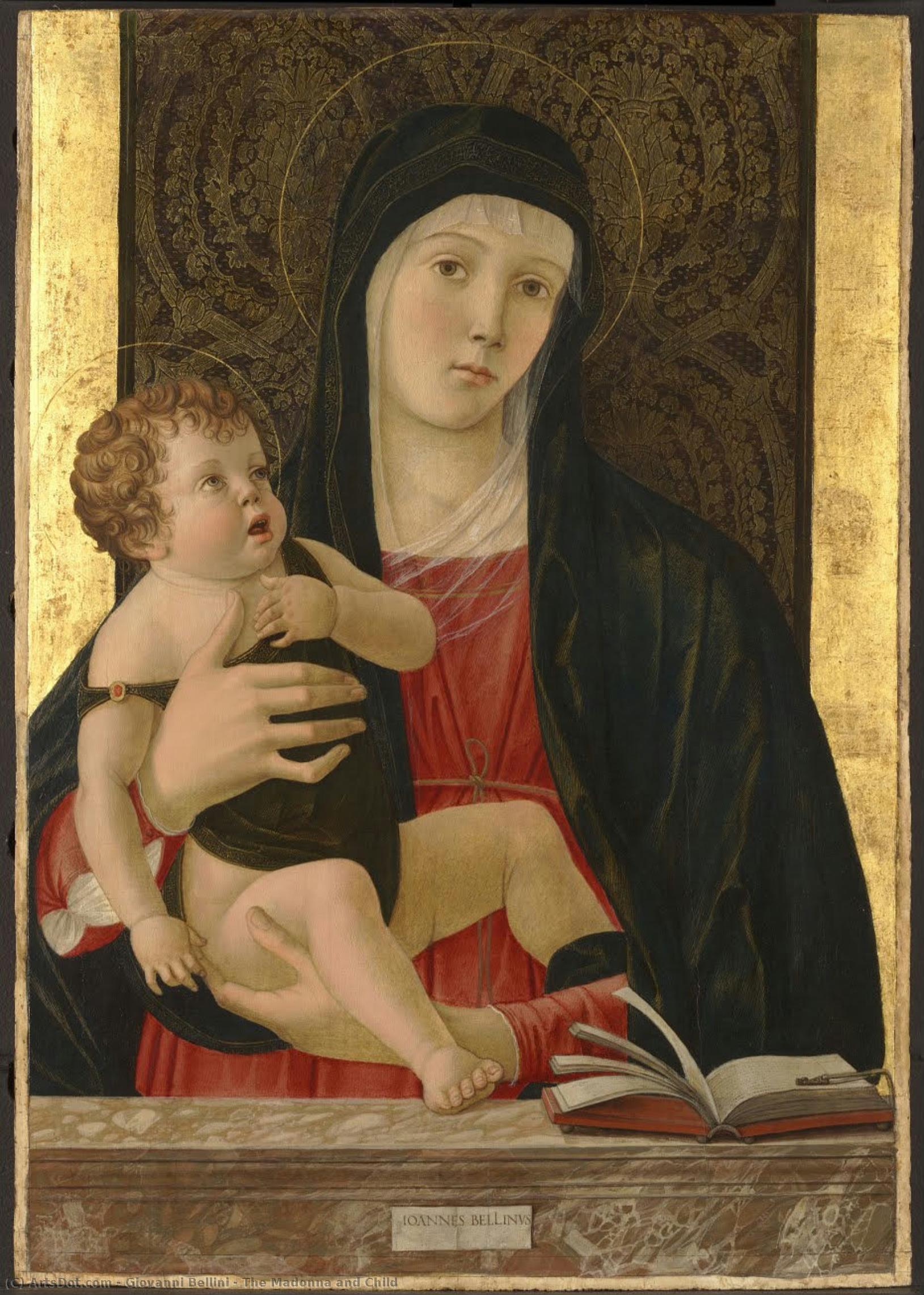
Experience Bellini's luminous Madonna and Child, a masterpiece of Venetian Renaissance chiaroscuro; discover divine grace from this iconic work.
Descubre a Giovanni Bellini (1433-1516), maestro del Renacimiento veneciano. Sus obras, llenas de color y luz, influyeron en Giorgione y Tiziano.
Descubre el Museo Kimbell: arquitectura icónica, obras maestras europeas y una experiencia artística inolvidable en Fort Worth. Un templo del arte para el alma.
Giovanni Bellini’s Madonna and Child: A Venetian Icon of Faith
Giovanni Bellini's "Madonna and Child," painted around 1460, stands as an enduring testament to the artistic fervor of Venice during its Renaissance zenith. More than just a depiction of Mary cradling her son Jesus, it embodies profound theological symbolism and masterful execution—elements that continue to captivate audiences centuries later. Produced in Bellini’s workshop, this half-length portrait exemplifies the Venetian tradition's preoccupation with idealized beauty and spiritual contemplation.
Style and Technique: Mastering Chiaroscuro
Bellini’s technique is characterized by a remarkable command of *chiaroscuro*, the dramatic interplay between light and shadow—a hallmark of Renaissance painting that elevates the image beyond mere representation. He achieves this luminous effect through meticulous layering of thin glazes, allowing subtle gradations of color to emerge from beneath the surface. This painstaking process imbues the Madonna’s figure with an ethereal glow, highlighting her serene countenance and conveying a sense of divine grace. The artist skillfully renders textures—the velvety folds of Mary's robe, the smooth marble parapet—creating a palpable illusion of depth and realism.
Historical Context: Venice at the Crossroads
Venice in the mid-15th century was experiencing an unprecedented period of artistic innovation, fueled by burgeoning trade routes and papal patronage. Bellini’s work reflects this cultural dynamism, drawing inspiration from Byzantine iconographic conventions while simultaneously embracing humanist ideals championed by artists like Leonardo da Vinci. The parapet upon which Mary stands is deliberately reminiscent of both Christ's tomb—a symbol of sacrifice and resurrection—and the altar where Eucharistic communion is celebrated, underscoring the central theological message of the painting: Mary’s unwavering devotion embodies the promise of salvation.
Symbolism: Layers of Meaning
The composition overflows with symbolic significance. The pomegranate brocaded on the cloth of honor represents the Resurrection – a visual allusion to Christ's triumphant return and the renewal of life after death. Bellini’s deliberate inclusion of the cartellino bearing his name serves as an affirmation of artistic identity and personal piety, reflecting the artist’s deep faith. Furthermore, Mary’s gaze directs towards the viewer—a gesture intended to engage the worshiper emotionally and invite contemplation on the divine mystery. The careful preservation of Christ Child's head and book reinforces the image's spiritual core, symbolizing innocence and knowledge – elements crucial to Christian theology.
Emotional Impact: Serenity and Devotion
Ultimately, “Madonna and Child” transcends mere visual beauty; it evokes a profound sense of serenity and devotion. Bellini’s portrayal captures the essence of maternal tenderness—Mary’s gentle expression conveying acceptance and unwavering faith in God's plan. The painting speaks to viewers across time periods, reminding us of the enduring power of art to inspire contemplation on matters of faith and spirituality. Its timeless appeal ensures that Giovanni Bellini’s masterpiece continues to resonate with audiences worldwide.