A Visionary Encounter: Exploring Gustave Moreau’s Apollon et Marsyas
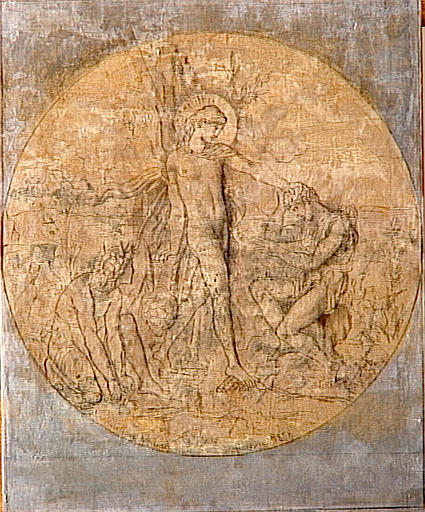
Moreau's *Apollon et Marsyas*, completed in 1894, stands as a cornerstone of Symbolist art—a testament to his unwavering commitment to conveying profound psychological and spiritual truths rather than merely depicting the visible world. The painting depicts a dramatic confrontation between Apollo, god of reason and harmony, and Marsyas, a satyr punished for daring to challenge divine authority. This narrative isn’t simply recounted; it's transformed into an opulent visual tapestry woven with intricate detail and imbued with layers of symbolic meaning.
- Subject Matter & Narrative: The central figures embody opposing forces—Apollo representing intellect and order, Marsyas embodying instinct and rebellion. Moreau skillfully captures the tension between these archetypal characters, portraying them locked in a struggle for dominance. The biblical allusion to David slaying Goliath underscores the broader theme of overcoming obstacles through faith and courage.
- Style & Technique: Moreau’s distinctive style is characterized by its dreamlike atmosphere and meticulous ornamentation. He employs tempera on canvas—a technique favored by Byzantine artists—resulting in a luminous surface that captures subtle tonal variations. The artist meticulously builds up color gradations, creating an illusion of depth and enhancing the painting's ethereal quality.
- Color Palette: Moreau’s palette leans heavily towards muted golds, blues, and reds—colors traditionally associated with royalty, divinity, and spiritual contemplation. These hues contribute to the painting’s solemn grandeur and evoke a sense of timelessness.
- Composition & Ornamentation: The oval frame surrounding the scene amplifies its symbolic significance, suggesting eternity and enclosing the narrative within a sacred space. Elaborate floral garlands and architectural elements adorn the composition, mirroring the decorative traditions of Byzantine art and emphasizing the painting’s opulent aesthetic.
- Historical Context: Moreau's work emerged during a period of intellectual ferment in Paris—the Symbolist movement sought to escape the limitations of realism and Impressionism by delving into the realm of imagination and emotion. Influenced by Nietzsche’s philosophy and Wagnerian opera, Moreau aimed to express inner states and spiritual anxieties through symbolic imagery.
- Emotional Impact: *Apollon et Marsyas* resonates with viewers on a visceral level—its haunting beauty and dramatic tension convey a sense of unease alongside reverence. The painting invites contemplation about the confrontation between reason and instinct, faith and doubt, ultimately prompting reflection on humanity’s relationship to divine authority.
Moreau's masterful execution elevates *Apollon et Marsyas* beyond mere representation; it becomes an embodiment of Symbolist ideals—a captivating exploration of mythic narratives and psychological complexities. Reproductions offer a remarkable opportunity to experience this artistic vision firsthand, bringing Moreau’s evocative imagery into any interior space and fostering appreciation for the enduring power of art to inspire contemplation and provoke emotion.