A Vision of Myth and Desire: Exploring Gustave Moreau’s Ariane et Thésée
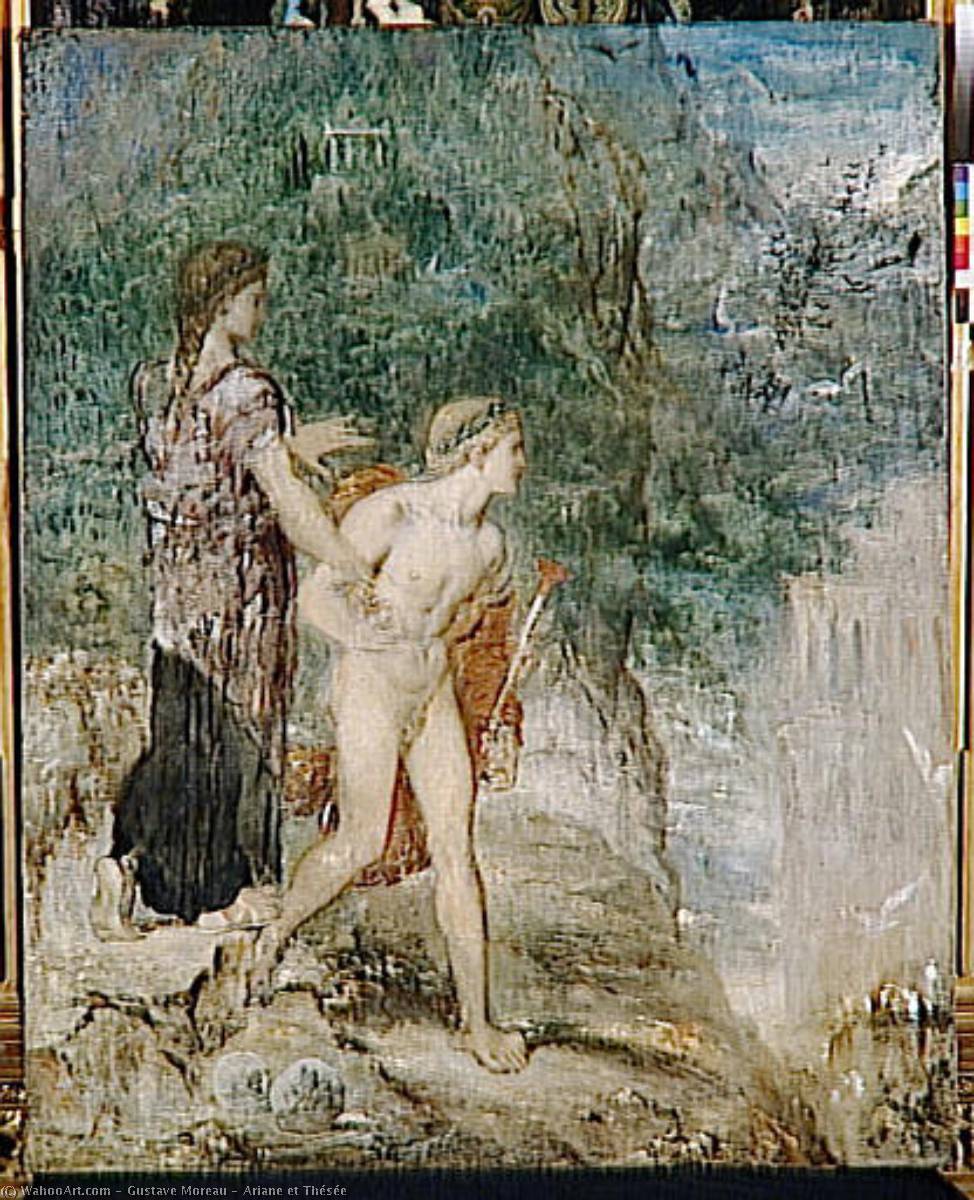
Moreau's "Ariane et Thésée" isn’t merely a depiction of Greek mythology; it’s an immersive experience into the artist’s meticulously crafted dreamscape. Painted around 1889, this monumental canvas embodies the core tenets of Symbolism—a movement that rejected literal representation in favor of conveying emotion and psychological states through suggestive imagery and evocative color palettes. The artwork transports viewers to a shadowy forest glade where Ariadne, draped in shimmering fabrics, clings desperately to Theseus’s naked torso. This isn't simply a narrative retelling; it’s an exploration of vulnerability, longing, and the perilous dance between love and fate.
- Style: Symbolist – Moreau deliberately eschewed Impressionistic realism, prioritizing symbolic resonance over optical accuracy.
- Technique: Moreau employed meticulous layering techniques—primarily glazing—to achieve a luminous surface that captures the ethereal quality characteristic of his style. He painstakingly built up color and texture through multiple coats of translucent pigment, creating an illusion of depth and atmosphere.
The historical context surrounding “Ariane et Thésée” is crucial to understanding its significance. Emerging in Paris during a period marked by intellectual ferment—fueled by Nietzsche’s philosophy and Wagnerian opera—Moreau aligned himself with the avant-garde, rejecting academic conventions and embracing esoteric influences. He drew inspiration from medieval illuminated manuscripts and Kabbalistic mysticism, incorporating motifs of serpents, lilies, and celestial spheres into his compositions. These elements aren't accidental; they represent profound spiritual ideas about redemption and divine grace.
- Symbolism: The forest symbolizes the subconscious mind—a realm of hidden desires and anxieties—while Ariadne’s clinging posture embodies unwavering devotion and vulnerability. The serpent, often associated with temptation and rebirth, hints at the transformative power of suffering.
Moreau's masterful use of color contributes significantly to the artwork’s emotional impact. Dominant hues of crimson and gold—particularly in Ariadne’s gown—evoke passion and regal splendor, juxtaposed against the muted greens and browns of the forest backdrop. This deliberate contrast amplifies the sense of drama and underscores the psychological tension at the heart of the scene. The overall effect is one of haunting beauty—a visual poem that lingers in the viewer's imagination long after encountering it. “Ariane et Thésée” remains a testament to Moreau’s ability to transform myth into profound contemplation, cementing his place as a cornerstone of Symbolist art and an enduring source of artistic inspiration.