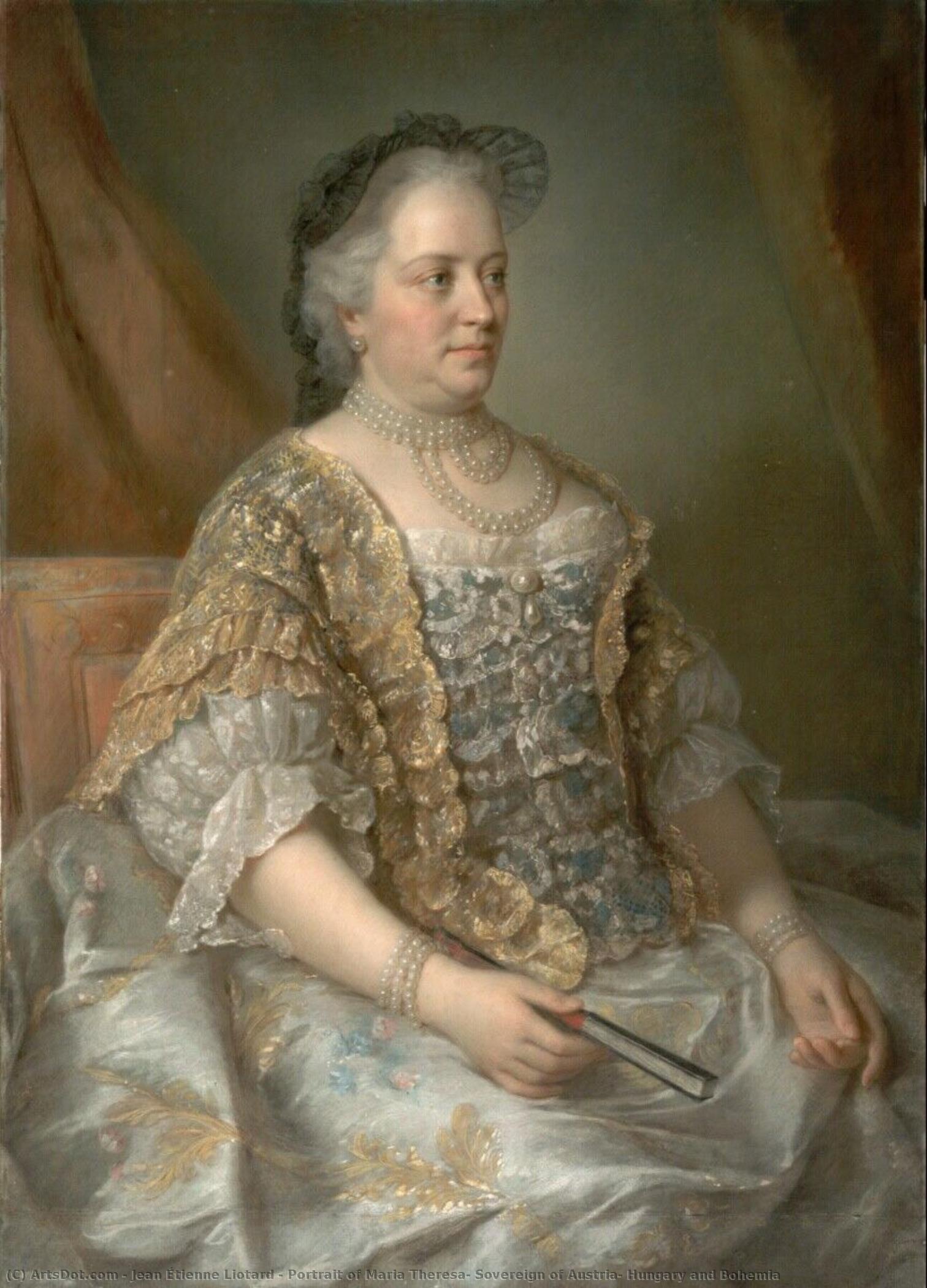
Admira la maestría de Jean-Étienne Liotard en este retrato de María Teresa (1762), estilo Rococo excepcional. Elegancia y belleza atemporal en una obra maestra genevana. #arte #retrato #rococó
Descubre la belleza delicada de Jean-Étienne Liotard, pintor genevano reconocido por sus escenas turcas y retratos naturalistas (1702-1789). ¡Una maestría del pastel que marcó el siglo XVIII!
Originally a palace built on Vienna's fortress walls, it was later reimagined as a public institution. The roof design by Hans Hollein is a striking modernist addition.
Portrait of Maria Theresa, Sovereign of Austria, Hungary and Bohemia
Jean-Étienne Liotard’s “Portrait of Maria Theresa” transcends mere representation; it embodies the grandeur and sophistication of Rococo art—a testament to his mastery as a Genevan painter and connoisseur. Created in 1762, this pastel masterpiece resides within the Albertina Museum in Vienna, Austria, offering viewers an unparalleled glimpse into the artistic sensibilities of the era.
### Style and Technique: The Delicate Dance of Pastel
Liotard’s signature style is characterized by its exquisite subtlety—a hallmark of pastel drawing during the mid-18th century. Unlike oil paints, pastels utilize powdered pigment mixed with binder to achieve luminous hues and velvety textures. Liotard skillfully employed this technique, layering delicate strokes to capture the nuanced contours of Maria Theresa's face and drapery. The resulting image glows with an ethereal quality, reflecting the influence of Venetian painting traditions prevalent at the time. Precise brushwork contributes to a remarkable level of detail—particularly evident in the intricate folds of her gown and the shimmering pearls adorning her neck—demonstrating Liotard’s meticulous attention to craftsmanship.
### Historical Context: An Era Defined by Nobility and Patronage
“Portrait of Maria Theresa” emerged from a period marked by profound social and political transformations within Europe. The Habsburg monarchy, under Maria Theresa's reign, exerted considerable influence over artistic patronage—supporting artists like Liotard who produced works reflecting the values of aristocratic society. Rococo art flourished during this time, prioritizing elegance, ornamentation, and sensual beauty—a deliberate contrast to the austere formality of Neoclassical styles that would soon follow. The portrait serves as a visual chronicle of Maria Theresa’s status as sovereign—symbolized by her regal attire and jewelry—underscoring the importance of aristocratic lineage and power within the cultural landscape.
### Symbolism: Pearls, Drapery, and the Pursuit of Ideal Beauty
The pastel itself carries symbolic significance—representing delicacy, refinement, and a preference for soft colors—elements deeply ingrained in Rococo aesthetics. Maria Theresa’s gown is draped with flowing fabrics—a deliberate allusion to classical drapery—emphasizing grace and movement while simultaneously conveying wealth and status. The pearls encircling her neck symbolize nobility and purity—reflecting the idealized notions of femininity prevalent during the period. Liotard's aim was not merely to depict a likeness but to convey an emotional resonance—capturing Maria Theresa’s dignity and composure with remarkable sensitivity.
### Emotional Impact: A Moment Frozen in Time
Ultimately, “Portrait of Maria Theresa” evokes a profound sense of timelessness—transporting viewers back to the opulent salons of Vienna and inviting contemplation on themes of beauty, power, and legacy. The pastel's luminous palette and masterful brushwork instill admiration for Liotard’s artistic prowess—celebrating his ability to transform pigment into an enduring symbol of cultural heritage. This portrait remains a captivating exemplar of Rococo art—inspiring collectors and interior designers alike with its exquisite aesthetic qualities and evocative narrative.