A Window into Rural Dignity: Exploring Jean-François Millet’s ‘Portrait of Pauline Ono’
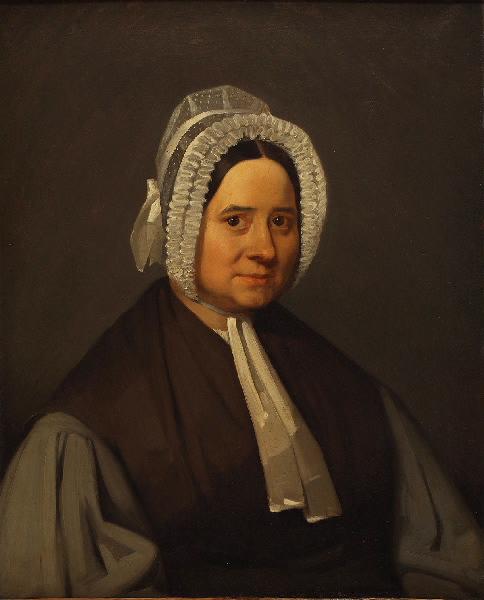
Jean-François Millet’s “Portrait of Pauline Ono,” painted in 1843-1844, stands as a cornerstone of the Barbizon School and Realist movement—a testament to Millet's unwavering commitment to portraying the everyday lives of rural laborers with unflinching honesty. More than just a likeness of Pauline Ono, Millet’s wife, this painting delves into themes of familial devotion and quiet strength, reflecting the profound influence of his upbringing in Gruchy on his artistic vision.
- Subject Matter: The portrait depicts Pauline Ono, Millet's wife, seated with a dignified composure. Her gaze is direct, confronting the viewer with an expression that speaks volumes about resilience and inner fortitude.
- Style & Technique: Millet’s masterful brushwork exemplifies Barbizon realism—characterized by meticulous observation of nature and a rejection of idealized representations. He employs a muted palette dominated by earthy tones – browns, ochres, and grays – skillfully blending pigments to create subtle gradations that capture the textures of fabric and skin with remarkable accuracy.
- Historical Context: Painted during a period of significant social upheaval in France—the Industrial Revolution reshaping urban landscapes and challenging traditional agrarian values—Millet’s work represents a deliberate counterpoint to academic art's preoccupation with mythological narratives and grand historical scenes. It champions the dignity of labor and celebrates the beauty inherent in rural existence, aligning powerfully with the burgeoning Romantic sensibility that sought solace in the natural world.
Symbolism & Emotional Resonance
Beyond its technical brilliance, “Portrait of Pauline Ono” resonates deeply on an emotional level. The woman’s stern gaze isn't merely a stylistic choice; it embodies a quiet determination—a reflection of Millet’s own mother, who instilled in him a steadfast spirit rooted in the soil. The pearl necklace subtly symbolizes purity and refinement amidst the simplicity of rural life, highlighting the harmonious blend of beauty and practicality that defines Millet’s artistic ethos.
- Color Palette: The subdued color scheme contributes to the painting's contemplative mood, emphasizing the solemnity of the subject matter.
- Composition: Millet utilizes a balanced composition—centering Ono’s figure against a dark background—to draw attention to her face and convey a sense of unwavering resolve.
A Legacy of Authenticity
“Portrait of Pauline Ono” continues to captivate audiences today not only for its artistic merit but also for its enduring portrayal of human dignity. It serves as an inspiring reminder that beauty can be found in the most unassuming corners of existence—a sentiment perfectly encapsulated by Millet’s lifelong dedication to capturing the essence of rural life with unwavering honesty and profound empathy.
- Influence: Millet's work profoundly impacted subsequent generations of artists, establishing a precedent for depicting ordinary subjects with sensitivity and realism.
- Reproductions: ArtsDot offers exceptional high-quality reproductions that allow collectors and enthusiasts alike to experience the beauty and emotional depth of this iconic masterpiece in their own homes.