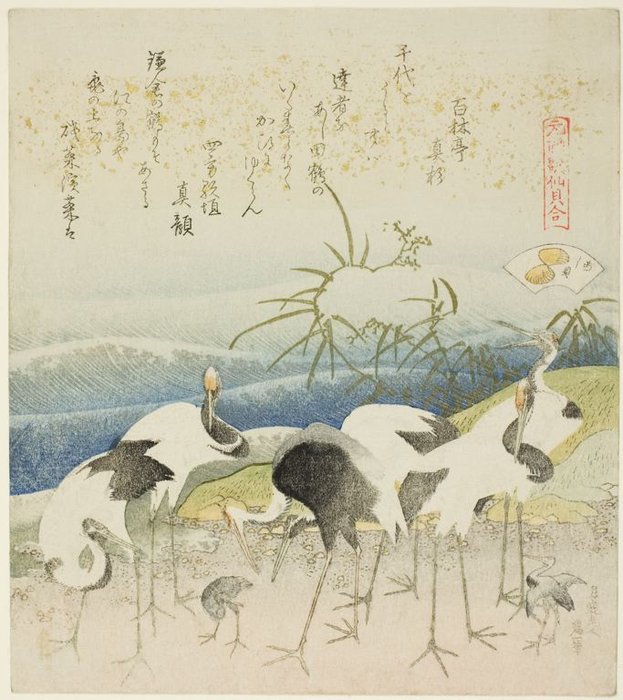
Katsushika Hokusai (1760–1849), maestro japonés de la impresión ukiyo-e, revolucionó el arte con "La Gran Ola" y exploró paisajes impresionantes como símbolo de fuerza natural y belleza estética.
Descubre a Hokusai (1760-1849), maestro del ukiyo-e japonés! Explora 'La Gran Ola', paisajes, manga e impresiones en madera. ¡Influencia en el Impresionismo y más!
Katsushika Hokusai: A Life Etched in Ink – The World of Mount Fuji
Katsushika Hokusai (葛飾 北斎; c. 31 October 1760 – 10 May 1849), known mononymously as Hokusai, stands as arguably Japan’s most internationally recognized artist of the Edo period—a figure whose influence reverberates through Western art movements like Impressionism and Symbolism. More than simply a prolific printmaker, he was a restless innovator who fundamentally reshaped Japanese visual culture, transforming traditional landscape painting into a genre defined by dynamic composition and breathtaking detail. His enduring legacy resides not only in his iconic prints but also in the profound philosophical contemplation they inspire—a testament to his unwavering dedication to artistic excellence and his unparalleled mastery of ukiyo-e technique.
### Early Life & Training: The Seeds of Artistic Genius
Hokusai’s journey toward artistic greatness began humbly, born Tokitarō Nakajima in Edo’s Katsushika district – a location synonymous with the burgeoning artisan culture of Japan's capital city. Despite initial reservations from his father regarding artistic pursuits—a sentiment reflecting the societal norms of the time—young Hokusai demonstrated an innate fascination for drawing and painting from a remarkably early age, reportedly commencing his artistic explorations around six years old. This unwavering dedication would serve as the bedrock upon which he built his extraordinary career spanning nearly nine decades—a trajectory characterized by constant stylistic evolution and experimentation driven by an insatiable curiosity about the world around him. His father’s recognition of this nascent talent proved pivotal, fostering a path that ultimately transformed Hokusai into one of Japan's foremost artistic luminaries.
### The Katsukawa School & Kabuki Prints: Mastering Dramatic Composition
At twelve, Hokusai embarked upon an apprenticeship under Katsukawa Shunshō—a towering figure in ukiyo-e and the head of the influential Katsukawa school specializing in kabuki theater productions. This formative association honed his skills in theatrical composition—a cornerstone of Edo period artistic practice—and established him firmly within a milieu renowned for its stylistic innovation and technical prowess. During this crucial period, Hokusai diligently absorbed the techniques and conventions of kabuki artistry, mastering the art of capturing fleeting moments of dramatic performance with unparalleled precision and expressive dynamism. This experience profoundly shaped his visual vocabulary and cemented his reputation as a virtuoso printmaker—a distinction that would endure throughout his illustrious career.
### The Great Wave & Artistic Breakthrough: Capturing Nature's Fury
Hokusai’s artistic zenith arrived during a period of transformative change in Japan – namely, the burgeoning fascination with travel and exploration fueled by the opening of Japan to Western trade. Amidst this dynamic cultural landscape emerged *The Great Wave off Kanagawa*, arguably Hokusai’s most celebrated masterpiece—a monumental print that encapsulates the spirit of the era's ambition and daring while simultaneously elevating ukiyo-e to unprecedented heights of artistic sophistication. This breathtaking depiction of a colossal wave crashing against rocky shores, juxtaposed with the serene majesty of Mount Fuji looming in the distant background, embodies a profound connection between humanity and nature—a theme that would become central to Hokusai’s oeuvre and solidify his place as one of Japan's greatest landscape artists. The print’s masterful use of color, texture, and perspective—techniques honed through years of meticulous observation and experimentation—represents a triumph of artistic vision and technical skill.
### Exploring European Influences: Embracing Innovation Across Borders
Recognizing the transformative potential inherent in Western artistic traditions, particularly copper engraving—a technique pioneered by artists like Rembrandt and Albrecht Dürer—Hokusai actively sought exposure to European stylistic influences. This engagement broadened his artistic horizons beyond the confines of Edo period conventions and propelled him toward a burgeoning Japonisme movement in Europe—a trend that captivated artists such as Vincent van Gogh and Claude Monet, who drew inspiration from Hokusai’s bold compositional choices and expressive palette. By adapting Western techniques to his own distinctive aesthetic sensibilities, Hokusai demonstrated an unparalleled capacity for artistic innovation—a quality that cemented his legacy as a pioneer of modern art and ensured his enduring influence on subsequent generations of artists worldwide.
### Legacy & Enduring Symbolism: A Timeless Masterpiece
Hokusai’s impact transcends mere artistic achievement; he embodies the very essence of Japanese artistic tradition—a testament to unwavering dedication, boundless creativity, and an unparalleled mastery of ukiyo-e technique. His prolific output—over 30,000 paintings, sketches, woodblock prints, and images for picture books—stands as a monumental record of his lifelong pursuit of artistic excellence. More profoundly, Hokusai’s iconic imagery continues to resonate globally, symbolizing resilience, beauty amidst chaos, and the enduring power of observation—themes that encapsulate the core values of Japanese culture and inspire contemplation across cultures and eras. *The Great Wave*, in particular, remains a symbol of Japan's artistic heritage—a timeless masterpiece whose breathtaking composition and evocative color palette continue to captivate audiences worldwide.