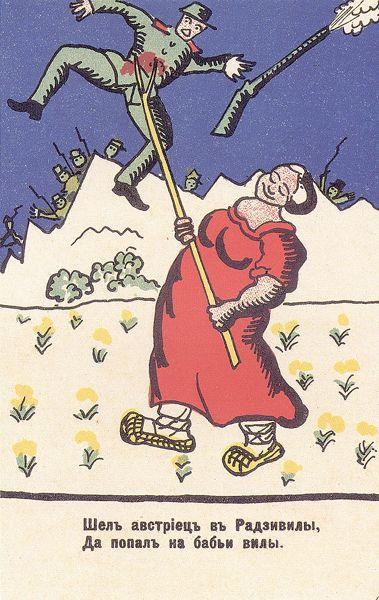
Austrian went into Radziwill

Kazimir Malevich’s striking ‘Austrian Went Into Radziwill,’ a bold abstract painting from 1914, captures a dramatic confrontation amidst mountainous landscapes—a testament to the artist's pioneering exploration of geometric abstraction and his influence on the Russian avant-garde.


Kazimir Malevich (1878 - 1935)

Kazimir Malevich (1878-1935): Fundador ucraniano del Suprematismo y pionero del arte abstracto. Explora obras icónicas como el Cuadrado Negro, formas geométricas y el impacto de la pura emoción en el arte del siglo XX.

A Bold Statement Against Convention: Kazimir Malevich’s “Austrian Went Into Radziwill”

  • Subject Matter: The painting depicts a woman wielding a firearm, positioned prominently against a mountainous backdrop. This seemingly simple composition belies a profound exploration of power dynamics and psychological tension.
  • Style & Technique: Malevich’s work exemplifies Suprematism—a revolutionary artistic movement that championed pure geometric abstraction as the highest form of art. “Austrian Went Into Radziwill” utilizes bold, reductive forms – primarily squares and rectangles – rendered in a striking palette of reds and blacks. The artist deliberately eschewed illusionistic representation, prioritizing visual impact over realistic depiction.
  • Historical Context: Created in 1914, “Austrian Went Into Radziwill” emerged during the turbulent period preceding World War I. Malevich’s artistic experimentation coincided with broader intellectual currents questioning traditional aesthetics and embracing radical ideas about art's role in society. The painting reflects a desire to liberate art from academic constraints and express fundamental concepts of existence.
  • Symbolism: While devoid of recognizable imagery, the artwork is laden with symbolic significance. The woman’s stance—one foot elevated—represents defiance and assertion against established norms. The firearm symbolizes force and control, yet its placement alongside geometric shapes suggests a deliberate attempt to neutralize visual stimuli and focus on pure form. The mountainous landscape serves as an anchor, grounding the abstract elements in a sense of vastness and permanence.
  • Emotional Impact: “Austrian Went Into Radziwill” evokes feelings of unease and contemplation. Its stark simplicity confronts viewers with the raw essence of visual experience, prompting reflection on themes of power, vulnerability, and resistance. The bold colors contribute to a dramatic atmosphere, amplifying the psychological intensity of the scene.

This reproduction captures Malevich’s uncompromising vision—a testament to his pioneering role in shaping modern art history. Its geometric precision and emotive palette offer an exceptional opportunity for interior designers seeking to infuse spaces with intellectual depth and artistic dynamism.