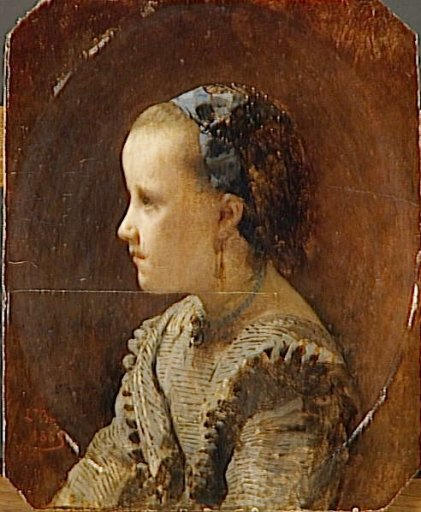
A poignant portrait of a young girl capturing quiet contemplation through 19th-century academic realism by Léon Joseph Florentin Bonnat, inviting you to explore the profound emotional depth of this timeless masterpiece.
Léon Bonnat (1833-1922): Pintor realista francés famoso por sus retratos y escenas religiosas influenciadas por los maestros españoles. Profesor en la École des Beaux-Arts, mentor de Sargent y Toulouse-Lautrec.
Descubre el Louvre en París: hogar de obras icónicas como la Mona Lisa y Venus de Milo. ¡Viaja por la historia del arte desde Egipto hasta iconos renacentistas! Planifica tu visita hoy.
París
Francia
Un Palacio Forjado a Través del Tiempo: Revelando el Alma del Louvre
El Musée du Louvre no es simplemente un edificio que alberga obras maestras; es un palimpsesto grabado en piedra y lienzo, susu
A Portrait Steeped in Tradition: Exploring Bonnat’s ‘Portrait de Fillette’
The artwork “Portrait de Fillette,” executed by Léon Joseph Florentin Bonnat, stands as a testament to the enduring influence of academic realism within 19th-century French art. More than just a depiction of a young girl, it embodies a stylistic ethos rooted in meticulous observation and idealized representation—a characteristic that continues to resonate with discerning audiences today. Examining its composition, color palette, technique, and biographical context unveils layers of artistic intention and emotional depth.
Composition and Observation
Bonnat’s masterful approach begins with the framing of his subject. The portrait presents a young girl in profile, positioned centrally within the canvas—a deliberate choice that harkens back to the conventions of academic painting where idealized figures were rendered with exacting precision. Her gaze directs off-canvas, fostering a sense of contemplative stillness and inviting viewers into her inner world. This careful positioning underscores Bonnat’s commitment to capturing not merely appearance but also psychological nuance – a hallmark of his artistic philosophy.
Color Palette and Mood
The subdued color palette—dominated by earthy browns, ochres, and muted reds—contributes significantly to the portrait's melancholic atmosphere. Subtle blues appear delicately woven into the headband and around the neck area, subtly enhancing the overall tonal harmony. These colors aren’t merely decorative; they reflect a broader artistic sensibility prevalent during Bonnat’s time – one that favored understated hues capable of conveying profound emotion. The palette speaks to a desire for capturing beauty in its quietest form.
Technique and Material Considerations
Bonnat employed oil paints on canvas, utilizing a technique characterized by blended brushstrokes designed to achieve smooth transitions and create an illusion of palpable texture. Visible brushstrokes are skillfully integrated into the surface, hinting at the laborious process involved in crafting this artwork. The artist’s meticulous attention to detail—evident in the rendering of facial features and clothing—demonstrates Bonnat's dedication to faithfully reproducing reality through artistic skill. This technique aligns perfectly with the academic tradition, prioritizing accuracy and realism above stylistic embellishment.
Historical Context and Artistic Legacy
Created during Bonnat’s formative years (1858-1861), “Portrait de Fillette” reflects the prevailing aesthetic values of its era—a period marked by a fervent belief in classical ideals and artistic excellence. Bonnat's rejection from the Prix de Rome competition fueled his determination to hone his craft independently, ultimately establishing himself as one celebrated portraitist known for capturing the dignity and grace of his subjects. His work exemplifies the enduring power of academic realism to convey timeless beauty and psychological insight.
Symbolic Resonance and Emotional Impact
Beyond its formal qualities, “Portrait de Fillette” possesses a subtle symbolic resonance. The girl’s solemn gaze invites contemplation on themes of innocence, vulnerability, and inner reflection—elements that resonate deeply with viewers across generations. Bonnat's masterful execution elevates the portrait beyond mere likeness, transforming it into an evocative meditation on human emotion and experience. It serves as a poignant reminder of the beauty found in quiet observation and the enduring legacy of artistic tradition.