Explora la vida y obra de Leonardo da Vinci (1452-1519), maestro del Renacimiento. Pintor, escultor, ingeniero, científico: un polímata detrás de obras icónicas como la Mona Lisa y La Última Cena. Descubre sus inventos y legado.
Descubre el legendario Santo Sudario y los opulentos tesoros de Saboya en los Musei Reali de Turín, un viaje asombroso por la historia real y el esplendor barroco que te invita a explorar el majestuoso legado de Italia.
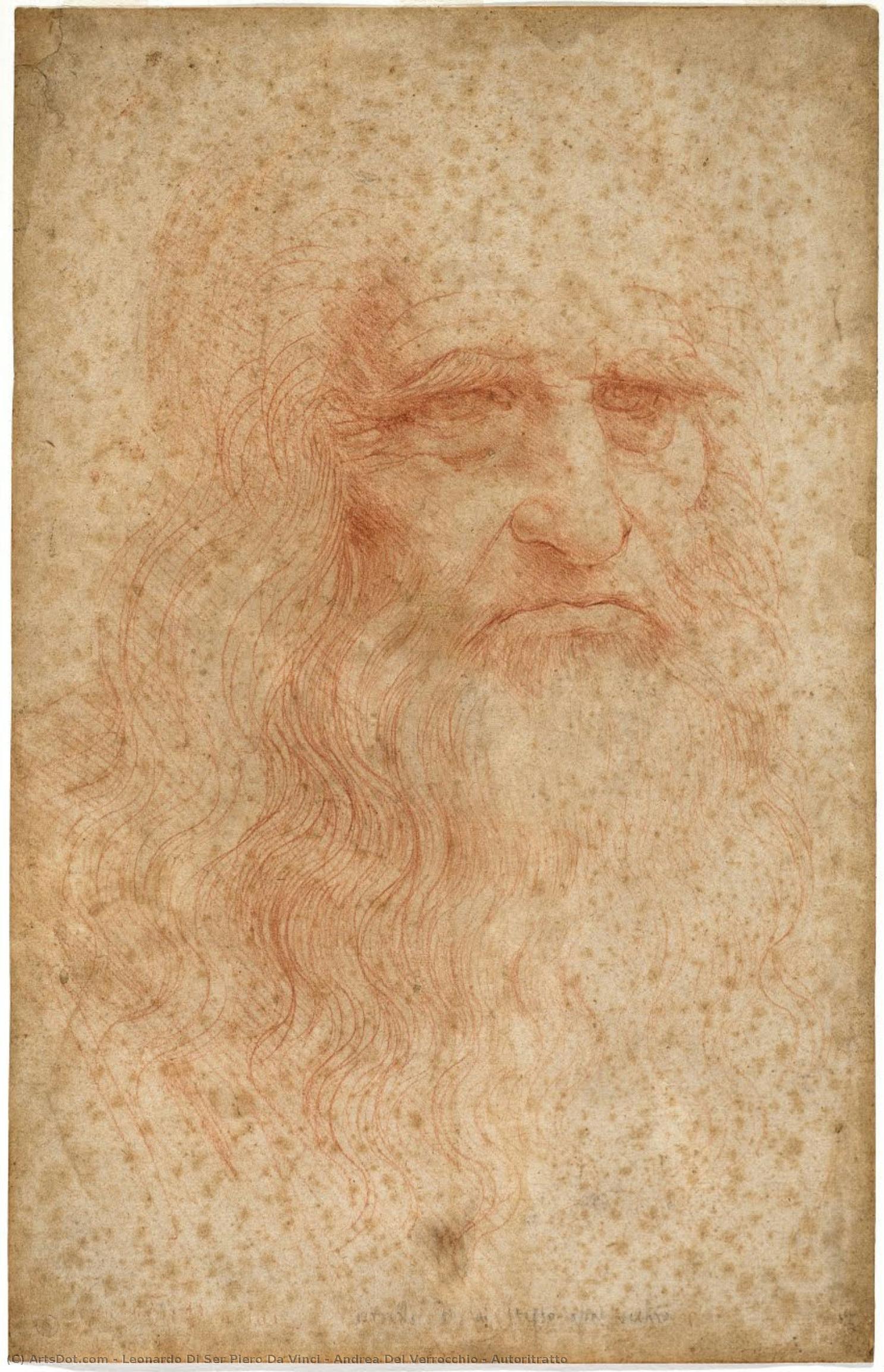
Leonardo da Vinci & Andrea del Verrocchio’s “Autoritratto”: A Portrait of Renaissance Genius
The enigmatic self-portrait by Leonardo da Vinci and Andrea del Verrocchio, completed around 1480, stands as a cornerstone of High Renaissance art—a testament to humanist ideals and an unparalleled exploration of human psychology. More than just a likeness, it’s a carefully constructed meditation on identity, perception, and the artist's own contemplation of his craft. Located in Museo Nazionale di Palazzo Ducale Vicenza, this painting offers a glimpse into the mind of one of history’s most influential figures.
- Subject Matter & Composition: Da Vinci meticulously captured his own gaze—a penetrating stare directed slightly off-center—against a subtly textured olive green background. The pose is deliberately understated, conveying a sense of quiet introspection rather than grandiosity. This deliberate simplicity underscores the artist’s focus on capturing not merely physical appearance but also inner character.
- Style & Technique: Executed in oil paint on poplar wood panel, “Autoritratto” exemplifies Da Vinci's mastery of sfumato—a technique he pioneered to achieve atmospheric haze and soften contours. Layers upon layers of translucent glaze create an illusion of depth and luminosity, capturing the nuances of light and shadow with breathtaking accuracy. Verrocchio’s contribution is evident in the meticulous rendering of anatomical detail, particularly in the hands – a hallmark of Florentine sculpture.
The painting's historical context illuminates its significance within the broader artistic landscape of Florence during Lorenzo de Medici’s reign. Da Vinci and Verrocchio were working at the apex of Renaissance creativity, responding to humanist scholarship that championed observation and rational inquiry. The portrait reflects this intellectual fervor, mirroring the artist’s engagement with philosophical concepts and his desire to represent himself as a man of intellect and virtue.
- Symbolism & Emotion: Beyond its technical brilliance, “Autoritratto” resonates with profound symbolic meaning. The gaze itself is interpreted as conveying awareness and self-reflection—a contemplation of one's own mortality and the pursuit of knowledge. The muted palette contributes to an atmosphere of solemnity and seriousness, inviting viewers to engage in a dialogue about identity and artistic ambition.
“Autoritratto” continues to captivate audiences today because it transcends mere representation; it embodies the spirit of Renaissance humanism—a celebration of human potential and a profound understanding of the complexities of the human condition. Its enduring appeal lies in its ability to provoke contemplation and inspire admiration for Da Vinci’s unparalleled artistic vision. Hand-painted reproductions are available at ArtsDot.com, allowing collectors and enthusiasts alike to experience this masterpiece firsthand.