A Glimpse into the Past: The Soul of a Portrait
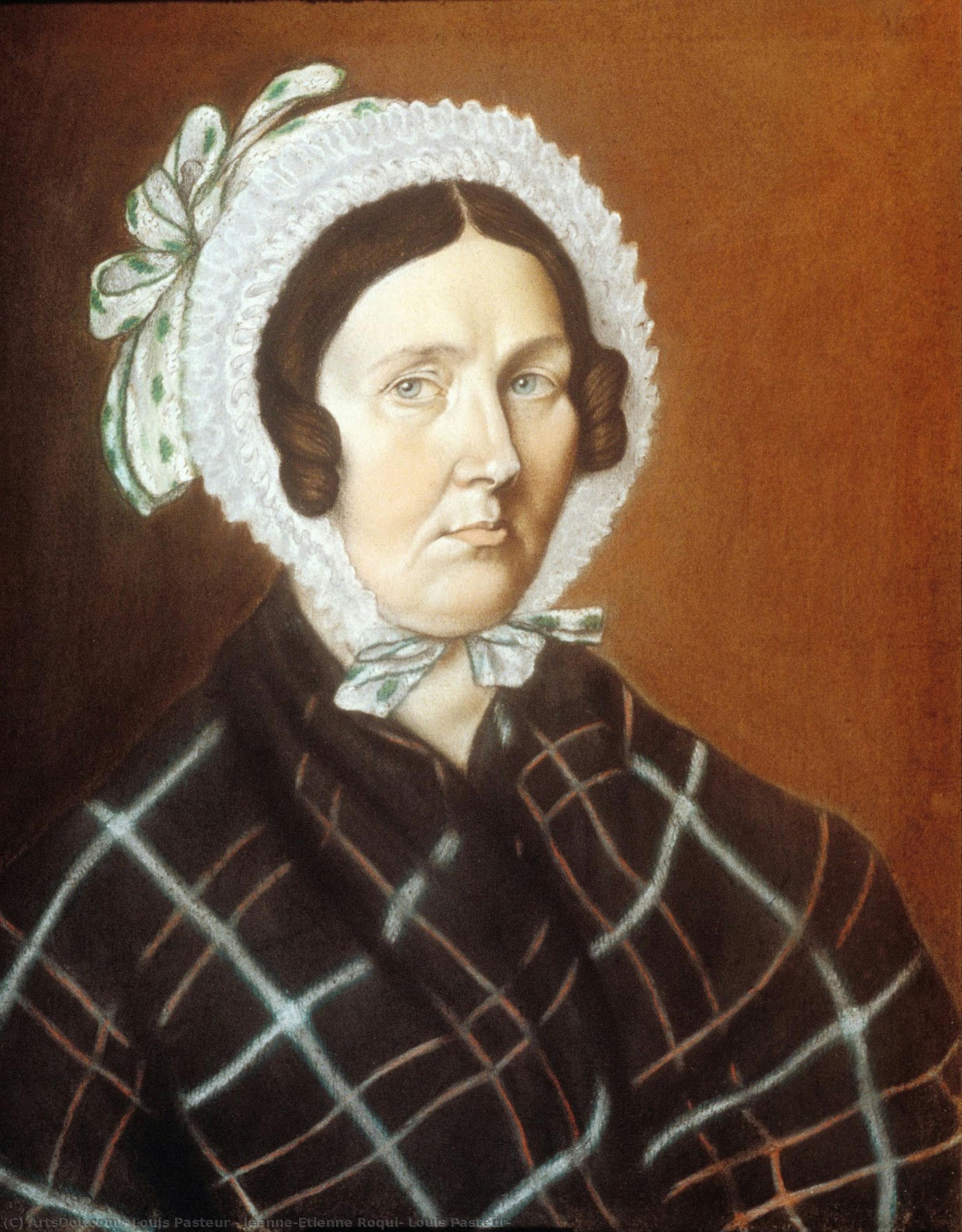
In the quiet intimacy of "Jeanne-Etienne Roqui, Louis Pasteur," we are invited to step back into the year 1836, encountering a moment frozen in time through the eyes of a master. This evocative portrait captures an elderly woman with a profound sense of dignity and grace, presenting a close-up study that draws the viewer into her very essence. The composition is masterfully centered, forcing an immediate and inescapable connection between the subject and the observer. Set against a warm, somber brown background, her features emerge from the shadows with a striking realism that speaks to the fleeting nature of life and the enduring power of memory. It is not merely a depiction of a person, but a window into a bygone era, rendered with a sensitivity that suggests this piece was intended as a cherished family heirloom or a commemorative tribute to a life well-lived.
The artistry of Louis Pasteur—a man whose scientific legacy would later change the world—is revealed here through a delicate balance of texture and light. The technique is a triumph of oil painting, where meticulous brushwork breathes life into the varied surfaces of the subject. One can almost feel the tactile contrast between the heavy, structured geometry of her plaid fabric and the ethereal, fragile lace of her bonnet. Pasteur employs a soft, diffused lighting that avoids harsh contrasts, instead opting for subtle gradations of tone that sculpt the curves of her face and the gentle folds of her clothing. This approach creates a romanticized realism, where the physical details are rendered with scientific precision, yet the emotional atmosphere remains tender and deeply human.
Symbolism and the Art of Presence
Every element within this portrait serves to deepen the narrative of the subject's identity. The choice of attire—the intricate tartan patterns and the delicate bonnet—acts as a silent historical marker, anchoring the woman in the mid-19th century. These textures do more than provide visual interest; they symbolize the layers of time and experience etched into her character. While the symbolic elements are minimal, their impact is profound, suggesting a sense of tradition, stability, and the quiet strength found in aging. The organic shapes of her features, softened by the artist's hand, contrast beautifully with the rigid lines of her clothing, creating a visual metaphor for the softness of the human spirit existing within the structured constraints of society.
For the discerning collector or interior designer, this artwork offers much more than mere decoration. It provides a focal point of profound emotional depth, capable of anchoring a room with its historical weight and quiet elegance. Whether placed in a curated gallery setting or used to add a touch of classical sophistication to a contemporary living space, "Jeanne-Etienne Roqui, Louis Pasteur" serves as a conversation piece that celebrates the beauty of realism and the timeless allure of portraiture. To possess a reproduction of this work is to hold a fragment of history, inviting a sense of contemplative peace and a deep appreciation for the masterful intersection of art and life.