A Tapestry of Identity: The Soul of Palestinian Motifs
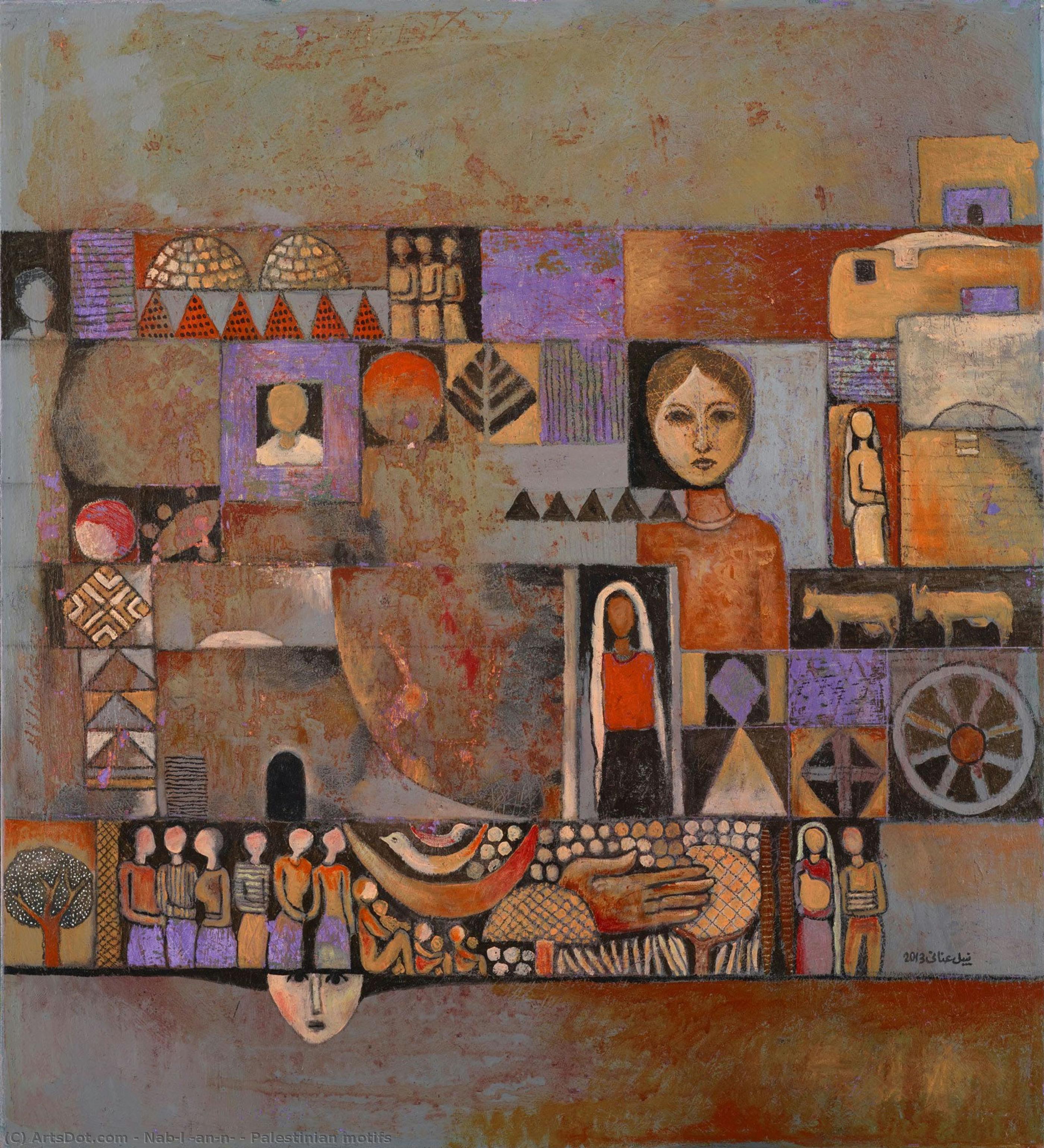
In the vast landscape of contemporary Middle Eastern art, few works resonate with the profound depth and rhythmic complexity found in Nabil Anani’s Palestinian Motifs. This monumental piece, measuring an impressive 110 x 100 cm, serves as more than just a canvas; it is a visual chronicle of heritage, resilience, and the enduring spirit of a people. At first glance, the viewer is swept into a dense, kaleidoscopic world where the boundaries between human existence and the natural environment blur. The composition is a masterful dance of figures, where a central female presence appears in various states of being, her forms echoing through the space to suggest the cyclical nature of life, memory, and ancestral continuity.
The artist employs a technique that feels both ancient and strikingly modern, weaving together a narrative that transcends simple representation. Through a sophisticated layering of imagery, Anani populates his canvas with a diverse cast of characters—human figures, animals, and birds that flit across the composition like fragments of a dream. This intricate arrangement creates a sense of "organized chaos," where every corner of the work offers a new discovery for the observant eye. The interplay of vibrant hues against more muted, earthy tones evokes the sun-drenched landscapes of Palestine, grounding the ethereal subject matter in a tangible, historical reality.
Symbolism and the Language of Heritage
To gaze upon Palestinian Motifs is to read a visual poem written in the language of cultural symbols. The inclusion of birds is particularly poignant; they act as messengers between the earthly and the spiritual, representing freedom, migration, and the watchful eyes of those who have passed. The repetition of certain patterns and motifs suggests the traditional embroidery and folk art that define Palestinian identity, transforming the canvas into a textile-like tapestry of history. Each figure and creature is placed with intentionality, contributing to a larger dialogue about how collective memory is preserved through art.
For the collector or interior designer, this artwork offers an unparalleled emotional gravity. It does not merely decorate a room; it anchors it. The complexity of the work invites long periods of contemplation, making it a perfect centerpiece for spaces dedicated to thought, culture, and sophisticated aesthetics. Whether placed in a contemporary gallery setting or a classic study, the painting’s ability to command attention through its intricate detail and profound subject matter ensures it remains a focal point of conversation and inspiration.
A Masterpiece for the Discerning Collector
Acquiring a high-quality reproduction of such a significant work allows one to bring the evocative power of Nabil Anani’s vision into their personal sanctuary. This piece is an invitation to celebrate the beauty of struggle and the triumph of cultural preservation. It appeals to those who appreciate art that tells a story—art that possesses a heartbeat. By integrating this work into a curated collection, you are not just displaying a painting; you are hosting a legacy of resilience, artistry, and the timeless beauty of the Palestinian spirit.