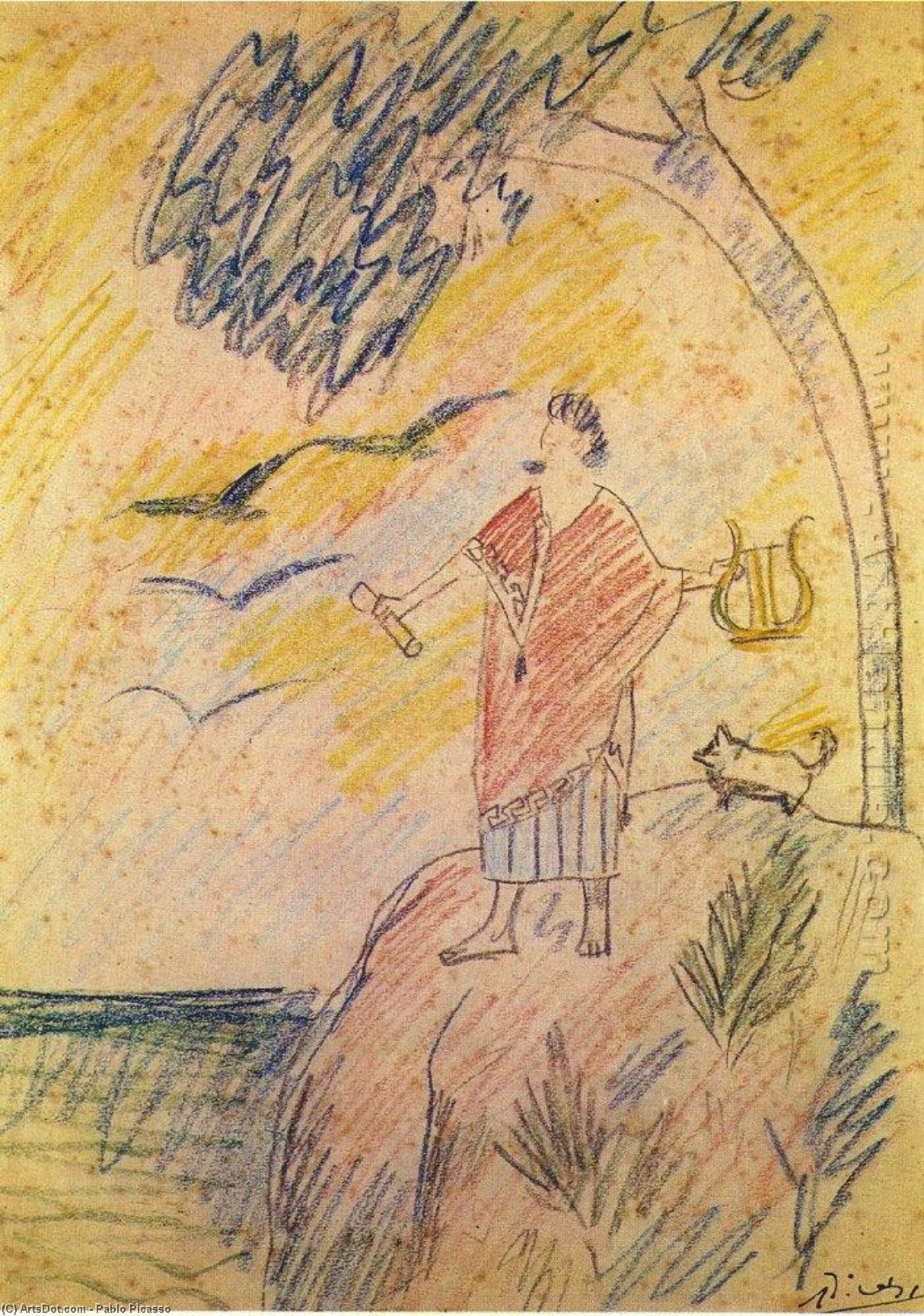
Pablo Picasso: A Revolutionary Artist
Pablo Ruiz y Picasso (1881–1973), born in Málaga, Spain, was a transformative figure in the art world—a painter, sculptor, ceramicist, printmaker, and stage designer whose groundbreaking innovations reshaped artistic expression. From his formative years to his prolific output spanning decades, Picasso relentlessly pursued experimentation and challenged conventions, cementing his legacy as one of the most influential artists of the 20th century. His journey began with a prodigious talent nurtured by his father, José Ruiz y Blasco, an art teacher who instilled in him early appreciation for artistic craftsmanship. Moving to Barcelona and later Madrid, Picasso’s encounters with diverse influences—Impressionism, Symbolism, Oriental Art—fueled his evolving stylistic vision.
- Early Training: Picasso's initial works demonstrated remarkable naturalistic skill, capturing the essence of everyday life with meticulous detail.
- Academic Resistance: His studies at the Royal Academy of San Fernando proved frustrating due to its rigid adherence to traditional academic standards, prompting him to seek inspiration independently.
- Influential Masters: He drew profound inspiration from artists like Velázquez and Goya, whose mastery captivated his imagination and shaped his artistic sensibilities.
The Blue Period (1901–1904)
The Blue Period marked Picasso’s initial foray into expressive abstraction, characterized by somber hues—primarily blues and greens—that conveyed themes of melancholy, poverty, and despair. Influenced by the socio-economic hardships prevalent in Barcelona during this time, Picasso depicted subjects such as beggars, prostitutes, and marginalized individuals with unflinching honesty. His palette mirrored the emotional landscape of his era, reflecting a preoccupation with human suffering and vulnerability. Notable paintings from this period include “Old Woman,” portraying an elderly woman burdened by hardship, and “The Poet Alberto Lozano,” capturing a portrait imbued with quiet contemplation.
- Emotional Depth: Picasso’s use of color served as a conduit for conveying profound emotional resonance—a testament to his ability to translate inner turmoil into visual form.
- Symbolic Palette: The dominant blues symbolized sadness, isolation, and spiritual yearning, encapsulating the pervasive atmosphere of disillusionment that permeated Barcelona's artistic circles.
- Technique: Picasso employed a meticulous brushstroke technique—often applying paint thickly—to create textured surfaces that enhanced the expressive power of his compositions.
The Rose Period (1904–1906)
Following the Blue Period’s introspective exploration of sorrow, Picasso transitioned to a warmer tonal range—rose hues and ochres—reflecting newfound optimism and tenderness. This stylistic shift coincided with his relationship with Fernande Olivier, introducing elements of romance and human connection into his artistic repertoire. Subjects depicted during this period included circus performers, musicians, and acrobats—figures embodying vitality and dynamism. Picasso’s canvases from the Rose Period pulsate with energy and grace, capturing fleeting moments of beauty amidst everyday life.
- Shift in Mood: The rosy hues conveyed a sense of warmth, joy, and affection—a deliberate departure from the bleakness of his previous works.
- Human Relationships: Picasso’s portrayal of figures engaged in social interaction underscored the importance of human connection—a recurring motif throughout his oeuvre.
- Fluid Brushwork: Picasso's brushstrokes became looser and more fluid, allowing for greater expressive freedom while maintaining a harmonious balance between form and color.
Cubism (1907–1914)
Picasso’s groundbreaking embrace of Cubism revolutionized artistic representation, dismantling traditional perspective and fracturing objects into geometric planes—a radical departure from conventional realism. Collaborating closely with Georges Braque, Picasso dissected subjects like guitars and portraits into fragmented forms—analyzing them from multiple viewpoints simultaneously. This innovative technique challenged viewers' perceptions of reality—forcing them to reconsider how they interpret visual information. Cubism’s influence extended far beyond Picasso’s lifetime, shaping the trajectory of modern art for decades to come.
- Geometric Fragmentation: Picasso skillfully employed geometric shapes—cubes, cones, cylinders—to reconstruct objects in a manner that defied linear perspective.
- Multiple Perspectives: The simultaneous depiction of various viewpoints conveyed a holistic understanding of subject matter—emphasizing the complexity of visual experience.
- Conceptual Innovation: Cubism represented a profound conceptual breakthrough—rejecting illusionistic representation in favor of intellectual exploration and artistic experimentation.
## Conclusion Pablo Picasso’s enduring legacy rests upon his unwavering commitment to innovation—his relentless pursuit of stylistic evolution—and his ability to capture the essence of human experience with unparalleled sensitivity. From the melancholic depths of the Blue Period to the vibrant dynamism of the Rose Period and the revolutionary geometric precision of Cubism, Picasso consistently pushed artistic boundaries—leaving an indelible mark on the history of art and inspiring generations of artists worldwide. His work continues to resonate with audiences today, reminding us of the transformative power of creativity and the importance of questioning established conventions. For those eager to delve deeper into Picasso’s artistic journey, explore his extensive catalogue raisonné and immerse yourselves in the captivating narratives surrounding his life and accomplishments.
Woman with hat,
Nude with Picasso by her feet,
Painter and his model
List of Picasso artworks 1901–1910