Him, Fast Sleeping, Soon He Found In Labyrinth Of Many A Round Self Rolled: An Exploration of Gothic Horror and Romantic Symbolism
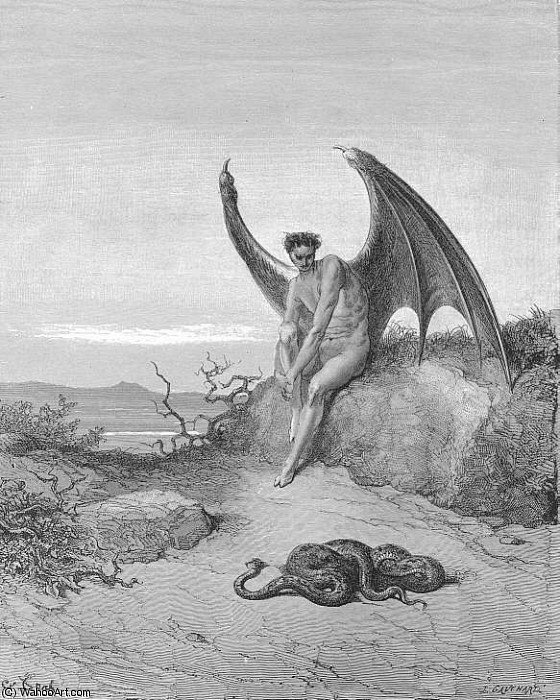
Gustave Doré’s “Him, Fast Sleeping, Soon He Found In Labyrinth Of Many A Round Self Rolled,” created in 1872 as an illustration for John Milton's epic poem *Paradise Lost*, stands as a cornerstone of Victorian gothic horror and Romantic artistic expression. More than just a depiction of biblical narrative, it’s a masterful distillation of anxieties surrounding mortality, faith, and the inescapable grip of fate—themes that resonate powerfully even today.
The engraving captures a chilling scene from Milton's retelling of Adam and Eve's expulsion from Eden. At its center is Satan, portrayed with grotesque detail – his wings spread wide, conveying both immense power and profound despair. He sits atop a jagged rock outcrop, illuminated by an unseen source of light that casts dramatic shadows across his form, emphasizing the contours of muscle and bone. Beneath him coils a serpent, symbolizing temptation and evil, its scales rendered with meticulous hatching to convey texture and menace.
- Composition: Doré’s compositional choices prioritize visual impact. The winged figure dominates the frame, positioned slightly off-center to draw the eye and create tension. The rocky outcrop serves as a crucial foreground element, establishing depth and grounding the fantastical subject matter in a tangible reality.
- Color Palette & Technique: Entirely monochromatic—primarily shades of gray—the engraving utilizes tonal variation to achieve remarkable realism. Doré’s masterful hatching and cross-hatching techniques are employed extensively to sculpt form and texture, creating an atmosphere of gloom and unease. The artist's meticulous attention to detail is evident in every line, conveying a palpable sense of physicality.
- Symbolism: Beyond its biblical context, the image operates on multiple symbolic levels. Satan’s posture embodies weariness and contemplation—a suggestion that even the most formidable adversary confronts existential dread. The serpent represents deceit and corruption, mirroring Milton's portrayal of Lucifer as a fallen angel consumed by pride.
- Historical Context: Doré’s work emerged during the Romantic movement, which championed emotion and imagination alongside reason. Artists like Milton were grappling with questions about morality and spirituality in an era marked by scientific advancements and social upheaval. Doré's engraving reflects this cultural preoccupation, utilizing religious iconography to explore contemporary anxieties about human vulnerability and divine judgment.
- Emotional Impact: “Him Fast Sleeping Soon He Found In Labyrinth Of Many A Round Self Rolled” evokes feelings of melancholy, apprehension, and a profound awareness of mortality. Doré’s ability to convey psychological complexity through visual means is unparalleled—the engraving compels viewers to confront uncomfortable truths about human nature and the inescapable forces shaping our destinies.
Doré's legacy extends beyond its artistic merits; it solidified Milton's poem as a cornerstone of Western literature, influencing countless artists and writers who followed. The image continues to fascinate audiences today, serving as a testament to the enduring power of Romantic symbolism and the artist’s ability to capture the essence of human experience.