Pierre-Auguste Renoir: The Artist Behind the Masterpiece
Pierre-Auguste Renoir (1841–1919) stands as one of the most beloved figures in Impressionism, an artistic movement that irrevocably transformed European painting and captured the fleeting beauty of everyday life. More than just a painter, Renoir was a meticulous observer of human emotion and experience, translating his perceptions onto canvas with unparalleled luminosity and grace. His legacy continues to inspire artists and captivate audiences worldwide, cementing his place as a cornerstone of modern art history.
The Bather: A Celebration of Light and Feminine Sensuality
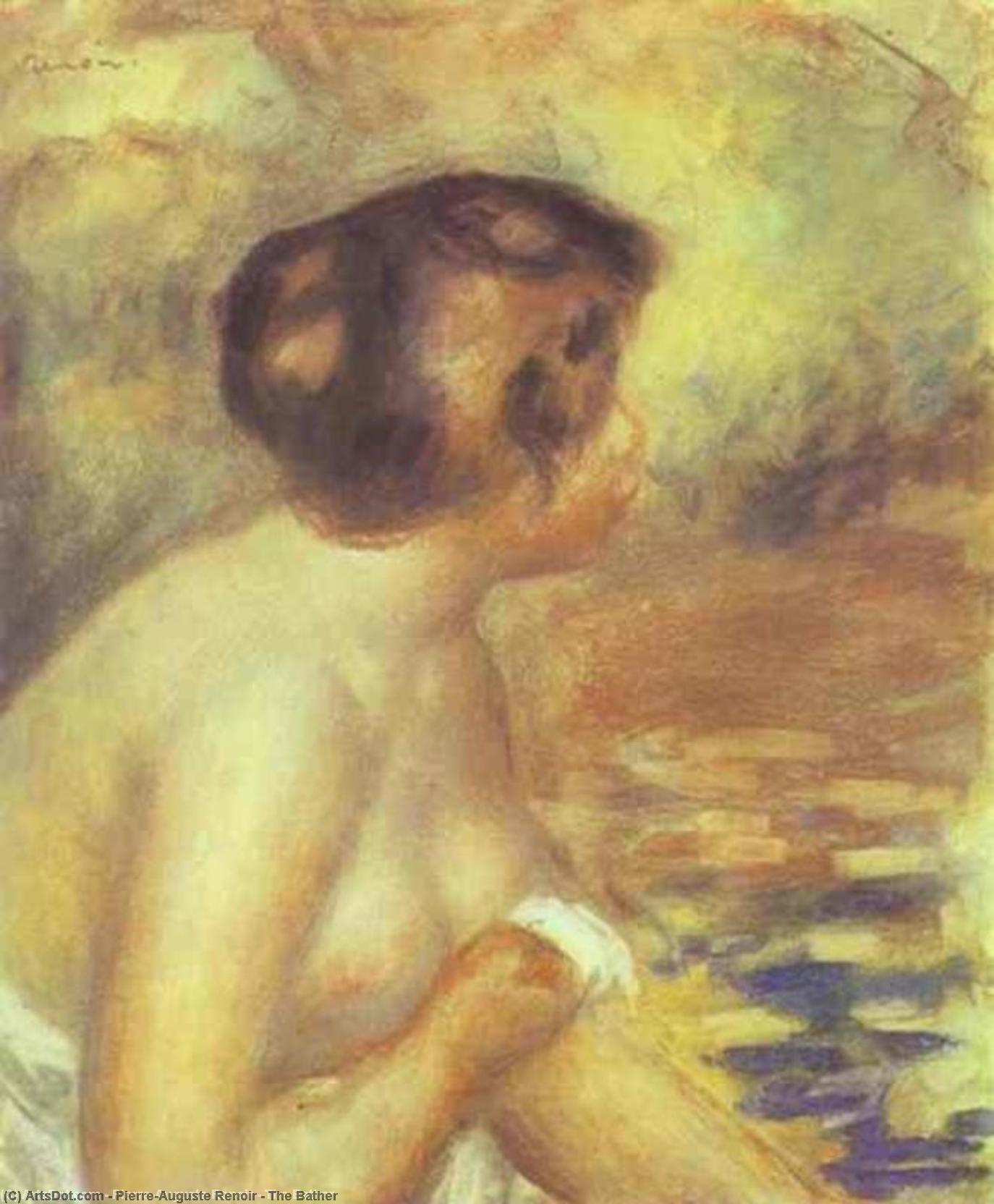
“The Bather,” painted in 1887, exemplifies Renoir’s signature style—a masterful blend of observation, technique, and emotional resonance. This serene depiction portrays a woman seated by the water's edge, her gaze directed towards the distant horizon. The scene unfolds with remarkable subtlety, capturing not just visual details but also an intangible sense of tranquility and contemplation. Unlike many Impressionist paintings focused on dramatic landscapes or bustling urban scenes, “The Bather” prioritizes intimacy and stillness, inviting viewers to immerse themselves in a moment of quiet beauty.
Renoir’s technique is characterized by loose brushstrokes—a hallmark of Impressionism—that create an illusion of shimmering light and movement. He employs pastel shades of pink, peach, and gold to illuminate the woman's skin, conveying warmth and vitality. The artist skillfully renders the contours of her body with soft curves, emphasizing grace and elegance. Furthermore, Renoir’s meticulous attention to detail extends beyond the figure itself; he incorporates elements of the surrounding landscape—lush greenery and dappled sunlight—to enrich the overall atmosphere and reinforce the painting's harmonious composition.
The historical context surrounding “The Bather” is crucial to understanding its significance. Impressionism emerged in Paris during the Belle Époque, a period marked by optimism, social progress, and artistic experimentation. Artists like Renoir sought to break away from academic conventions and depict scenes of modern life as they perceived them—rather than striving for idealized representations. “The Bather” reflects this spirit of innovation, capturing not only the visual splendor of the natural world but also the psychological depth of human experience.
Symbolically, the painting speaks volumes about Renoir’s fascination with femininity and his belief in its inherent beauty. The woman's posture—relaxed yet attentive—suggests a connection to nature and an appreciation for simple pleasures. Her gaze towards the horizon symbolizes aspiration and contemplation, inviting viewers to ponder the mysteries of existence. Moreover, Renoir’s masterful use of color contributes to the painting’s emotional impact, conveying feelings of serenity, peace, and sensual delight.
Experience the Charm of Musee des Collettes (France) and its Impressionist Art
If you're eager to delve deeper into Renoir’s artistic vision and explore his enduring influence on art history, a visit to Musée des Collettes in Cagnes-sur-Mer, France, is indispensable. This museum houses fifteen paintings by Renoir—a testament to his life and work—and offers visitors a unique opportunity to appreciate the artist's distinctive style firsthand. The museum’s curators have painstakingly reconstructed Renoir’s studio environment, allowing viewers to gain insights into his creative process and artistic inspirations.
View and order a hand-made oil painting reproduction of The Bather by Pierre-Auguste Renoir.