A Window into Dalí’s Inner Landscape: Portrait of Hortensia
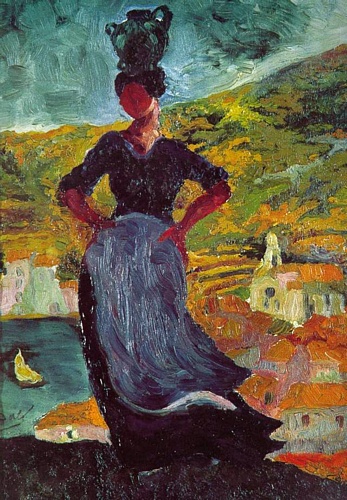
Salvador Dalí's “Portrait of Hortensia, Peasant Woman of CadaquNs,” painted around 1919, stands as a testament to the artist’s pioneering approach to Surrealism and his profound engagement with the psychological complexities of human experience. More than just a depiction of a rural figure—a woman gazing thoughtfully over her shoulder—the painting embodies Dalí's meticulously crafted method of accessing the subconscious mind, transforming observation into an exploration of dreams and anxieties.
- Subject Matter: The portrait captures Hortensia, a peasant woman residing in Cadaqués, Catalonia. This seemingly simple subject was chosen deliberately by Dalí to serve as a conduit for conveying deeper emotional truths about vulnerability and resilience.
- Style & Technique: Executed with remarkable precision using oil paint on canvas, the artwork exemplifies Dalí’s signature style—characterized by meticulous draftsmanship combined with fantastical imagery. The artist's technique is notable for its subtle blending of colors and textures, creating an atmosphere of quiet contemplation amidst the expansive landscape.
The Surrealist Method: Beyond Representation
Dalí’s approach to painting extended far beyond mere visual representation. Influenced by Sigmund Freud's theories on psychoanalysis, he developed what he termed “the paranoiac-critical method.” This technique involved inducing a state of paranoia—a deliberate blurring of reality and fantasy—to unlock hidden images residing within the subconscious. As Dalí himself explained, this process allowed him to translate dreams into tangible forms, capturing fleeting sensations and irrational associations.
- Symbolism: The painting is replete with symbolic elements reflecting Dalí’s preoccupation with themes of duality, memory, and decay. Notably, the mountainous backdrop serves as a visual metaphor for internal struggles—the vastness mirroring the immensity of human emotion.
- Composition: The placement of Hortensia within the frame contributes to the overall narrative. Her gaze directs the viewer’s attention outwards, suggesting an awareness of both inner turmoil and external beauty – capturing the essence of Dalí's artistic vision.
Historical Context & Influence
Painted during Dalí’s formative years as a Surrealist artist—a movement that sought to liberate art from rational constraints—the portrait reflects the broader intellectual currents of the era. Dalí’s collaboration with filmmakers like Alfred Hitchcock solidified his reputation as a visionary storyteller, pushing boundaries and challenging conventional notions of cinematic aesthetics.
- Legacy: “Portrait of Hortensia” remains an enduring symbol of Surrealist innovation—a masterpiece that continues to inspire artists and captivate audiences worldwide. Its meticulous detail and evocative atmosphere underscore Dalí’s unwavering commitment to exploring the depths of human consciousness through art.
A Reproduction Worth Admiring
ArtsDot offers a stunning opportunity to own a high-quality reproduction of this iconic artwork, preserving its beauty and conveying its profound emotional impact. Crafted with meticulous attention to detail, our reproductions utilize archival pigments on premium canvas—ensuring that you experience the essence of Dalí’s vision for generations to come.