Margaret of Lorraine, Duchess of Orléans: Elegance Embodied in Baroque Portraiture
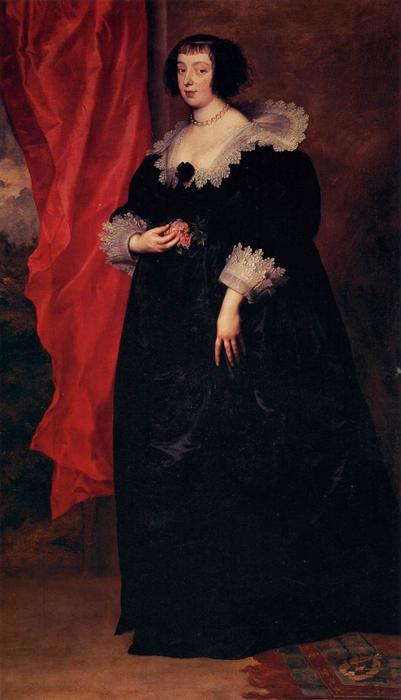
Sir Anthony van Dyck’s depiction of Margaret of Lorraine, Duchess of Orléans, transcends mere representation; it's a masterful distillation of aristocratic grace and humanist ideals characteristic of the Baroque period. Painted in 1634, this portrait captures not just a likeness but an essence – a woman radiating dignity and composure amidst opulent surroundings.
- Subject Matter: The painting portrays Margaret of Lorraine, a prominent figure in French royal history, known for her piety and diplomatic prowess. Her serene gaze directs the viewer’s attention inward, conveying inner strength and spiritual contemplation.
- Style & Technique: Van Dyck employed his signature style—characterized by soft lighting, subtle modeling, and meticulous detail—to achieve an unparalleled level of realism. The artist skillfully utilized oil paint on canvas, layering translucent glazes to create a luminous surface that captures the nuances of skin tone and drapery folds.
- Historical Context: Created during Margaret’s reign as Duchess of Orléans, this artwork reflects the artistic fervor of Antwerp and Brussels at the time—centers of Baroque innovation. Rubens' influence is palpable in the composition’s dynamism and expressive handling of color, demonstrating the collaborative spirit prevalent within the Flemish art scene.
- Symbolism: The inclusion of a single rose held delicately in Margaret’s hand serves as a potent symbol of purity and devotion—a testament to her unwavering faith. Furthermore, the carefully arranged curtains contribute to an atmosphere of refined elegance, reinforcing the portrait's status as a celebration of aristocratic beauty and virtue.
- Emotional Impact: Viewing this artwork evokes feelings of tranquility and admiration for Margaret’s noble character. Van Dyck’s masterful technique successfully conveys not only her physical appearance but also her inner spirit—a woman embodying grace, intelligence, and moral fortitude.
The photograph accompanying the painting showcases a beautifully preserved piece housed within a stately gallery setting. The muted tones of the walls and curtains complement Margaret's attire, enhancing the overall impression of sophistication.
Further Research Recommendations:
Discover more about Sir Anthony van Dyck’s artistic legacy: Anthony van Dyck