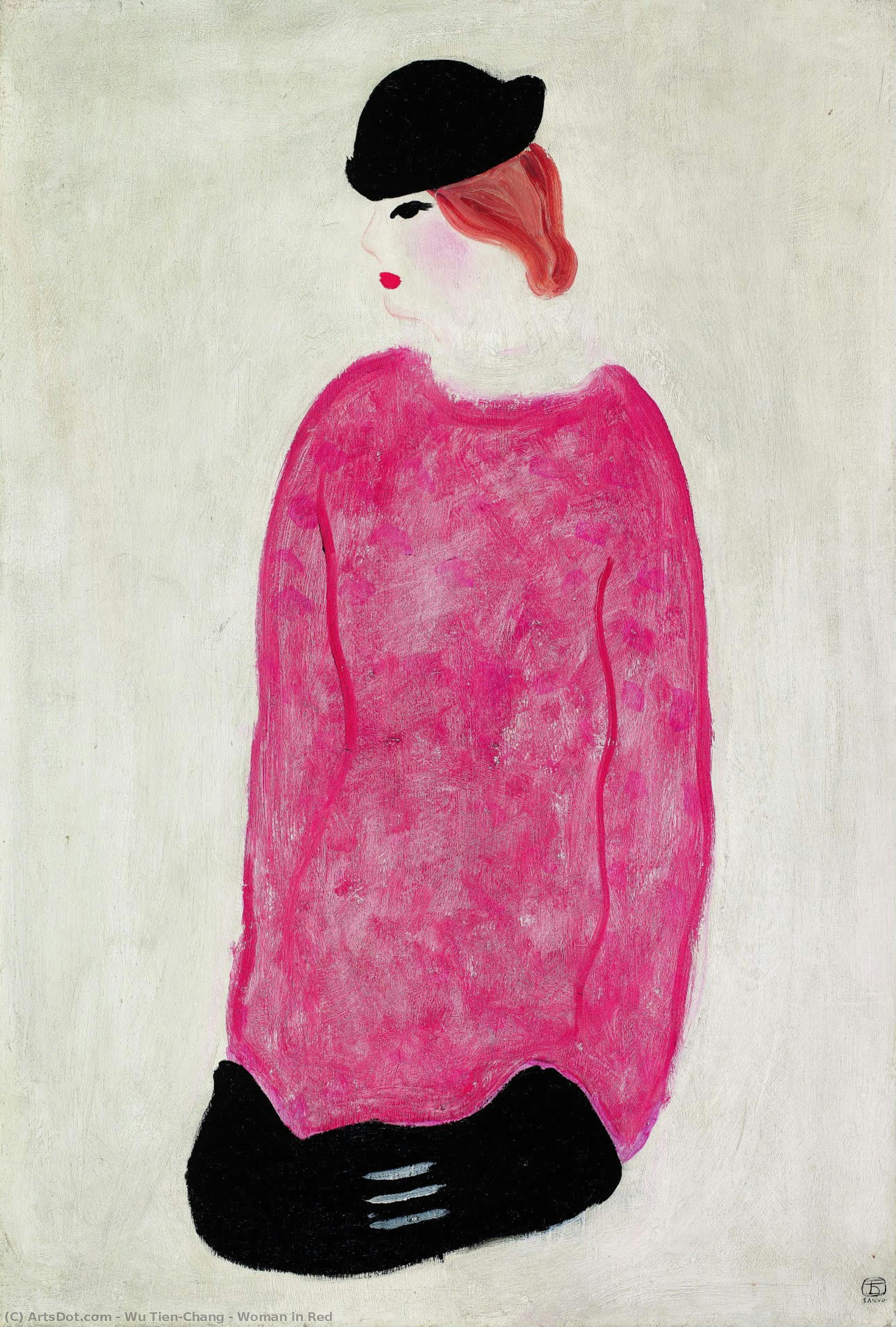
Explore las pinturas al óleo y la fotografía digital sociopolítica de Wu Tien-Chang que reflejan la transición de Taiwán. Sea testigo de un poderoso comentario sobre la sociedad y la historia.
El Museo Long West Bund ofrece una impresionante colección artística con enfoque en diseño arquitectónico vanguardista y una visión innovadora sobre la cultura china. Explora sus espacios excepcionales y descubre nuevas perspectivas.
Chang Yu, initially named Chang Youshu, was born in Shunqing, Sichuan province. Aged 13, he began to study Chinese painting from his father Chang Shufang and was once a student of Zhao Xi, a famous calligrapher in Sichuan. When he was in Japan in 1918 and 1919, he exhibited his works of calligraphy in Tokyo. Chang went for studies in Grande Chaumière art academy (Académie de la Grande Chaumière) in France in 1921, and founded the Heavenly Dog Society (tiangouhui) with Xu Beihong, Zhang Daofan, and other Chinese students in France. He was highly appreciated by Pierre-Henri Roché, an important collector, in 1929 and presented his works in several art galleries, besides attending many times the Autumn Salon and individual salons. Before the Second World War, Chang came back to China once, and in 1948, he departed France for the Untied States, where he was to live in New York for two years. That year, he held a solo exhibition in the Museum of Modern Art in New York. Chang mainly lived in Paris before he died in 1966 and only returned to China for a very brief period of time in 1938.