 Ver en contexto
 Enviar
 Compartir
 Detalles

 Descargar
 Similares
 Radiografía
 Presentación de diapositivas
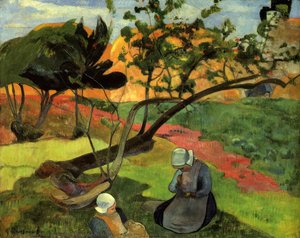
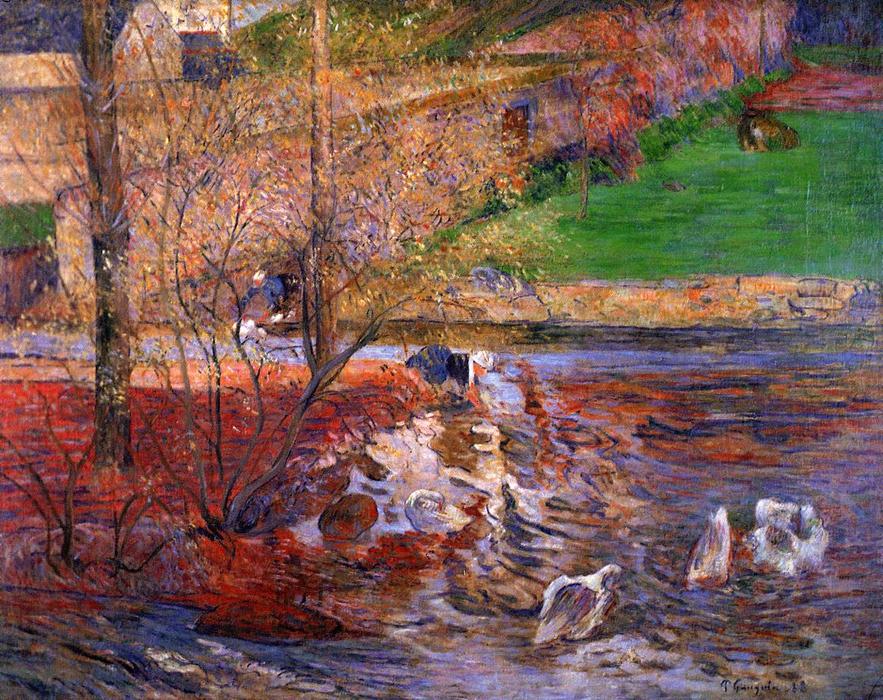
Paisaje con Gansos


 Ver más
Reproducción al óleo hecha a mano
Óleo sobre lienzo pintado a mano en el tamaño y marco de su elección, realizado por encargo por nuestros artistas. ( Comprar impresión Comprar imagen)




P118B $10

P118H $10

P118W $10

P438Z $10

P508JH $12

P508YH $12

P805H $10

P805Z $10

P919BZ $10

P919G $10

P919XJ $10

P959ZH $10

P968JZ $12

W106C $8

W218G $10

W218JH $8

W218Y $10

W307PJ $10

W316G $10

W316PJ $8

W316Y $10

W398PJ $8

W4111J $10

W500HY $15

W500JH $15

W692G $12

W849H $8

W940BG $15

W953PJ $8




Elija entre nuestros tamaños predefinidos que respetan las proporciones originales de la obra.

Puede ingresar sus propias dimensiones para adaptarse a un marco o espacio específico. Si el tamaño seleccionado no coincide con las proporciones de la imagen original, recortaremos la obra o extenderemos la pintura con elementos adicionales pintados a mano. Se le enviará una maqueta digital para su aprobación antes de comenzar la producción.
Tenga en cuenta que la vista previa en pantalla no refleja el recorte o la extensión reales. Solo la maqueta mostrará con precisión la composición final.
Si bien existen tamaños personalizados, recomendamos seleccionar una dimensión de la lista predefinida para preservar las proporciones originales.
Tras realizar el pedido, el equipo de ArtsDot.com enviará un correo electrónico al cliente para solicitar instrucciones y proporcionarle una vista previa del boceto.
Envío a todo el mundo () en 3-4 semanas en lugar de las 5 semanas estándar. (28 agosto). Sin comprometer la calidad.

Envío exprés gratuito a todo el mundo

Lienzo de lino de alta calidad

Seguro de envío total

Garantía de reembolso de impuestos aduaneros

Garantía de fidelidad cromática exacta

Política de devolución de 60 días (solo por defectos)

Garantía de devolución del 100% del dinero

Descuento por cantidad
 La opción de vidrio solo está disponible en tamaños inferiores a 110 cm.

Paisaje con Gansos
Técnica de reproducción
Dimensiones de la reproducción
-


Precio total final
$ 263
Paul Gauguin’s Serene Reflection: “Landscape with Geese”
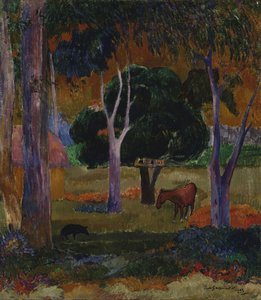
Paul Gauguin's "Landscape with Geese," painted in 1888, is more than just a depiction of a tranquil riverside scene; it’s a carefully constructed meditation on nature, humanity, and the artist’s own evolving artistic philosophy. This oil-on-canvas masterpiece, often referred to as “Goose Games,” exemplifies Gauguin's pivotal role in bridging the gap between Impressionism and the burgeoning Symbolist movement, revealing his unique approach to color, form, and emotional resonance. The painting immediately draws the viewer into a world of muted tones and subtle contrasts, dominated by the cool blues and greens of the water and sky, punctuated by the warm ochres and browns of the land. It’s a scene brimming with quiet observation, inviting contemplation on the relationship between man and his environment. The composition itself is deceptively simple yet profoundly effective. A meandering river flows through the heart of the landscape, reflecting the overcast sky like a liquid mirror. Scattered along its banks are ducks swimming peacefully, while a flock of geese – the painting’s namesake – navigate the water with purposeful grace. A solitary man stands near the bank, his posture suggesting either observation or perhaps an interaction with the birds; he is not imposing himself upon the scene but rather becoming part of it. To the left, a horse grazes contentedly, and in the distance, two figures are barely discernible, adding depth to the landscape without disrupting its serene atmosphere. Gauguin masterfully employs atmospheric perspective – objects recede into the background with subtle shifts in color and detail – creating a sense of vastness and distance that anchors the scene within a larger world. The inclusion of these secondary elements subtly hints at human presence and activity, reminding us that even in this seemingly untouched landscape, we are not entirely alone. Gauguin’s artistic journey was deeply intertwined with his desire to escape the constraints of academic art and explore new ways of representing reality. He was a key figure within *The Nabis* (Hebrew for “prophets”), an avant-garde group of young French artists who sought to break away from traditional styles and create works that were intensely personal and symbolic. The Nabis’ influence is readily apparent in "Landscape with Geese," particularly in Gauguin's bold use of color – a deliberate departure from the pastel hues favored by Impressionists. He employed colors not for their literal representation but rather for their emotional impact, creating a vibrant yet harmonious palette that evokes a sense of tranquility and nostalgia. His brushstrokes are loose and expressive, contributing to the painting’s overall feeling of immediacy and spontaneity. The texture of the paint itself is visible, adding another layer of tactile interest to the work. The symbolism within "Landscape with Geese" is layered and open to interpretation. The geese themselves could represent journeys, migration, or perhaps even a connection to ancestral roots – themes that resonated deeply with Gauguin’s own experiences and travels. The river, a recurring motif in his art, often symbolizes life's flow and the passage of time. The solitary man might embody introspection or a yearning for connection with nature. Gauguin frequently used landscapes as vehicles for exploring universal human emotions and spiritual themes, and “Landscape with Geese” is no exception. It’s a painting that invites viewers to project their own experiences and interpretations onto its surface, fostering a deeply personal engagement with the artwork. Beyond its aesthetic qualities, "Landscape with Geese" offers a fascinating glimpse into Gauguin's artistic development during his time in Brittany. The muted palette and simplified forms reflect his growing interest in synthesizing elements of Polynesian art – particularly the use of bold colors and flattened perspectives – with European traditions. This synthesis would become a defining characteristic of his later work, culminating in his iconic paintings from Tahiti. The painting’s enduring appeal lies not only in its beauty but also in its ability to transport us to a world of quiet contemplation and timeless serenity. ArtsDot offers meticulously crafted hand-painted reproductions that faithfully capture the essence of this remarkable artwork, allowing you to bring Gauguin's vision into your home or office.- High-Quality Reproduction:** Utilizing archival-quality materials and skilled artisans, our reproductions ensure exceptional color accuracy and detail.
- Custom Sizes Available:* We offer a wide range of sizes to suit your specific needs and preferences.
- Hand-Painted Option:* For the ultimate in authenticity, choose a hand-painted reproduction created by our talented team of artists.
Obras relacionadas

Biografía del artista
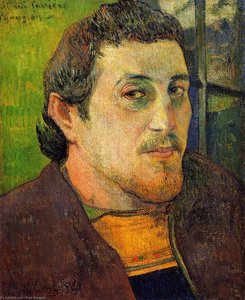
Eugène Henri Paul Gauguin: Una Vida en Color y Simbolismo
Primeros Años y Orígenes
- Nacido el 7 de junio de 1848 en París, Francia, Eugène Henri Paul Gauguin fue una figura compleja moldeada por una crianza inusual.
- Su padre era periodista y su madre provenía de una familia con raíces peruanas – su abuela materna, Flora Tristan, fue una pionera escritora feminista y socialista.
- En 1850, la familia se trasladó a Perú, donde Gauguin pasó cuatro años formativos inmerso en una cultura diferente. Esta experiencia influiría profundamente en su arte más adelante.
- Regresando a Francia después de la muerte de su padre, Gauguin recibió una educación formal pero finalmente eligió una carrera como corredor de bolsa.
De Corredor de Bolsa a Artista
- Gauguin comenzó a pintar como un pasatiempo en su tiempo libre, influenciado inicialmente por los impresionistas.
- Una crisis financiera en 1882 lo impulsó a abandonar su carrera empresarial y dedicarse por completo al arte.
- Estudió con Camille Pissarro, quien animó su desarrollo artístico e introdujo a otros pintores vanguardistas.
Desarrollo Artístico e Influencias
- El trabajo temprano de Gauguin reflejó las técnicas impresionistas, pero pronto buscó un estilo más expresivo y simbólico.
- Experimentó con colores audaces, formas planas y composiciones simplificadas, alejándose del naturalismo del Impresionismo.
- Sus viajes a Bretaña, Martinica y finalmente Tahití fueron cruciales para dar forma a su visión artística. Buscaba una vida más “primitiva”, creyendo que ofrecía mayor autenticidad espiritual.
- Se vio influenciado por las estampas japonesas (Japonismo) y el arte medieval, lo que contribuyó a su estética distintiva.
Período Tahitiano y Obras Maestras
- Gauguin llegó a Tahití en 1891, buscando refugio de la civilización europea e inspiración en la cultura polinesia.
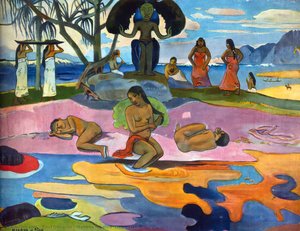
- Este período marcó el apogeo de su creatividad artística, produciendo pinturas icónicas como “Vahine no te miti”, “Manao Tupapau” (Observado por el Espíritu de los Muertos) y “El Día de los Dioses”.
- Sus obras tahitianas se caracterizan por colores vibrantes, temas exóticos y un sentido de misterio y espiritualidad.
- A menudo representaba a mujeres polinesias, paisajes y creencias religiosas, interpretándolos a través de su propia lente simbólica.
Vida Tardía y Dificultades
- Gauguin enfrentó dificultades financieras y problemas de salud durante su tiempo en Tahití y más tarde en las Islas Marquesas.
- A pesar de estos desafíos, continuó pintando prolíficamente, explorando temas de vida, muerte y espiritualidad.
- Murió el 8 de mayo de 1903 en la isla de Hiva Oa en las Islas Marquesas.
Legado e Importancia Histórica
- La obra de Gauguin fue en gran medida no reconocida durante su vida, pero ganó aplausos póstumos después de su muerte.
- Ahora se considera una figura clave en el desarrollo del arte moderno, conectando la brecha entre el Impresionismo y el Simbolismo.
- Su uso del color, las formas simplificadas e imágenes simbólicas influyeron a numerosos artistas, incluyendo Pablo Picasso, Henri Matisse y los Fauves.
- La exploración de Gauguin de culturas “primitivas” y su rechazo a las convenciones artísticas occidentales continúan siendo debatidas e reinterpretadas hoy en día.
- Sigue siendo una figura controvertida debido a aspectos de su vida personal, pero sus contribuciones artísticas son innegables.
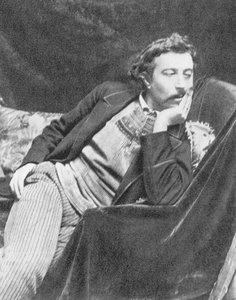
eugène henri paul gauguin
1848 - 1903 , Francia
Datos clave
- Artistic Movement Or Style: Postimpresionismo
- Artists Or Movements Influenced By This Artist:
- Picasso
- Matisse
- Artists Who Influenced This Artist: ['Pissarro']
- Date Of Birth: 1848
- Date Of Death: 1903
- Full Name: Eugène Henri Paul Gauguin
- Nationality: Francés
- Notable Artworks:
- Vahine no te miti
- Manao Tupapau
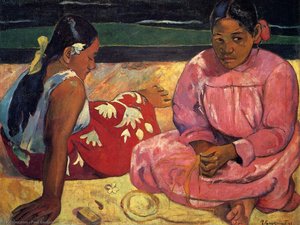
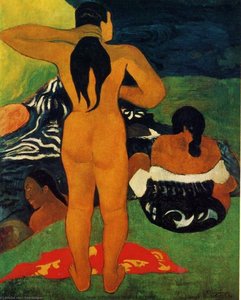
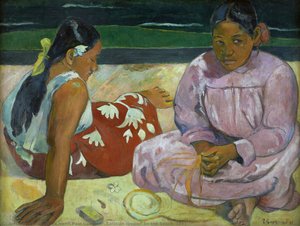
- Dos Mujeres en la Playa
- Place Of Birth: París, Francia
Artículos relacionados

Paul Cézanne: Las 25 Obras Maestras que Definieron el Arte Moderno | ArtsDot
Descubre las 25 obras maestras de Paul Cézanne que revolucionaron el arte moderno. Explora su técnica, inspiración y significado en paisajes, bodegones y retratos. Reproducciones de alta calidad para decorar tu hogar con arte inolvidable. ¡Explora la colección completa en ArtsDot.com!
Paul Klee: Las 25 Obras Maestras que Definen un Genio del Arte Moderno | ArtsDot
Descubre las 25 obras maestras de Paul Klee, el genio del arte moderno. Explora su expresionismo único, composiciones abstractas y vibrantes paletas de colores. Reproducciones de alta calidad y decoración con arte en ArtsDot.com.

Los 10 Maestros del Paisaje Impresionista: Obras que Cambiaron la Historia del Arte
Descubre los 10 lienzos impresionistas que revolucionaron el arte. Monet, Renoir y más… Explora la historia, técnica y belleza de cada obra maestra. Encuentra reproducciones de alta calidad para tu hogar en ArtsDot.com.
Impresionismo: 10 Obras Maestras que Capturan la Luz y el Momento
Descubre 10 obras maestras del impresionismo de Monet, Renoir y Degas. Explora la luz, el color y las historias detrás de estos icónicos cuadros. Reproducciones de arte en ArtsDot.com para decorar tu hogar con estilo.

Evocations of Place: A Historical Journey Through Landscape Art
Explore the rich history of landscape art with ArtsDot. Discover renowned artists, movements like Impressionism & Romanticism, and expert guidance for collecting timeless pieces. Find your perfect serene escape today!