 Ver en contexto
 Enviar
 Compartir
 Detalles

 Descargar
 Similares
 Radiografía
 Presentación de diapositivas
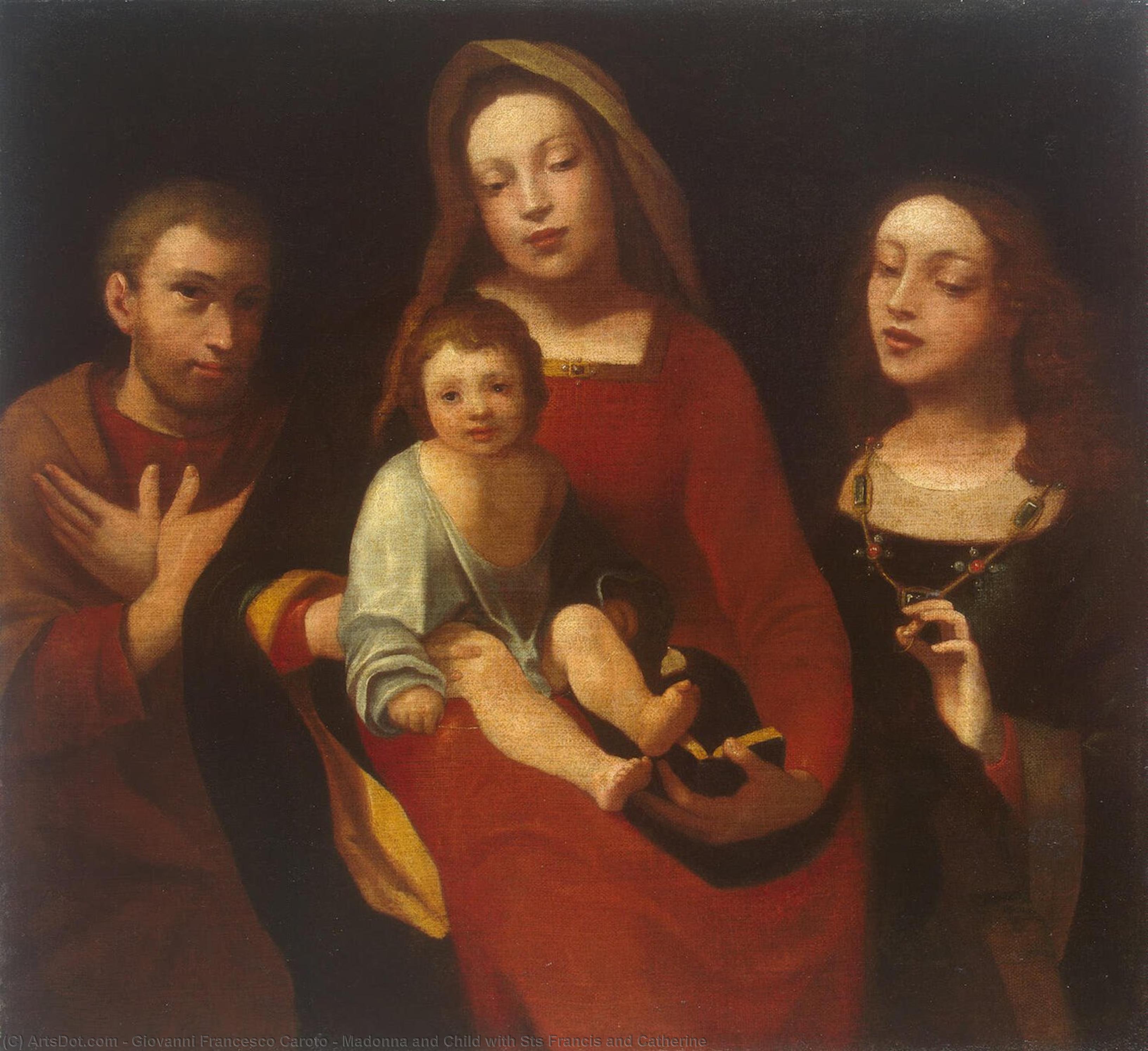
Madonna and Child with Sts Francis and Catherine
 Óleo sobre lienzo
- Arte de pared
- Mannerism
 1523
1523 70.0 x 76.0 cm
 Museo del Hermitage
 Ver más
Reproducción al óleo hecha a mano
Óleo sobre lienzo pintado a mano en el tamaño y marco de su elección, realizado por encargo por nuestros artistas. ( Comprar impresión Comprar imagen)




P118B $10

P118H $10

P118W $10

P438Z $10

P508JH $12

P508YH $12

P805H $10

P805Z $10

P919BZ $10

P919G $10

P919XJ $10

P959ZH $10

P968JZ $12

W106C $8

W218G $10

W218JH $8

W218Y $10

W307PJ $10

W316G $10

W316PJ $8

W316Y $10

W398PJ $8

W4111J $10

W500HY $15

W500JH $15

W692G $12

W849H $8

W940BG $15

W953PJ $8




Elija entre nuestros tamaños predefinidos que respetan las proporciones originales de la obra.

Puede ingresar sus propias dimensiones para adaptarse a un marco o espacio específico. Si el tamaño seleccionado no coincide con las proporciones de la imagen original, recortaremos la obra o extenderemos la pintura con elementos adicionales pintados a mano. Se le enviará una maqueta digital para su aprobación antes de comenzar la producción.
Tenga en cuenta que la vista previa en pantalla no refleja el recorte o la extensión reales. Solo la maqueta mostrará con precisión la composición final.
Si bien existen tamaños personalizados, recomendamos seleccionar una dimensión de la lista predefinida para preservar las proporciones originales.
Tras realizar el pedido, el equipo de ArtsDot.com enviará un correo electrónico al cliente para solicitar instrucciones y proporcionarle una vista previa del boceto.
Envío a todo el mundo () en 3-4 semanas en lugar de las 5 semanas estándar. (24 agosto). Sin comprometer la calidad.

Envío exprés gratuito a todo el mundo

Lienzo de lino de alta calidad

Seguro de envío total

Garantía de reembolso de impuestos aduaneros

Garantía de fidelidad cromática exacta

Política de devolución de 60 días (solo por defectos)

Garantía de devolución del 100% del dinero

Descuento por cantidad
 La opción de vidrio solo está disponible en tamaños inferiores a 110 cm.

Madonna and Child with Sts Francis and Catherine
Técnica de reproducción
Dimensiones de la reproducción
-


Precio total final
$ 263
Descripción de la obra
Giovanni Francesco Caroto’s “Madonna and Child with Sts Francis and Catherine” – A Symphony of Mannerist Grace
The year 1523 marks a pivotal moment in the artistic landscape of Venice, a period defined by the burgeoning influence of Mannerism. Within this vibrant milieu emerged Giovanni Francesco Caroto, an artist whose skill lay not merely in replicating reality but in subtly distorting it – elevating observation to a deeply expressive art form. His “Madonna and Child with Sts Francis and Catherine” is a testament to this approach, a painting that transcends mere portraiture to become a profound meditation on faith, family, and the delicate balance between earthly devotion and spiritual contemplation.
The composition itself immediately draws the eye. The central figures – the Virgin Mary cradling the Christ Child – are rendered with an exquisite softness, their features subtly idealized yet imbued with a palpable sense of humanity. Mary’s pose is not one of rigid piety but rather a gentle yielding, her gaze direct and compassionate. The infant Jesus, nestled securely in her arms, possesses an almost ethereal quality, his expression serene and innocent. Framing this intimate scene are the saints Francis and Catherine – figures chosen for their association with humility and devotion. Francis, depicted with his characteristic simple habit and a contemplative air, offers a counterpoint to Catherine’s more formal attire and earnest gaze. The arrangement isn't merely decorative; it establishes a dynamic interplay between earthly and heavenly realms, suggesting a harmonious union of the sacred and the secular.
A Masterclass in Venetian Mannerism
Caroto’s mastery lies not just in his subject matter but also in his technical execution. The painting is executed in oil on wood, a medium that allowed for rich color saturation and subtle gradations of tone – hallmarks of Venetian artistry at the time. Notice the careful layering of pigments, creating an illusion of depth and volume. The drapery, particularly Mary’s flowing robes, is rendered with meticulous detail, each fold and pleat meticulously defined. However, Caroto deliberately avoids strict realism. Figures are slightly elongated, their proportions subtly distorted – a characteristic feature of Mannerism that emphasizes elegance and expressiveness over precise anatomical accuracy. The background is painted in a muted palette, providing a soft, atmospheric backdrop for the central figures. This strategic use of color and space directs the viewer’s attention to the heart of the composition: the Virgin and Child.
The influence of Leonardo da Vinci is palpable in Caroto's approach to light and shadow. Like Da Vinci, he employs sfumato – a technique that involves blurring outlines and softening edges – to create an atmosphere of mystery and serenity. The subtle gradations of light and dark contribute significantly to the painting’s emotional impact, evoking a sense of quiet contemplation and spiritual grace.
Symbolism and Spiritual Resonance
Beyond its aesthetic qualities, “Madonna and Child with Sts Francis and Catherine” is rich in symbolic meaning. The inclusion of St. Francis, known for his embrace of poverty and simplicity, underscores the importance of humility and selfless service – values central to Christian faith. Similarly, St. Catherine, a martyr renowned for her unwavering devotion, represents the ultimate sacrifice made in the name of God. The painting can be interpreted as an allegory of the Virgin Mary’s role as both mother and mediator between humanity and the divine.
The presence of the bird perched on Mary's shoulder is another intriguing detail. Birds are frequently associated with the Holy Spirit, symbolizing divine grace and inspiration. Its inclusion here reinforces the painting’s spiritual themes, suggesting that Mary is a conduit for God’s love and guidance. The overall effect is one of profound serenity and spiritual resonance – an invitation to contemplate the mysteries of faith and the enduring power of family bonds.
A Timeless Treasure: Reproduction and Legacy
Reproductions of Caroto's “Madonna and Child with Sts Francis and Catherine” offer a remarkable opportunity to bring this masterpiece into any home or office. The painting’s delicate balance of color, form, and symbolism continues to captivate viewers centuries after its creation. Whether adorning a private study or gracing the walls of a corporate space, this artwork evokes a sense of peace, reverence, and timeless beauty. Its enduring appeal lies in Caroto's ability to capture not just a likeness but also the very essence of human emotion and spiritual aspiration.
Obras relacionadas
Biografía del artista
El visionario veronés: La vida y el legado de Giovanni Francesco Caroto
En el vibrante tapiz del Renacimiento italiano, pocos hilos están tan intrincadamente tejidos como los que dejó Giovanni Francesco Caroto. Nacido en Verona alrededor de 1480, Caroto emergió de un paisaje profundamente influenciado por las rigurosas tradiciones clásicas de Mantegna. Sus primeros años fueron moldeados por la tutela de Liberale da Verona, un periodo que le inculcó un profundo respeto por la precisión anatómica y una grandeza monumental y contenida. Esta formación fundacional proporcionó el andamiaje técnico sobre el cual más tarde construiría un estilo mucho más fluido, expresivo y experimental que las estructuras rígidas de sus predecesores.
A medida que el viaje de Caroto lo llevó más allá de las fronillas de Verona, su alma artística experimentó una evolución transformadora. Su estancia en Milán resultó ser un momento decisivo, situándolo ante la presencia de los intelectos y creadores más formidables de la época. Las sombras sutiles y la profundidad atmosférica de Leonardo da Vinci, combinadas con la gracia armoniosa de Rafael, actuaron como catalizadores del cambio. A través de estos encuentros, Caroto comenzó a alejarse de la perfección estática del Renacimiento temprano, abrazando en su lugar las crecientes complejidades del Manierismo. Esta transición estuvo marcada por un nuevo interés en la tensión compositiva, las formas alargadas y un uso más emotivo de la luz y el color que definiría su periodo de madurez.
Maestría de la forma y el giro manierista
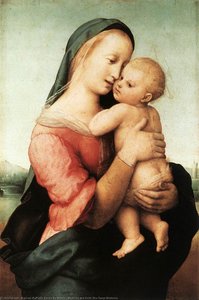
La brillantez de la obra de Caroto reside en su capacidad para equilibrar el naturalismo de su formación con la elegancia estilizada del movimiento manierista. Sus obras a menudo sirven como un puente entre dos eras, capturando la belleza divina del Alto Renacimiento mientras sugieren las distorsiones dramáticas de finales del siglo XVI. En obras maestras como Madonna y Niño, se puede observar una síntesis impresionante de ricas paletas cromáticas venecianas y un profundo sentido de intimidad espiritual. Poseía un talento único para representar la figura humana con peso físico y, al mismo tiempo, con una gracia etérea, casi de otro mundo.
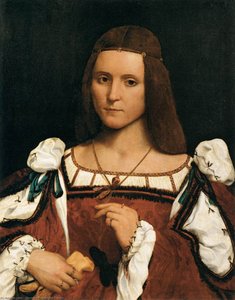
La destreza técnica de Caroto se extendió al reino del retrato, donde capturó la profundidad psicológica de sus sujetos con una sensibilidad notable. Su Retrato de una mujer se erige como un testimonio de su capacidad para utilizar la textura, la luz y las sutiles expresiones faciales para transmitir carácter y estatus. Este dominio del detalle no era meramente decorativo; era una exploración de los ideales humanistas, buscando hallar lo eterno dentro del individuo. Ya fuera representando figuras sagradas o a la nobleza contemporánea, Caroto infundió sus lienzos con un sentido de movimiento y vida que resonaba mucho más allá del marco.
Una influencia perdurable en la escuela veneciana
Más allá de sus logros individuales, la importancia histórica de Caroto se consolida por su papel como conducto vital para la innovación artística. No fue simplemente un practicante del arte, sino un custodio de su futuro. Junto a Antonio Badile, Caroto desempeñó un papel crucial en el cultivo de la siguiente generación de maestros. Cabe destacar especialmente que fue maestro de Paolo Veronese, uno de los pintores más célebres de la escuela veneciana. Al transmitir sus técnicas refinadas y su espíritu experimental, Caroto aseguró que los avances estilísticos que ayudó a iniciar florecieran en las obras de los grandes sucesores manieristas.
El legado de Giovanni Francesco Caroto se encuentra en la vitalidad perdurable del Renacimiento veneciano. La obra de su vida representa un periodo de intenso fermento intelectual y estético, donde los límites de la tradición fueron puestos a prueba y expandidos. A través de su capacidad para absorber las influencias de gigantes como Da Vinci y Rafael mientras forjaba su propio camino, ayudó a dar forma al lenguaje visual de toda una época. Hoy, al contemplar sus obras supervivientes en museos de todo el mundo, somos testigos del poder imperecedero de un maestro que se atrevió a abrazar el cambio, dejando tras de sí un rastro de belleza que continúa inspirando asombro.
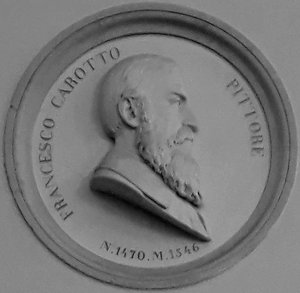
Giovanni Francesco Caroto
1480 - 1555 , Italia
Datos clave
- Artistic Movement Or Style: Renaissance; Mannerism
- Artists Who Influenced This Artist:
- Liberale da Verona
- Andrea Mantegna
- Francesco Bonsignori
- Leonardo da vinci
- raphael
- giulio romano
- Date Of Birth: Verona, Italy (1488)
- Date Of Death: Verona, Italy (1563/1566)
- Full Name: Giovanni Battista Caroto
- Nationality: Italian
- Notable Artworks:
- Madonna and Child
- St jerome
- Virgin with Jesus and Saints
- Place Of Birth: Verona
Artículos relacionados

Francis Bacon: Las 25 Obras Maestras del Expresionismo y su Impacto en el Arte Moderno
Explora las 25 obras maestras de Francis Bacon, el expresionismo visceral y la angustia humana. Descubre retratos icónicos, trípticos impactantes y su legado en el arte moderno. Reproducciones de museo en ArtsDot.com.
Rafael: Las 25 Obras Maestras que Definen al Genio del Renacimiento | ArtsDot
Descubre las 25 obras maestras de Rafael Sanzio, el genio del Renacimiento. Explora su historia, técnica y significado en pinturas icónicas como 'La Escuela de Atenas'. Reproducciones de arte de alta calidad para decorar tu hogar con elegancia. ¡Explora la colección completa en ArtsDot.com!
Los 25 Tesoros del Uffizi: Arte Renacentista para tu Hogar | ArtsDot
Descubre los 25 tesoros del Uffizi en Florencia: Botticelli, Leonardo da Vinci y más. Explora la historia, el arte renacentista y encuentra reproducciones de alta calidad para tu hogar. ¡Inspírate con ArtsDot.com!
Fra Angelico: Las 25 Obras Maestras del Renacimiento para Decorar con Arte y Fe
Descubre las 25 obras maestras de Fra Angelico, el pintor renacentista que llenó el arte sacro de luz y fe. Explora su técnica, simbolismo y belleza en frescos e iconos. Encuentra reproducciones de alta calidad para decorar tu hogar con ArtsDot.com.
El Greco: Las 25 Obras Maestras que Definen un Genio del Arte y la Fe
Descubre las 25 obras maestras de El Greco, el genio del Renacimiento español. Explora su arte religioso, manierismo y la historia detrás de cuadros icónicos como 'El Entierro del Conde de Orgaz'. Encuentra reproducciones de alta calidad en ArtsDot.com.