 Ver en contexto
 Enviar
 Compartir
 Detalles

 Descargar
 Similares
 Radiografía
 Presentación de diapositivas
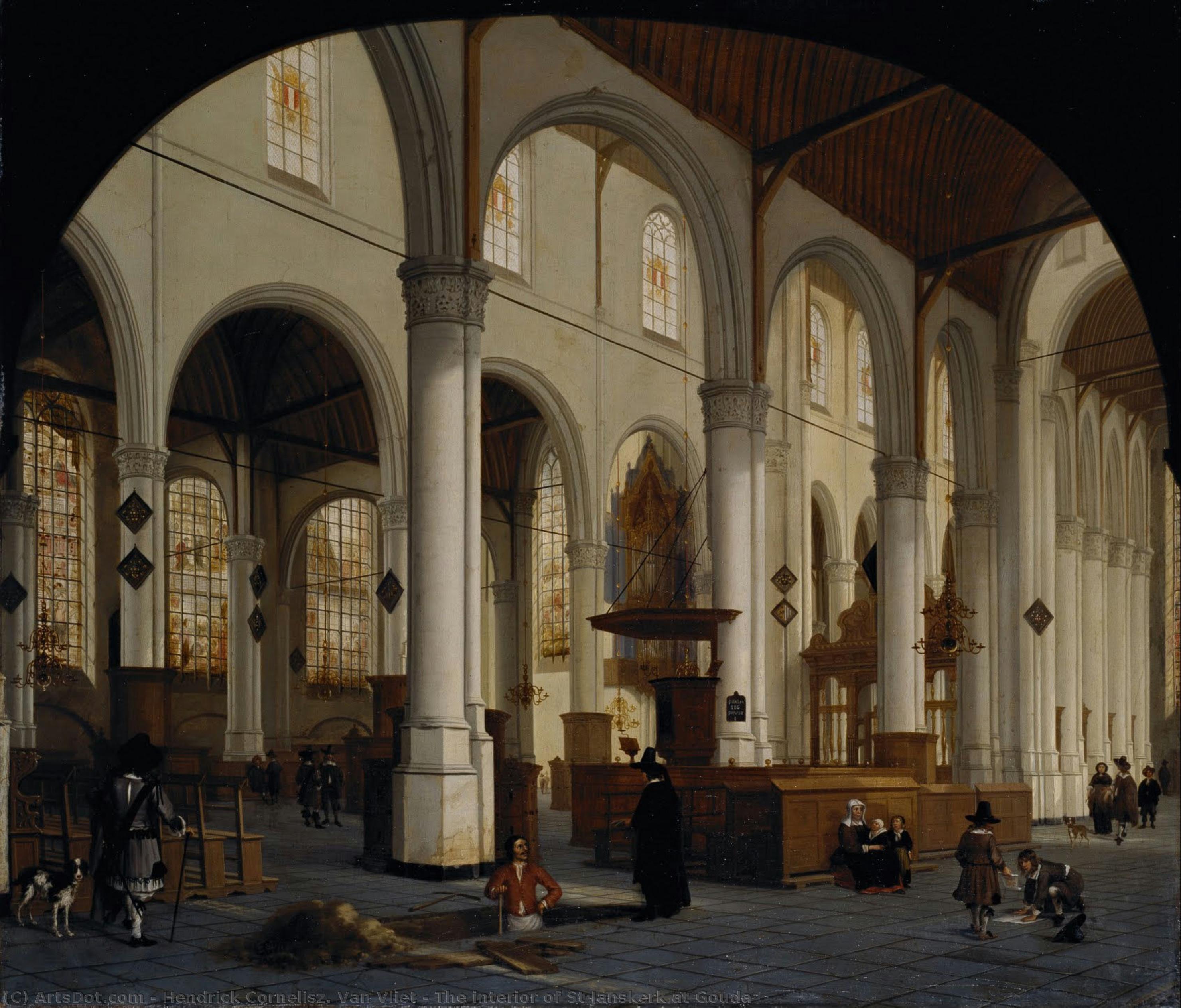
The interior of St Janskerk at Gouda
 Oil On Canvas
- WallArt
- Dutch Golden Age Realism
 1662
1662 110.0 x 128.0 cm
 Galería Nacional de Victoria
 Ver más
Reproducción al óleo hecha a mano
Óleo sobre lienzo pintado a mano en el tamaño y marco de su elección, realizado por encargo por nuestros artistas. ( Comprar impresión Comprar imagen)




P118B $10

P118H $10

P118W $10

P438Z $10

P508JH $12

P508YH $12

P805H $10

P805Z $10

P919BZ $10

P919G $10

P919XJ $10

P959ZH $10

P968JZ $12

W106C $8

W218G $10

W218JH $8

W218Y $10

W307PJ $10

W316G $10

W316PJ $8

W316Y $10

W398PJ $8

W4111J $10

W500HY $15

W500JH $15

W692G $12

W849H $8

W940BG $15

W953PJ $8




Elija entre nuestros tamaños predefinidos que respetan las proporciones originales de la obra.

Puede ingresar sus propias dimensiones para adaptarse a un marco o espacio específico. Si el tamaño seleccionado no coincide con las proporciones de la imagen original, recortaremos la obra o extenderemos la pintura con elementos adicionales pintados a mano. Se le enviará una maqueta digital para su aprobación antes de comenzar la producción.
Tenga en cuenta que la vista previa en pantalla no refleja el recorte o la extensión reales. Solo la maqueta mostrará con precisión la composición final.
Si bien existen tamaños personalizados, recomendamos seleccionar una dimensión de la lista predefinida para preservar las proporciones originales.
Tras realizar el pedido, el equipo de ArtsDot.com enviará un correo electrónico al cliente para solicitar instrucciones y proporcionarle una vista previa del boceto.
Envío a todo el mundo () en 3-4 semanas en lugar de las 5 semanas estándar. (30 agosto). Sin comprometer la calidad.

Envío exprés gratuito a todo el mundo

Lienzo de lino de alta calidad

Seguro de envío total

Garantía de reembolso de impuestos aduaneros

Garantía de fidelidad cromática exacta

Política de devolución de 60 días (solo por defectos)

Garantía de devolución del 100% del dinero

Descuento por cantidad
 La opción de vidrio solo está disponible en tamaños inferiores a 110 cm.

The interior of St Janskerk at Gouda
Técnica de reproducción
Dimensiones de la reproducción
-


Precio total final
$ 388
A Serene Reflection on Mortality: Hendrick van Vliet’s ‘Interior of St Janskerk at Gouda’
Hendrick Cornelisz van Vliet stands as a beacon of Dutch Golden Age artistry, his legacy cemented by paintings that transcend mere visual representation—they embody the spirit of an era and grapple with profound philosophical themes. Among his oeuvre, “The Interior of St Janskerk at Gouda,” completed in 1662, remains particularly captivating, offering a glimpse into both artistic mastery and the intellectual currents shaping seventeenth-century Europe. This monumental canvas, measuring 110 x 128 cm, is housed within the National Gallery of Victoria’s collection, serving as a testament to its enduring beauty and scholarly significance.A Masterpiece of Perspective and Symbolism
Van Vliet's dedication to capturing architectural grandeur is evident in every brushstroke. Executed with meticulous precision in oil on canvas—a technique favored for its ability to achieve luminous surfaces and subtle tonal gradations—the painting exemplifies the principles of atmospheric perspective, skillfully conveying depth and spatial illusion. The artist’s masterful use of foreshortening draws the viewer's gaze towards the distant altar, creating a convincing sense of recession that mirrors the physical reality of St Janskerk itself. However, beyond mere technical prowess lies a deeper symbolic resonance. The inclusion of a gravedigger excavating a skull and bones—a ‘memento mori’ motif—immediately confronts the viewer with the inescapable truth of mortality, prompting contemplation on the brevity of human existence against the backdrop of timeless faith.Historical Context: Calvinist Austerity and Artistic Innovation
“The Interior of St Janskerk at Gouda” emerged during a pivotal moment in Dutch history – the Reformation’s impact on religious life. Following the Dissolution of monasteries in 1568, Protestant churches like St Janskerk underwent significant transformations, stripping away opulent decorations and embracing a stark austerity reflective of Calvinist dogma. Van Vliet's depiction captures this atmosphere perfectly, portraying the church walls as whitewashed and bare, illuminated by diffused light filtering through arched windows. This deliberate choice underscores not only the stylistic conventions of the time but also the artist’s engagement with theological ideas—a hallmark of Dutch Golden Age art. As noted in Ted Gott’s “Painting and sculpture before 1800,” this artwork exemplifies "the Calvinist austerity prevalent in the artist’s day."Color Palette and Artistic Technique: Restraint and Illusion
The painting's color palette is deliberately subdued, dominated by creams and whites that echo the church’s austere interior. Subtle variations of grey and brown are present in architectural details—the wooden pulpit and organ—creating a harmonious tonal balance. Accents of red appear in the gravedigger’s coat, providing visual contrast without disrupting the overall mood. Van Vliet's meticulous brushwork contributes to the painting’s remarkable realism, capturing the textures of stone and wood with astonishing accuracy. The artist skillfully blended pigments to achieve luminous effects—particularly noticeable on the walls and windows—enhancing the sense of spaciousness and serenity that characterizes St Janskerk.Emotional Impact: A Meditation on Faith and Mortality
Ultimately, “The Interior of St Janskerk at Gouda” transcends its formal qualities to evoke a profound emotional response. It invites viewers to contemplate the enduring themes of faith and mortality, prompting reflection on the human condition. The painting’s serene atmosphere—combined with the unsettling presence of the gravedigger—creates a compelling juxtaposition that underscores the importance of confronting existential questions. Van Vliet's masterpiece continues to inspire admiration for its artistic brilliance and intellectual depth, securing its place as one of the most significant achievements of Dutch Baroque art.Obras relacionadas



Biografía del artista
Hendrick Corneliszoon van Vliet
Hendrick Corneliszoon van Vliet (1611/1612, Delft – buried October 28, 1675, Delft) fue un pintor holandés de la Edad Dorada neerlandesa cuya obra más destacada es su representación de interiores religiosos flamencos. Nacido en Delft alrededor de 1611, la vida de Van Vliet fue una prueba de su pasión por capturar la belleza y serenidad de las instituciones religiosas.Primeros años y formación artística
Van Vliet comenzó su viaje artístico bajo la guía de su tío, Willem van der Vliet. Esta formación inicial no solo perfeccionó sus habilidades sino que también inculcó en él un profundo conocimiento de la perspectiva, una técnica esencial para representar el espacio tridimensional con precisión. Admisionado a la Compañía de Pintores de Delft en 1632, su obra temprana se caracterizó por una atención meticulosa al detalle arquitectónico, reflejando las tendencias artísticas de la época y anticipándose a otros artistas importantes como Pieter Saenredam, quien introdujo innovadoras técnicas de perspectiva. Esta maestría fue fundamental para crear obras que transmitieran la atmósfera y profundidad del entorno representado.Evolución artística y obras notables
A medida que avanzaba su carrera, el paleta de Van Vliet se amplió más allá del paisaje, explorando también la pintura retrato y colaborando con Michiel Jansz van Mierevelt en proyectos conjuntos. Sin embargo, fue precisamente su enfoque en los interiores religiosos donde consolidó su fama como maestro. Entre sus obras más significativas destacan:- Interior de la Oude Kerk en Delft: Esta impresionante representación captura magistralmente la luz y la sombra, creando una sensación de espacio profundo y atmósfera espiritual que sigue fascinando a los visitantes hasta nuestros días.
- Vista interior de la iglesia de San Bavaro en Haarlem durante la misa: Van Vliet logró plasmar con gran sensibilidad el ambiente religioso de la ceremonia católica, mostrando un conocimiento detallado de las normas arquitectónicas y simbólicas de la época.
- Viejo templo en Delft con el monumento funerario del admiral Tromp: Esta obra histórica destaca por su atención al detalle arquitectónico y escultórico, ofreciendo una visión evocadora de la vida cotidiana en Delft durante el siglo XVII.
Legado e influencia
El impacto de Van Vliet en el arte holandés es indiscutible. Su meticulosa atención al detalle y su innovadora aplicación de la perspectiva influyeron profundamente en otros pintores, estableciendo nuevos estándares técnicos y estéticos que marcaron el curso de la pintura barroca neerlandesa. Más allá de sus logros individuales, Van Vliet contribuyó a definir una estética asociada con la belleza clásica y la armonía espacial, dejando un testimonio artístico excepcional para los siglos siguientes. Su obra sigue inspirando artistas y amantes del arte en todo el mundo, ofreciendo una ventana al espíritu creativo de una época dorada en la historia europea.
Hendrick Cornelisz van Vliet
1611 - 1675 , Países Bajos
Datos clave
- Artistic Movement Or Style: Dutch Golden Age
- Artists Who Influenced This Artist:
- Willem van der Vliet
- Michiel Jansz van Mierevelt
- Date Of Birth: ca. 1611
- Date Of Death: October 28, 1675
- Full Name: Hendrick Corneliszoon van Vliet
- Nationality: Dutch
- Notable Artworks:
- Interior of the oude kerk in Delft
- View inside the saint bavo church in haarlem
- Old church in Delft with the tomb of admiral tromp
- Place Of Birth: Delft, Netherlands
Artículos relacionados

Los 10 Maestros del Siglo de Oro Holandés: Arte, Historia y Decoración Exclusiva
Descubre los 10 imprescindibles del Siglo de Oro Holandés: Rembrandt, Vermeer y más. Explora la historia, técnica y belleza de estos lienzos clásicos. Encuentra reproducciones de arte exclusivas para decorar tu hogar en .

Rembrandt van Rijn: Las 25 Obras Maestras que Definen un Genio | Arte, Historia y Decoración
Descubre las 25 obras maestras de Rembrandt van Rijn, el genio del barroco holandés. Explora su historia, técnica y simbolismo en retratos icónicos como 'La Ronda Nocturna'. Encuentra reproducciones de arte exclusivas para decorar tu hogar con ArtsDot.com.

Reflejos de una Época Dorada: La Pintura Barroca Holandesa y la Innovación Cultural
Descubra la riqueza y el detalle de la pintura barroca holandesa del Siglo de Oro. Explore las obras maestras de Rembrandt, Vermeer y otros artistas clave. Análisis experto e historia cultural.
Willem van de Velde the Elder: Master of Maritime Painting & Chronicler of the Dutch Golden Age
Discover the captivating maritime paintings of Willem van de Velde the Elder, a master chronicler of the Dutch Golden Age. Explore his unparalleled realism and lasting influence on naval art history.

La Luz y la República: Innovación Artística en el Siglo de Oro Neerlandés
Descubra la innovación artística del Siglo de Oro Neerlandés. Explore las obras maestras de Rembrandt y Vermeer, técnicas revolucionarias y el legado perdurable de este florecimiento cultural. ¡Sumérjase en la luz y la belleza!