

 Ver en contexto
 Comprar impresión
 Enviar
 Compartir


 Descargar
 Similares
 Radiografía
 Presentación de diapositivas
The sofa Sun


A Moment of Intimacy – The Essence of Lautrec’s Montmartre
Henri de Toulouse-Lautrec's "The Sofa" isn't merely a depiction of two women reclining; it’s a meticulously crafted snapshot of Parisian life at the turn of the 20th century. Painted in 1892, during his most prolific period, this work exemplifies Lautrec’s unique ability to capture not just appearances but the very soul of Montmartre – its vibrant energy, its hidden corners, and the transient beauty of its inhabitants. The scene unfolds within a richly furnished room, dominated by a substantial sofa that anchors the composition, drawing the viewer's eye into the intimate tableau.
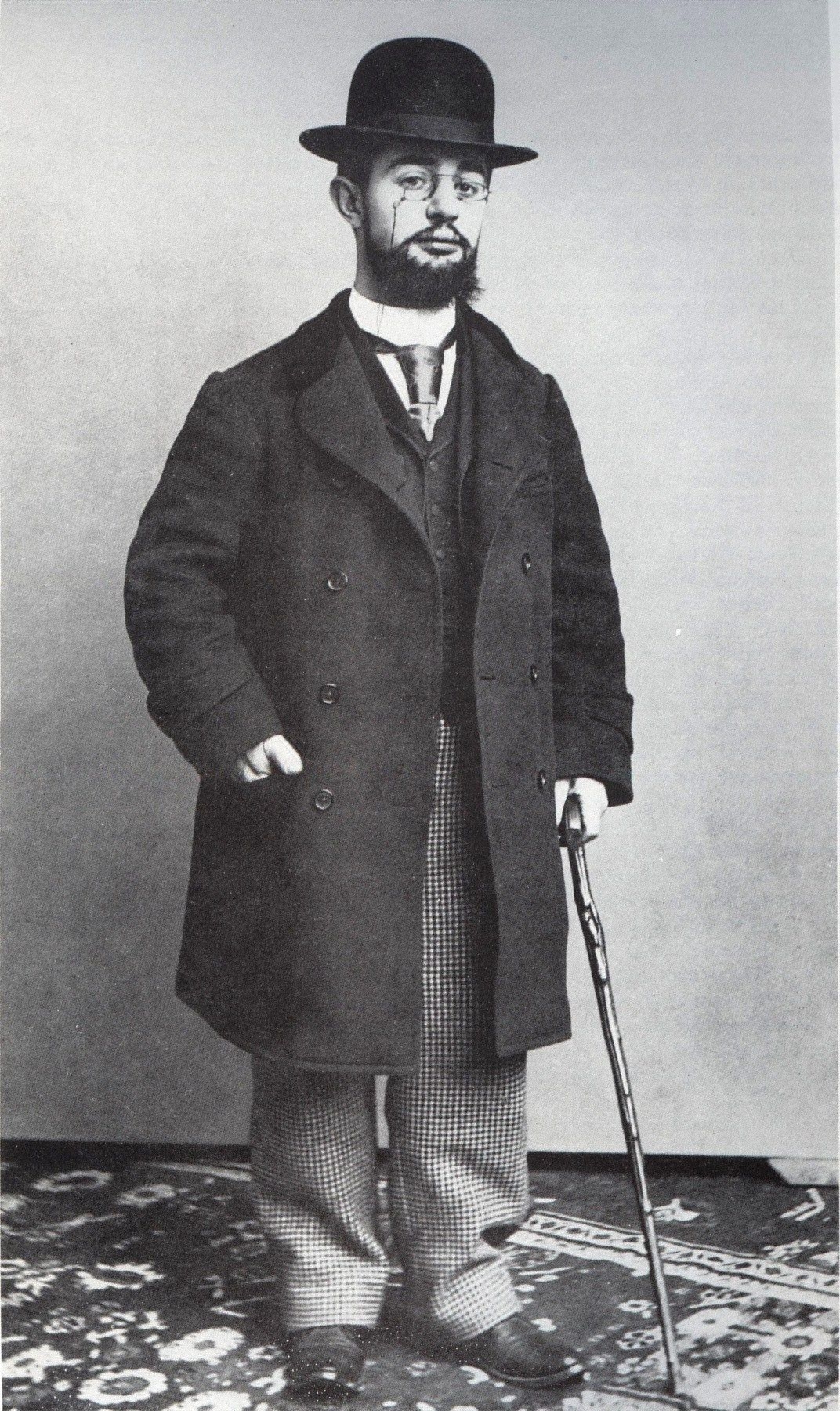
(Image: Henri de Toulouse-Lautrec, "The Sofa," 1892)
A Study in Contrast and Observation
Lautrec’s style is immediately recognizable – a masterful blend of realism and impressionism. He meticulously renders the textures of the fabrics, the subtle play of light on the women's skin, and the worn details of the room with an almost photographic precision. Yet, he avoids a purely objective portrayal. The figures are not idealized; they possess a certain vulnerability and quietness that speaks to Lautrec’s deep empathy for the marginalized individuals who populated his world. Notice the careful arrangement of the smaller figures – a man on the left, seemingly observing, and another near the top right – adding layers of narrative and suggesting a hidden drama within this simple scene.
The Artist's World: Montmartre and its Subjects
Born with a physical deformity that profoundly shaped his perspective, Toulouse-Lautrec developed an unparalleled understanding of human character. He spent years documenting the lives of artists, prostitutes, musicians, and café patrons in Montmartre – a district teeming with bohemian energy and social unrest. “The Sofa” reflects this immersion; it’s not a romanticized depiction but a grounded observation of everyday life. Lautrec was fascinated by the contrast between the aristocratic world he inherited and the raw realities of the streets, and this duality is powerfully conveyed in his work.
Symbolism and Emotional Resonance
The sofa itself acts as a central symbol – a place of rest, intimacy, and perhaps even contemplation. The two women, dressed in contrasting pink and red, represent different facets of human connection. Their relaxed postures suggest a comfortable familiarity, inviting the viewer to share in their quiet moment. Lautrec’s ability to evoke such a palpable sense of atmosphere and emotion is what elevates “The Sofa” beyond a simple portrait; it's a poignant meditation on love, companionship, and the fleeting beauty of human experience – a timeless theme that continues to resonate with audiences today.
comte henri marie raymond de toulouse-lautrec-monfa (1864 – 1901)
Descubre al visionario Henri de Toulouse-Lautrec, pintor impresionista que capturó la vibrante vida nocturna y los personajes únicos de París y Montmartre con líneas expresivas y colores intensos.
Sobre esta obra
- Título: The sofa Sun
- Artista: comte henri marie raymond de toulouse-lautrec-monfa
- Formato: Landscape
- Estado de derechos de autor: Dominio público
- Técnica o medio: WallArt
- Contexto del corpus: decadence , marginalized figures
- Paleta de colores: Dark
- Color predominante: Driftwood
- Finalidad: Statement
- Palabras clave: parisian art , vibrant colors , henri de toulouse-lautrec
Datos clave
- Subject or theme: Domesticity, Leisure
- Medium: Oil on canvas
- Notable elements: Two women, pink/red dress
- Influences:
- Impressionism
- Realism
- Year: 1896
- Artistic style: Post-Impressionism
Código QR


