

 Ver en contexto
 Comprar impresión
 Enviar
 Compartir


 Descargar
 Similares
 Radiografía
 Presentación de diapositivas
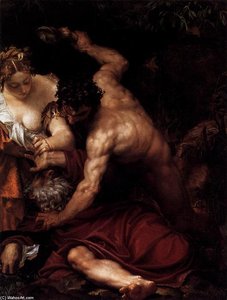
La Tentación de San Antonio
 Acrílico sobre lienzo
- Arte de pared
- Baroque Style
 1552
1552 198.0 x 151.0 cm
 Museo de las Bellas Artes
Paolo Veronese (1528 – 1588)
Descubre a Paolo Veronese (1528-1588), maestro veneciano de color vibrante y escenas opulentas. Explora su legado junto a Tiziano y Tintoretto en ArtsDot.
Museo de las Bellas Artes (Caen, Francia)
¡Explora el Museo de las Bellas Artes de Caen! Descubre maestros flamencos como Rubens, impresionistas franceses (Monet) y los magníficos capolavori italianos de Perugino en un castillo histórico. Fundado en 1801.
Paolo Veronese: Temptation of St Anthony – A Baroque Masterpiece
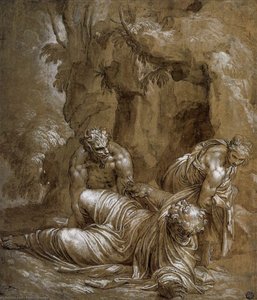
Paolo Veronese’s “Temptation of St Anthony” (1552) stands as an arresting testament to the artistic fervor of the High Renaissance and its subsequent evolution into Baroque style. Executed in Venice during a period marked by papal patronage and burgeoning humanist ideals, this monumental charcoal study delves into the psychological drama inherent in Saint Anthony’s struggle against demonic influence – a narrative deeply rooted in Christian tradition.
- Subject Matter: The painting portrays the biblical tale of St. Anthony's temptation by Satan, depicting his arduous journey through desolate landscapes and confronting insidious temptations designed to undermine his faith.
- Style: Veronese’s work embodies Mannerism, characterized by exaggerated forms, asymmetrical compositions, and a deliberate departure from Renaissance ideals of balance and harmony. This stylistic choice reflects the broader artistic trends of the time – prioritizing emotional intensity over idealized representation.
- Technique: Employing meticulous charcoal shading and blending techniques, Veronese achieved remarkable realism in capturing the textures of stone and drapery, alongside conveying profound psychological depth through expressive facial expressions and body postures.
- Historical Context: Commissioned by Cardinal Ercole Gonzaga for one of the side altars of Mantua’s cathedral, “Temptation of St Anthony” reflects the religious fervor prevalent in Italy during the mid-16th century – a period dominated by papal authority and fervent devotion to saints.
- Symbolism: The painting is replete with symbolic imagery—the desolate landscape representing spiritual hardship, the demonic figures embodying temptation, and Christ’s apparition symbolizing divine grace—all contributing to a multilayered narrative that explores themes of faith, perseverance, and moral fortitude.
The charcoal study itself offers a glimpse into Veronese's creative process – a preparatory sketch demonstrating his masterful command of tonal values and compositional planning. It foreshadows the grandeur and dramatic intensity of the finished painting, which cemented Veronese’s reputation as one of Venice’s foremost artists.
Further Exploration: The Influence of Giulio Romano & Michelangelo
Veronese's artistic vision was undeniably shaped by the legacy of fellow Venetian masters Giulio Romano and Michelangelo Buonarroti. Romano’s innovative use of perspective and dramatic chiaroscuro – techniques pioneered in Palazzo Pitti – instilled Veronese with a heightened awareness of spatial illusion and expressive tonal range. Similarly, Michelangelo’s sculptural explorations of human anatomy and emotional dynamism provided Veronese with inspiration for conveying profound psychological realism.
The Commission & Patronage
The Cardinal Ercole Gonzaga commissioned Veronese to realize “Temptation of St Anthony” in Mantua, reflecting the importance of papal patronage in fostering artistic innovation during the Renaissance. The contract stipulated meticulous attention to detail—particularly the use of ultramarine pigment – underscoring the significance of both aesthetic excellence and symbolic representation within religious art.
A Window into Baroque Style
“Temptation of St Anthony” serves as a pivotal exemplar of Baroque style, signaling a shift away from Renaissance restraint toward heightened emotional expression and theatrical grandeur. Its dramatic lighting, dynamic composition, and psychologically nuanced portrayal of Saint Anthony’s torment exemplify the artistic sensibilities that would dominate European art throughout the 17th century.
Notable Reproduction Sites

Discover stunning reproductions and delve deeper into the artistic legacy of Paolo Veronese at these reputable online resources.
Sobre esta obra
- Título: La Tentación de San Antonio
- Artista: Paolo Veronese
- Año: 1552
- Dimensiones originales: 198.0 x 151.0 cm
- Formato: Formato vertical
- Estado de derechos de autor: Dominio público
- Ubicación: Museo de las Bellas Artes
- Movimiento: Baroque Style
- Técnica y materiales: Acrílico sobre lienzo
- Técnica o medio: Arte de pared
Datos clave
- Movement: Barroco
- Artist: Paolo Veronese
- Dimensions: 198 x 151 cm
- Year: 1552
- Subject or theme: Tentación espiritual de San Antonio
- Artistic style: Mannerismo
- Location: Museo Nacional de Arte Antiga, Lisboa
Código QR


