 Ver en contexto
 Enviar
 Compartir
 Detalles

 Descargar
 Similares
 Radiografía
 Presentación de diapositivas
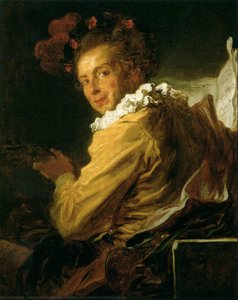
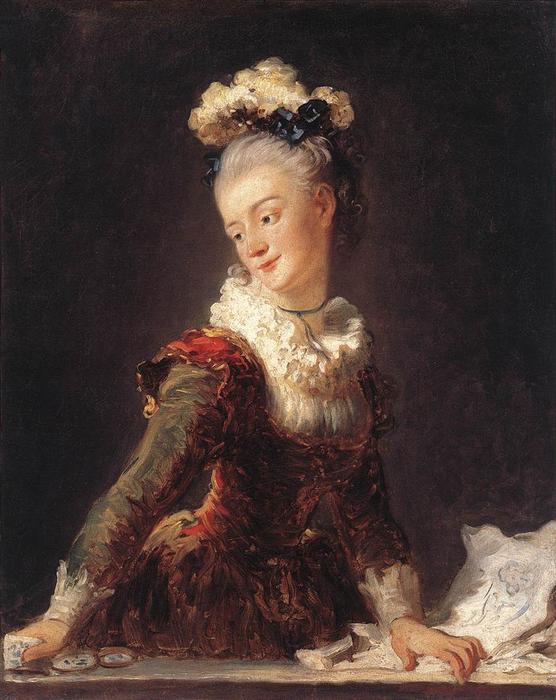
Marie-Madeleine Guimard (Fanciful Figure)
 Acrylic On Canvas
- WallArt
- Rococo Painting
 1769
1769 82.0 x 65.0 cm
 Museo del Louvre
 Ver más
Reproducción al óleo hecha a mano
Óleo sobre lienzo pintado a mano en el tamaño y marco de su elección, realizado por encargo por nuestros artistas. ( Comprar impresión Comprar imagen)




P118B $10

P118H $10

P118W $10

P438Z $10

P508JH $12

P508YH $12

P805H $10

P805Z $10

P919BZ $10

P919G $10

P919XJ $10

P959ZH $10

P968JZ $12

W106C $8

W218G $10

W218JH $8

W218Y $10

W307PJ $10

W316G $10

W316PJ $8

W316Y $10

W398PJ $8

W4111J $10

W500HY $15

W500JH $15

W692G $12

W849H $8

W940BG $15

W953PJ $8




Elija entre nuestros tamaños predefinidos que respetan las proporciones originales de la obra.

Puede ingresar sus propias dimensiones para adaptarse a un marco o espacio específico. Si el tamaño seleccionado no coincide con las proporciones de la imagen original, recortaremos la obra o extenderemos la pintura con elementos adicionales pintados a mano. Se le enviará una maqueta digital para su aprobación antes de comenzar la producción.
Tenga en cuenta que la vista previa en pantalla no refleja el recorte o la extensión reales. Solo la maqueta mostrará con precisión la composición final.
Si bien existen tamaños personalizados, recomendamos seleccionar una dimensión de la lista predefinida para preservar las proporciones originales.
Tras realizar el pedido, el equipo de ArtsDot.com enviará un correo electrónico al cliente para solicitar instrucciones y proporcionarle una vista previa del boceto.
Envío a todo el mundo () en 3-4 semanas en lugar de las 5 semanas estándar. (24 agosto). Sin comprometer la calidad.

Envío exprés gratuito a todo el mundo

Lienzo de lino de alta calidad

Seguro de envío total

Garantía de reembolso de impuestos aduaneros

Garantía de fidelidad cromática exacta

Política de devolución de 60 días (solo por defectos)

Garantía de devolución del 100% del dinero

Descuento por cantidad
 La opción de vidrio solo está disponible en tamaños inferiores a 110 cm.

Marie-Madeleine Guimard (Fanciful Figure)
Técnica de reproducción
Dimensiones de la reproducción
-


Precio total final
$ 263
Descripción de la obra
A Glimpse of Parisian Grace: Marie-Madeleine Guimard by Jean-Honoré Fragonard
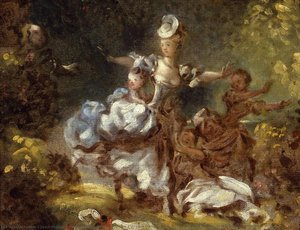
Jean-Honoré Fragonard’s “Marie-Madeleine Guimard (Fanciful Figure)” – a captivating portrait painted in 1769 – is more than just a depiction of a young woman; it's an exquisite distillation of the Rococo era’s playful spirit, a testament to Fragonard’s mastery of color and form, and a window into the vibrant social life of 18th-century Paris. The painting, now housed within the Louvre Museum, immediately draws the eye with its delicate palette – soft greens, blues, and creams interwoven with touches of blush pink and shimmering gold – creating an atmosphere of airy elegance and subtle sensuality. It’s a scene brimming with quiet amusement, hinting at a private moment captured for posterity.
The subject herself, Marie-Madeleine Guimard, was a celebrated dancer known for her grace and charm within Parisian society. Fragonard doesn't offer a straightforward likeness; instead, he transforms her into an idealized figure, embodying the Rococo fascination with beauty, youth, and fleeting pleasure. Her pose is languid yet poised, her gaze directed just beyond the viewer’s line, suggesting a thoughtful awareness of her surroundings and a hint of mischievous delight. The subtle tilt of her head, the delicate curve of her hand resting lightly on a nearby cushion – these small details speak volumes about her character.
The Language of Rococo: Technique and Style
Fragonard’s technique is remarkably fluid and expressive, characteristic of the Rococo style. He employs loose brushstrokes and a vibrant layering of color to create an illusion of shimmering light and movement. The background, rendered in soft washes of pastel hues, recedes into a hazy distance, drawing attention to the central figure. Notice how he uses *sfumato*, a technique borrowed from Leonardo da Vinci, to soften edges and create a sense of atmospheric depth – particularly evident in the folds of her dress and the shadows beneath her chin. The painting’s surface is alive with delicate details: the intricate lace at her neck, the subtle texture of her gown, and the glimmering highlights on her skin.
Fragonard's use of gold leaf adds a luxurious touch, enhancing the sense of opulence and suggesting the wealth and privilege associated with the Parisian elite. The composition itself is carefully balanced, employing the principle of asymmetry to create visual interest. The placement of Marie-Madeleine within the frame, combined with the strategic use of negative space, contributes to the painting’s overall harmony and elegance.
A Portrait of an Era: Historical Context
“Marie-Madeleine Guimard” was created during a period of significant social and artistic change in France. The Rococo style, which Fragonard helped define, emerged as a reaction against the formality and restraint of the preceding Baroque era. It embraced themes of love, pleasure, and frivolity, reflecting the aristocratic lifestyle of the time. The painting captures this spirit perfectly, offering a glimpse into the world of Parisian salons, where art, music, and dance were central to social life.
Interestingly, Fragonard’s background wasn't initially focused on portraiture. He began his career as an anatomist for a veterinary school, meticulously preparing and displaying *écorchés* – flayed animal bodies – a practice that honed his observational skills and understanding of form. This anatomical training profoundly influenced his later work, particularly his ability to render the human figure with remarkable accuracy and sensitivity. His cousin, Marie-Anne Gérard Fragonard, was also an accomplished miniaturist, further enriching the family’s artistic legacy.
Symbolism and Emotional Resonance
Beyond its technical brilliance, “Marie-Madeleine Guimard” is rich in symbolism. The dancer's pose suggests a moment of quiet contemplation amidst the bustle of Parisian society. Her gaze, directed off-camera, hints at a world beyond the immediate scene – perhaps a memory, a dream, or a secret longing. The inclusion of a small, partially visible fan adds to the sense of intimacy and private moments. The painting evokes a feeling of gentle melancholy, tempered by an underlying current of joy and optimism.
Ultimately, Fragonard’s “Marie-Madeleine Guimard” is a masterpiece that transcends its historical context. It remains a timeless celebration of beauty, grace, and the ephemeral pleasures of life – a captivating work that continues to enchant viewers centuries later. Reproductions offer an accessible way to bring this exquisite painting into your own home, allowing you to appreciate its delicate details and evocative atmosphere.
Obras relacionadas
Biografía del artista
Primeros años y formación
Jean-Honoré Fragonard, un destacado pintor y grabador francés, nació el 4 de abril de 1732 en Grasse, Alpes Marítimos. Su padre, François Fragonard, era guantero, y su madre, Françoise Petit, ama de casa. A los dieciocho años, Fragonard fue aprendiz de François Boucher, un artista renombrado, donde perfeccionó sus habilidades artísticas.Carrera artística
La carrera artística de Fragonard puede dividirse en varias fases:- Primeros trabajos (1750s): Fragonard obtuvo el premio de Roma en 1752 con una pintura de Jeroboam sacrificando al becerro dorado. Posteriormente, estudió bajo Charles-André van Loo durante tres años.
- Influencias italianas (1760s): Fragonard entabló amistad con el pintor Hubert Robert y realizó una gira por Italia, ejecutando numerosos bocetos de paisajes locales. Este período marcó el desarrollo de su estilo característico.
- Madurez rococó (1770s): Las pinturas de Fragonard de este período, como "El Columpio" (1767) y "La broma del engaño" (1780), exhiben su dominio del estilo rococó.
- Neoclasicismo (finales de 1770s): Fragonard experimentó con el neoclasicismo, como se evidencia en su obra "Retrato de Denis Diderot" (1769).
Estilo y Temas
El estilo rococó de Fragonard se caracteriza por su elegancia, sensualidad y una atmósfera juguetona. Sus obras a menudo representan escenas galantes, retratos íntimos y paisajes idílicos. Utilizaba colores vibrantes y pinceladas suaves para crear una sensación de ligereza y movimiento. Sus temas se centraban en la vida aristocrática, el amor cortesano y los placeres mundanos, reflejando las tendencias artísticas de su época.Logros y Legado
Fragonard fue un artista prolífico que produjo más de 500 pinturas y miles de dibujos. Su obra "El Columpio" es quizás su pintura más famosa y se considera una representación icónica del estilo rococó. Fragonard influyó en generaciones posteriores de artistas, y su legado perdura como uno de los principales exponentes del arte rococó francés. Sus obras se encuentran en importantes museos de todo el mundo, incluyendo el Louvre.Años Finales y Muerte
A pesar de la llegada del Neoclasicismo y las turbulencias de la Revolución Francesa, Fragonard continuó pintando hasta sus últimos años. Murió en París el 22 de agosto de 1806, dejando tras de sí un vasto cuerpo de trabajo que celebra la belleza y el placer de la vida.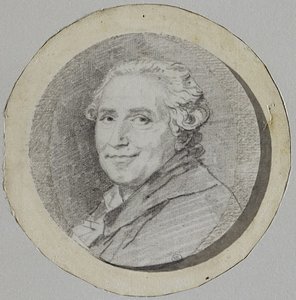
Jean-Honoré Fragonard
1732 - 1806 , Francia
Datos clave
- Artistas Que Influyeron:
- François Boucher
- Charles-André van Loo
- Estilo Artístico: Rococó
- Fecha De Fallecimiento: 22 de agosto de 1806
- Fecha De Nacimiento: 4 de abril de 1732
- Influenciado A Artistas: ['Alexandre Evariste Fragonard']
- Lugar De Nacimiento: Grasse, Francia
- Nacionalidad: Francesa
- Nombre Completo: Jean-Honoré Fragonard
- Obras Notables:
- El Columpio
- La Familia Italiana
- Retrato de una joven
- El Voto de Amor
Artículos relacionados

Rococó: 10 Obras Maestras que Definieron una Época | Arte y Decoración en
Descubre las 10 obras maestras del Rococó que marcaron una época. Explora la elegancia de Fragonard, Boucher y Watteau en . Reproducciones de arte de calidad museo para decorar tu hogar con estilo.
The Rococo Reverie of Fragonard: Love, Leisure & Pleasure in 18th-Century France
Explore the captivating world of Jean-Honoré Fragonard! Discover his Rococo masterpieces, intimate portraits & the allure of 18th-century French art. Learn about 'The Progress of Love' and more at ArtsDot.
La Estética Rococó: Opulencia, Rebelión y Placer en el Arte del Siglo XVIII
Descubre la fascinante estética rococó: su historia, características clave y los artistas más influyentes del siglo XVIII. Un análisis profundo para amantes del arte y coleccionistas.

The Allure of Elegance in Art: A Historical & Aesthetic Exploration of Refinement & Grace
Explore the exquisite world of Rococo art! Discover its history, masters (Watteau, Boucher & more), and defining elegance. Expert insights for collectors seeking museum-quality reproductions & custom portraits.
Jacob Henricus Maris: A Master of Dutch Atmospheric Realism & the Intimate Landscape
Explore the captivating world of Jacob Henricus Maris, a leading figure of the Dutch Hague School. Discover his atmospheric landscapes, signature brushstrokes & lasting influence on 19th-century art. Learn more at ArtsDot.