 Ver en contexto
 Enviar
 Compartir
 Detalles

 Descargar
 Similares
 Radiografía
 Presentación de diapositivas
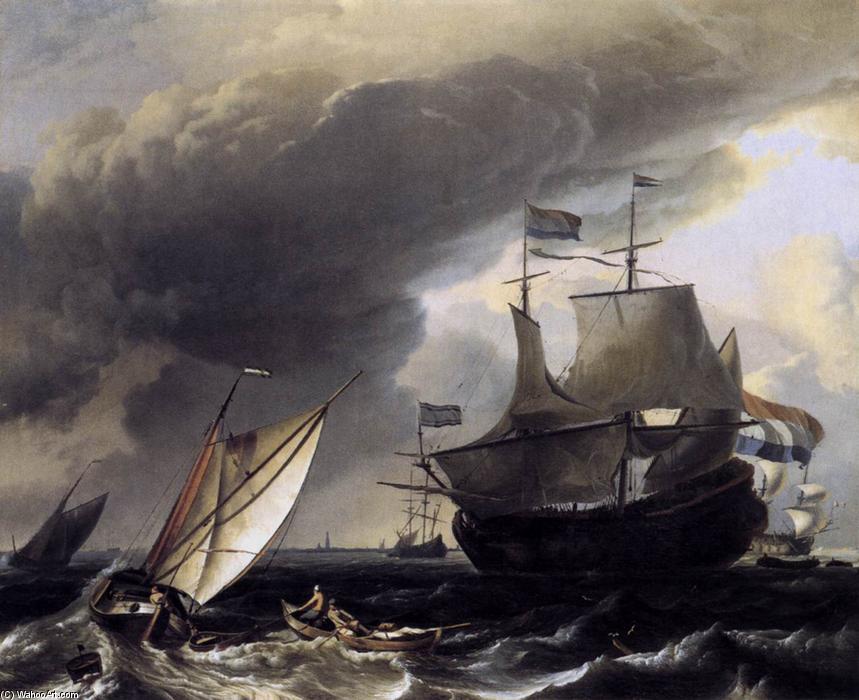
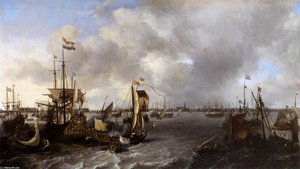
Dutch Vessels on the Sea at Amsterdam
 Acrylic On Canvas
- WallArt
- Dutch Golden Age Maritime
 1708
1708 66.0 x 80.0 cm
 Museo del Louvre
 Ver más
Reproducción al óleo hecha a mano
Óleo sobre lienzo pintado a mano en el tamaño y marco de su elección, realizado por encargo por nuestros artistas. ( Comprar impresión Comprar imagen)




P118B $10

P118H $10

P118W $10

P438Z $10

P508JH $12

P508YH $12

P805H $10

P805Z $10

P919BZ $10

P919G $10

P919XJ $10

P959ZH $10

P968JZ $12

W106C $8

W218G $10

W218JH $8

W218Y $10

W307PJ $10

W316G $10

W316PJ $8

W316Y $10

W398PJ $8

W4111J $10

W500HY $15

W500JH $15

W692G $12

W849H $8

W940BG $15

W953PJ $8




Elija entre nuestros tamaños predefinidos que respetan las proporciones originales de la obra.

Puede ingresar sus propias dimensiones para adaptarse a un marco o espacio específico. Si el tamaño seleccionado no coincide con las proporciones de la imagen original, recortaremos la obra o extenderemos la pintura con elementos adicionales pintados a mano. Se le enviará una maqueta digital para su aprobación antes de comenzar la producción.
Tenga en cuenta que la vista previa en pantalla no refleja el recorte o la extensión reales. Solo la maqueta mostrará con precisión la composición final.
Si bien existen tamaños personalizados, recomendamos seleccionar una dimensión de la lista predefinida para preservar las proporciones originales.
Tras realizar el pedido, el equipo de ArtsDot.com enviará un correo electrónico al cliente para solicitar instrucciones y proporcionarle una vista previa del boceto.
Envío a todo el mundo () en 3-4 semanas en lugar de las 5 semanas estándar. (28 agosto). Sin comprometer la calidad.

Envío exprés gratuito a todo el mundo

Lienzo de lino de alta calidad

Seguro de envío total

Garantía de reembolso de impuestos aduaneros

Garantía de fidelidad cromática exacta

Política de devolución de 60 días (solo por defectos)

Garantía de devolución del 100% del dinero

Descuento por cantidad
 La opción de vidrio solo está disponible en tamaños inferiores a 110 cm.

Dutch Vessels on the Sea at Amsterdam
Técnica de reproducción
Dimensiones de la reproducción
-


Precio total final
$ 263
The Storm’s Embrace: Ludolf Backhuysen and the Majesty of the North Sea
Ludolf Backhuysen's “Dutch Vessels on the Sea at Amsterdam,” painted in 1708, isn’t merely a seascape; it’s a visceral experience. Born in Emden, Germany, during a period of intense artistic exchange between the Netherlands and its northern neighbors, Backhuysen dedicated his life to capturing the raw power and unpredictable beauty of the North Sea. This particular work, rendered in oil on panel, transports us directly into the heart of a turbulent maritime scene – a moment suspended between serene observation and imminent chaos.
The composition immediately commands attention. A cluster of Dutch merchant vessels, identifiable by their distinctive hulls and billowing sails, are caught amidst a dramatic swell. These aren’t idealized depictions of seafaring; Backhuysen presents them as vulnerable participants in nature's grand design. The ships, varying in size and orientation, are not uniformly heroic – some appear to be struggling against the waves, while others seem momentarily poised for survival. The artist masterfully utilizes a limited palette of deep blues, greens, and grays, punctuated by flashes of white foam and the ominous dark clouds gathering overhead. This restrained color scheme amplifies the drama, creating an atmosphere thick with tension and anticipation.
A Master of Atmospheric Realism
Backhuysen’s genius lay in his ability to translate the fleeting effects of weather onto canvas. He wasn't interested in static representations; instead, he sought to capture the *feeling* of a storm at sea – the relentless assault of wind and water, the shifting light, and the inherent danger. His technique is characterized by loose, expressive brushstrokes that convey movement and turbulence. Notice how the waves are not rendered with smooth, predictable lines but rather as dynamic, swirling masses of paint. The artist’s use of *sfumato*, a subtle blurring of edges, further enhances this sense of atmospheric depth and uncertainty.
Crucially, Backhuysen was an innovator in his approach to depicting the sea. He famously ventured out onto the open water himself, often in a small boat, to study the conditions firsthand. This dedication to observation is evident in every detail – from the precise rendering of the foam crests to the subtle shifts in color that suggest changing light and wind direction. He was deeply influenced by Willem van de Velde the Elder and Younger, who pioneered similar dramatic seascapes, but Backhuysen developed a uniquely powerful style, prioritizing emotional impact over strict topographical accuracy.
Symbolism of Commerce and Courage
Beyond its immediate visual appeal, “Dutch Vessels on the Sea at Amsterdam” carries symbolic weight. The Dutch Republic’s burgeoning maritime trade was the engine driving its prosperity in the 17th century, and these ships represent the nation's ambition and economic power. However, Backhuysen doesn’t shy away from portraying the inherent risks involved in this pursuit. The precarious position of the vessels underscores the vulnerability of human endeavors against the forces of nature – a potent reminder of mortality and the humbling reality of our place within the wider world.
Furthermore, the scene speaks to the courage and resilience of the Dutch sailors who braved these treacherous waters. Their determination to navigate through the storm is mirrored in Backhuysen’s bold brushstrokes and dramatic composition. The painting serves as a testament to their skill, bravery, and unwavering spirit.
A Timeless Reflection on Human Endeavor
“Dutch Vessels on the Sea at Amsterdam” remains a profoundly moving work of art. It's more than just a depiction of a storm; it’s an exploration of human ambition, vulnerability, and our enduring fascination with the sea. Reproductions capture much of this power, offering a window into Backhuysen’s masterful artistry and his profound understanding of the relationship between humanity and nature. This piece is not simply a painting—it's an experience.
Obras relacionadas
Biografía del artista
Ludolf Backhuysen I (1630–1708)
Ludolf Backhuysen I, a german-born dutch painter, was born on december 28, 1630, in emden, east frisia. he moved to amsterdam around 1650, where he initially worked as a merchant's clerk and calligrapher. however, his true passion lay in art, and he soon devoted himself to painting, studying under the esteemed masters allart van everdingen and hendrik dubbels.Rise to Prominence
Backhuysen’s artistic talent quickly gained recognition, particularly in his maritime subjects. After willem van de velde the elder and younger left for england in 1672, backhuysen became the leading dutch painter of maritime art. His compositions, characterized by intense realism, often featured rough seas. To capture the effects of storms, he would frequently venture into the open sea in a small boat. This dedication to observation and meticulous detail—a hallmark of his style—became central to his artistic vision. He was profoundly influenced by willem van de velde the elder and younger, whose dramatic depictions of naval battles captivated audiences and established a precedent for portraying turbulent weather conditions with unprecedented accuracy.Notable Works and Legacy
Some of backhuysen’s notable works include:- Ships in a Storm (1670s-1690s): These canvases exemplify Backhuysen's mastery of capturing the raw power of nature, utilizing bold brushstrokes and dramatic lighting to convey the terror and grandeur of a tempestuous sea.
- Seascape and Fishing Boats (1708): This final masterpiece showcases Backhuysen’s unwavering commitment to portraying coastal life with remarkable fidelity, reflecting his lifelong fascination with the maritime environment.
- Battle of Vigo Bay (1702): A monumental depiction of naval warfare, demonstrating Backhuysen's ability to convey both the visual spectacle and psychological tension inherent in combat situations.
- Dutchman Embarking Onto a Yacht (1670-1679): This painting captures a moment of serene contemplation amidst the vastness of the ocean, highlighting Backhuysen’s nuanced understanding of human emotion within natural landscapes.
- Johan de Liefde, Vice-Admiral: A portrait commemorating Johan de Liefde, a prominent dutch admiral, exemplifies Backhuysen's skill in capturing likeness and conveying character through subtle gestures and expressions.
Life and Artistic Development
Ludolf Backhuysen’s formative years were marked by a disciplined upbringing under his father's tutelage as a scribe—a profession that instilled in him a meticulous attention to detail and precision. Moving to amsterdam around 1650, he initially pursued mercantile endeavors alongside calligraphy, but quickly recognized the transformative potential of artistic expression. His initial studies with allart van everdingen and hendrik dubbels provided him with foundational knowledge of classical composition and technique—influences that would permeate his entire oeuvre. He honed his craft through tireless experimentation and observation, immersing himself in the maritime world to gain firsthand experience of weather conditions and seafaring life. This dedication to realism—a defining characteristic of his style—became a cornerstone of his artistic practice.Later Life and Death
Backhuysen continued to produce artwork throughout his life, establishing a gallery on the top floor of amsterdam townhall in 1699—a testament to his enduring success as an artist and entrepreneur. His travels included visits to england, where he encountered new artistic ideas and broadened his horizons. Ludolf Backhuysen I passed away peacefully in amsterdam on november 17, 1708, leaving behind a substantial body of work that continues to inspire admiration for its uncompromising realism and evocative portrayal of the sea.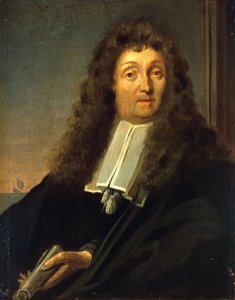
Ludolf Backhuysen I
1630 - 1708 , Alemania
Datos clave
- Artistic Movement Or Style: Dutch Baroque
- Artists Who Influenced This Artist:
- Allart van Everdingen
- Hendrik Dubbels
- Date Of Birth: December 28, 1630
- Full Name: Ludolf Backhuysen I
- Nationality: Dutch
- Notable Artworks:
- Ships in a Storm
- Seascape and Fishing Boats
- Battle of Vigo Bay
- Place Of Birth: Emden, Germany
Artículos relacionados
Envío y Devoluciones
APS ofrece envíos de arte a todo el mundo con un cuidado de grado museo, rastreo completo y una garantía de devolución de dinero de 30 días. Desde el soporte aduanero hasta Priority Production, confíe en un servicio transparente, embalaje seguro y una entrega fiable para coleccionistas, diseñadores y galerías.
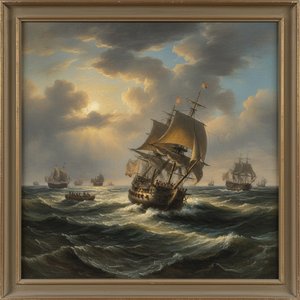
Ludolf Backhuysen I: Master of Dutch Marine Painting & Atmospheric Realism
Explore the captivating world of Ludolf Backhuysen I, a master of Dutch marine painting. Discover his signature realism, atmospheric seascapes & lasting influence on art history. Learn about collecting and appreciating this Golden Age artist.
The Allure of the Horizon: A Comprehensive Exploration of Seascape Art Through History & Emotion
Explore the captivating world of seascape art! Discover its history, key artists & movements – from Dutch Masters to Impressionism. Expert insights for collectors and enthusiasts at ArtsDot.
Abraham Hulk Senior: Pioneering Maritime Topography of the Dutch Golden Age
Explore the captivating seascapes of Abraham Hulk Senior, a leading Anglo-Dutch marine painter of the 19th century. Discover his signature style, family legacy & collectable artworks at ArtsDot.
Willem van de Velde the Elder: Master of Maritime Painting & Chronicler of the Dutch Golden Age
Discover the captivating maritime paintings of Willem van de Velde the Elder, a master chronicler of the Dutch Golden Age. Explore his unparalleled realism and lasting influence on naval art history.