

 Vista previa
 Compartir
 Compartir
 Ver detalles

 Descargar
 Ver similares
 Radiografía
 Presentación de diapositivas
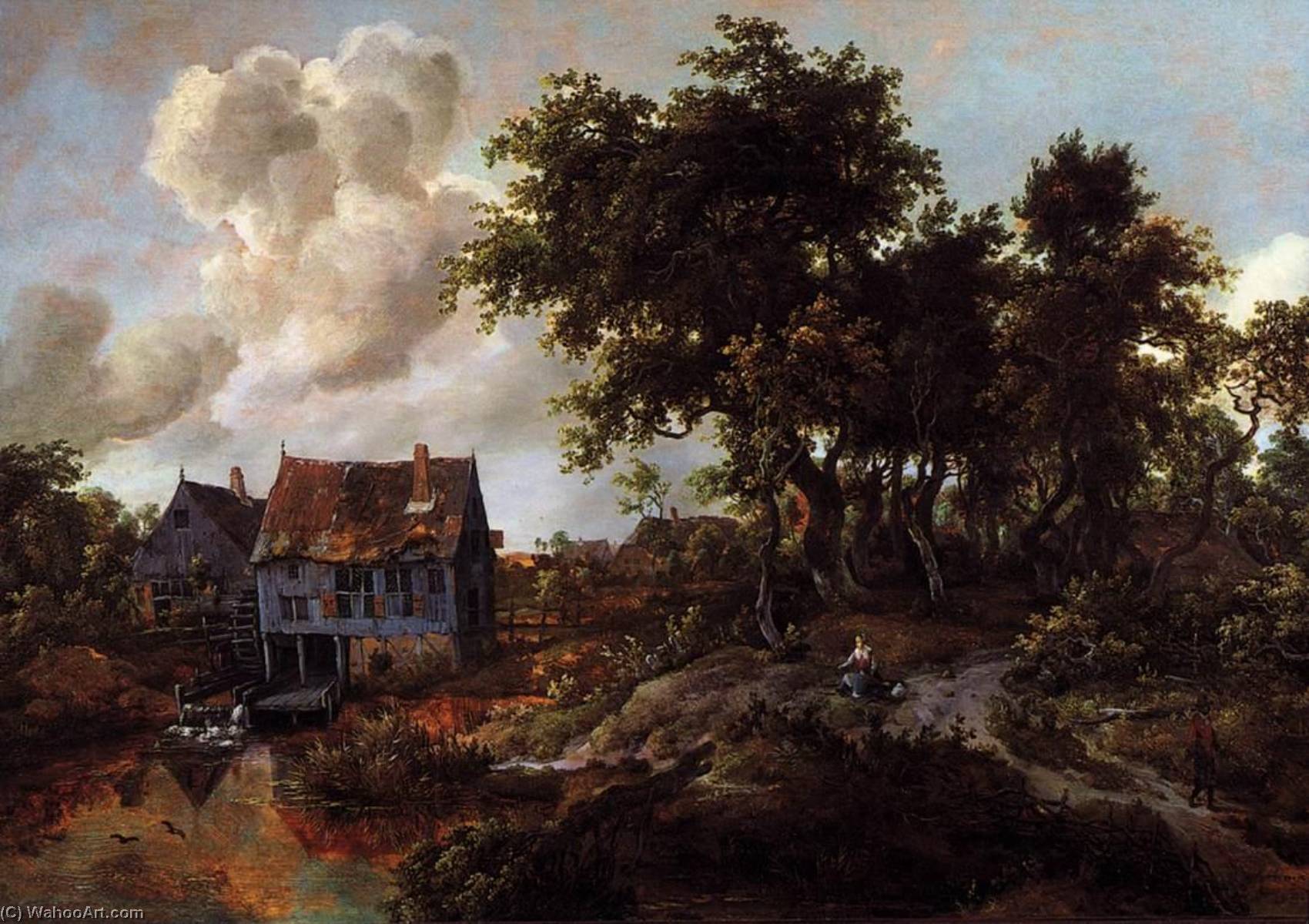
A Watermill beside a Woody Lane

 Leer más
Reproducción al óleo hecha a mano
Óleo sobre lienzo pintado a mano en el tamaño y marco de su elección, realizado por encargo por nuestros artistas. ( Pedir impresión Comprar descarga)




































Elija entre nuestros tamaños predefinidos que respetan las proporciones originales de la obra.

Puede ingresar sus propias dimensiones para adaptarse a un marco o espacio específico. Si el tamaño seleccionado no coincide con las proporciones de la imagen original, recortaremos la obra o extenderemos la pintura con elementos adicionales pintados a mano. Se le enviará una maqueta digital para su aprobación antes de comenzar la producción.
Tenga en cuenta que la vista previa en pantalla no refleja el recorte o la extensión reales. Solo la maqueta mostrará con precisión la composición final.
Si bien existen tamaños personalizados, recomendamos seleccionar una dimensión de la lista predefinida para preservar las proporciones originales.
Tras realizar el pedido, el equipo de ArtsDot.com enviará un correo electrónico al cliente para solicitar instrucciones y proporcionarle una vista previa del boceto.
Envío a todo el mundo () en 3-4 semanas en lugar de las 5 semanas estándar. (21 agosto). Sin comprometer la calidad.

Envío exprés gratuito a todo el mundo

Lienzo de lino de alta calidad

Seguro de envío completo

Garantía de reembolso de aranceles aduaneros

Garantía de fidelidad cromática exacta

Política de devolución de 60 días (solo por defectos)

Garantía de devolución del 100% del dinero

Oferta por volumen
 La opción de vidrio solo está disponible en tamaños inferiores a 110 cm.

A Watermill beside a Woody Lane
Técnica de reproducción
Tamaño de la reproducción
-


Precio total
$ 263
Descripción de la obra
The Painting's Composition
The painting features a serene landscape with a large tree in the foreground, its branches stretching upwards towards the sky. In the background, two houses are visible, one closer to the left side of the image and the other further back on the right side. A person is also visible near the center of the painting, adding a sense of human presence to the scene. The overall atmosphere of the painting conveys a sense of tranquility and peace.Artistic Style and Influences
Meyndert Hobbema's style was influenced by his mentor Jacob van Ruisdael, another prominent Dutch landscape painter. However, Hobbema's paintings are characterized by a lighter and friendlier tone, with an emphasis on the play of light and shadow. The painting A Watermill beside a Woody Lane is a prime example of this style, with its soft colors and gentle brushstrokes. Key Features of the Painting:- The use of light and shadow to create depth and atmosphere
- The emphasis on natural scenery and the play of light on water
- The inclusion of human figures to add a sense of scale and presence
Conservation and Display
The painting A Watermill beside a Woody Lane is part of the Royal Collection in the United Kingdom. It is considered one of the most important works by Meyndert Hobbema and is widely regarded as a masterpiece of Dutch landscape painting. For more information on this painting and other works by Meyndert Hobbema, visit /art/list/?Filter=AQTSJ3-Meyndert-Hobbema-A-Watermill-beside-a-Woody-Lane or https://en.wikipedia.org/wiki/Meyndert_Hobbema.The painting is a beautiful example of the artist's skill and attention to detail, and its serene atmosphere continues to captivate audiences to this day.
Obras relacionadas








Biografía del artista
Meindert Lubbertszoon Hobbema: The Painter of Tranquil Woodland
Meindert Lubbertszoon Hobbema (bapt. 31 October 1638 – 7 December 1709) stands as a cornerstone of Dutch Baroque landscape painting, recognized for his masterful depictions of serene woodland scenes and meticulously rendered rural vistas that embody the spirit of the Golden Age. Born in Amsterdam, Hobbema’s artistic journey began under the tutelage of Jacob van Ruisdael, forging a collaborative bond that profoundly shaped his stylistic evolution and cemented his place amongst the most celebrated artists of his era.Early Life and Artistic Training
Little is known about Hobbema's formative years beyond documented records indicating he was baptized in Amsterdam’s Nieuwe Kerk. His artistic inclinations were nurtured by Van Ruisdael, a titan of Dutch landscape painting who championed observation and meticulous detail—principles that would become hallmarks of Hobbema’s oeuvre. Together, they embarked on sketching expeditions throughout the Netherlands, meticulously capturing atmospheric conditions and topographical features, establishing a tradition of plein air painting that prioritized direct engagement with nature. This formative experience instilled in Hobbema an unwavering commitment to realism and a profound appreciation for the subtleties of light and shadow.Style and Technique: A Legacy of Observation
Hobbema’s distinctive style is characterized by its remarkable clarity and precision, achieved through painstaking observation and meticulous brushwork. Unlike many contemporaries who favored idealized representations, Hobbema relentlessly pursued accuracy in portraying natural landscapes—wooded paths, meadows bathed in sunlight, and watercourses reflecting the sky. He employed a technique known as *gezichtsblick*, or “face view,” which involved positioning himself directly before the subject matter to capture its essence with unparalleled immediacy. This approach resulted in canvases imbued with an astonishing sense of atmosphere and depth, capturing not merely what was seen but also how it felt—a testament to Hobbema’s artistic vision. His use of muted colors – predominantly browns, greens, and blues – further enhanced the tranquil mood of his paintings, reflecting a humanist aesthetic that prioritized contemplation and harmony with the natural world.Notable Works and Artistic Influences
Among Hobbema's most iconic creations is *The Avenue at Middelharnis* (1689), a monumental panoramic view capturing the bustling harbor town of Middelharnis with breathtaking detail. This masterpiece exemplifies his mastery of perspective and compositional balance, demonstrating an exceptional understanding of atmospheric effects—particularly mist—that contribute to the painting's ethereal quality. Other notable works include *The Woodland Landscape*, *A Watermill beside a Woody Lane,* and *A Watermill,* each showcasing Hobbema’s unwavering dedication to capturing the beauty and tranquility of rural Holland. His artistic influences extended beyond Van Ruisdael, drawing inspiration from Claude Lorrain and Nicolas Poussin—artists who championed classical ideals of grandeur and serenity—resulting in a synthesis that solidified Hobbema's position as a pivotal figure in European landscape painting.Historical Significance and Legacy
Meindert Hobbema’s contribution to Dutch art history transcends mere stylistic innovation; he embodies the humanist ethos of his time, prioritizing observation and contemplation as pathways to artistic understanding. His paintings continue to resonate with audiences today, serving as enduring reminders of the splendor of the Dutch Golden Age and demonstrating the transformative power of immersing oneself in the natural world. Hobbema’s legacy resides not only in his masterful technique but also in his unwavering commitment to portraying landscapes with honesty and sensitivity—a testament to his artistic genius and a cornerstone of Dutch Baroque art.
meyndert hobbema
1638 - 1709
Datos clave
- Artistic Movement Or Style: Dutch Baroque
- Artists Or Movements Influenced By This Artist: ['Dutch Landscape Painting']
- Artists Who Influenced This Artist: ['Jacob van Ruisdael']
- Date Of Birth: October 31, 1638
- Date Of Death: December 7, 1709
- Full Name: Meindert Lubbertszoon Hobbema
- Nationality: Dutch
- Notable Artworks:
- The Avenue at Middelharnis
- A Watermill beside a Woody Lane
- Place Of Birth: Amsterdam, Netherlands

