 Ver en contexto
 Enviar
 Compartir
 Detalles

 Descargar
 Similares
 Radiografía
 Presentación de diapositivas
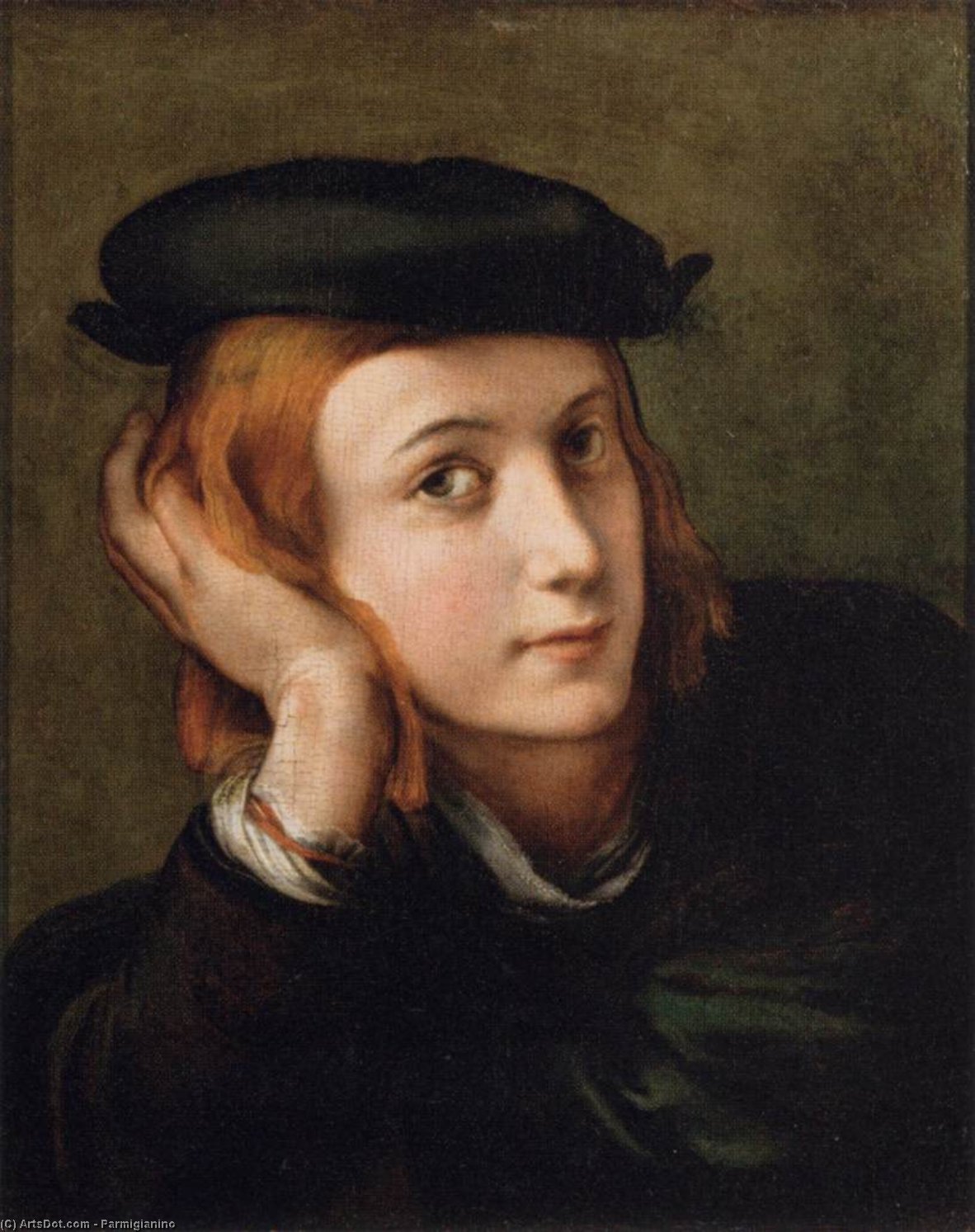
Portrait of a Youth
 Óleo
Óleo- Arte de pared
- Mannerism
 1520
1520- Renacimiento
 59.0 x 44.0 cm
 Museo del Louvre
 Ver más
Reproducción al óleo hecha a mano
Óleo sobre lienzo pintado a mano en el tamaño y marco de su elección, realizado por encargo por nuestros artistas. ( Comprar impresión Comprar imagen)




P118B $10

P118H $10

P118W $10

P438Z $10

P508JH $12

P508YH $12

P805H $10

P805Z $10

P919BZ $10

P919G $10

P919XJ $10

P959ZH $10

P968JZ $12

W106C $8

W218G $10

W218JH $8

W218Y $10

W307PJ $10

W316G $10

W316PJ $8

W316Y $10

W398PJ $8

W4111J $10

W500HY $15

W500JH $15

W692G $12

W849H $8

W940BG $15

W953PJ $8




Elija entre nuestros tamaños predefinidos que respetan las proporciones originales de la obra.

Puede ingresar sus propias dimensiones para adaptarse a un marco o espacio específico. Si el tamaño seleccionado no coincide con las proporciones de la imagen original, recortaremos la obra o extenderemos la pintura con elementos adicionales pintados a mano. Se le enviará una maqueta digital para su aprobación antes de comenzar la producción.
Tenga en cuenta que la vista previa en pantalla no refleja el recorte o la extensión reales. Solo la maqueta mostrará con precisión la composición final.
Si bien existen tamaños personalizados, recomendamos seleccionar una dimensión de la lista predefinida para preservar las proporciones originales.
Tras realizar el pedido, el equipo de ArtsDot.com enviará un correo electrónico al cliente para solicitar instrucciones y proporcionarle una vista previa del boceto.
Envío a todo el mundo () en 3-4 semanas en lugar de las 5 semanas estándar. (27 agosto). Sin comprometer la calidad.

Envío exprés gratuito a todo el mundo

Lienzo de lino de alta calidad

Seguro de envío total

Garantía de reembolso de impuestos aduaneros

Garantía de fidelidad cromática exacta

Política de devolución de 60 días (solo por defectos)

Garantía de devolución del 100% del dinero

Descuento por cantidad
 La opción de vidrio solo está disponible en tamaños inferiores a 110 cm.

Portrait of a Youth
Técnica de reproducción
Dimensiones de la reproducción
-


Precio total final
$ 263
Descripción de la obra
The Enigmatic Gaze of Youth
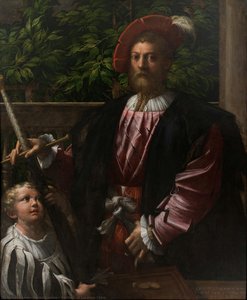
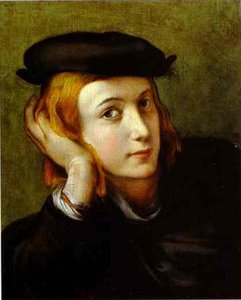
To stand before Parmigianino’s Portrait of a Youth is to encounter a moment suspended in time—a breath held just before revelation. This exquisite oil painting, dating from 1520, captures not merely the likeness of a young man with striking red hair, but the very essence of contemplative thought. The composition draws the viewer into an intimate space, centered around the subject’s head and shoulders. His pose, with one hand delicately resting beneath his chin, is the universal gesture of introspection, suggesting a mind wrestling with profound questions that remain beautifully unanswered. The overall effect is one of quiet dignity, a palpable sense of thoughtful melancholy rendered with breathtaking grace.
Mastery in Mannerist Elegance
While rooted in the polished realism of the High Renaissance, this work whispers with the sophisticated flourish of emerging Mannerism. Parmigianino, known for his refined sensibility and elongated forms, imbues the portrait with an almost ethereal quality. Observe the handling of the features: they are idealized yet startlingly lifelike. The artist employs a masterful control over light, which falls upon the subject in soft, diffused washes, sculpting the planes of his face and the rich texture of his garments. This technical brilliance allows Parmigianino to balance the organic curves of the human form against the more structured geometry suggested by his dark hat, creating a visual harmony that is both arresting and deeply pleasing.
A Study in Texture and Tone
Technically, the painting speaks volumes through its materiality. The visible layering of paint suggests the rich application of oil medium, allowing for an almost tactile experience. One can trace the subtle modeling achieved through delicate shading, giving depth to every fold of fabric and strand of hair. The color palette itself is a warm embrace—dominated by earthy tones of deep browns, creamy highlights, and vibrant reds that anchor the composition. These rich hues are expertly juxtaposed against the luminous quality of the skin, ensuring that the subject remains the undeniable focal point, drawing the eye into its captivating depths.
Echoes of Renaissance Introspection
Historically, this piece places us squarely in a period where portraiture evolved from mere record-keeping to profound psychological study. Parmigianino was a painter navigating the transition between classical perfection and heightened emotional expression. The Portrait of a Youth embodies this tension; it possesses the formal structure admired by Renaissance patrons yet carries an emotional resonance that feels distinctly personal, almost modern. For collectors and designers alike, owning such a piece is not just acquiring art, but curating a conversation piece—a meditation on beauty, thought, and the fleeting nature of youth.
Obras relacionadas
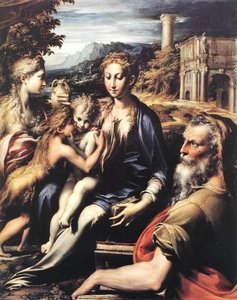
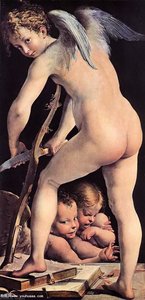
Biografía del artista
A Refined Sensibility: The Life and Art of Parmigianino
Girolamo Francesco Maria Mazzola, known to history as Parmigianino – “the little one from Parma” – emerged during the High Renaissance, yet swiftly became a defining figure of the burgeoning Mannerist style. Born in Parma on January 11, 1503, his early life was marked by familial loss; his father, Filippo Mazzola, died when Girolamo was just two years old. Raised by his uncles, Michele and Pier Ilario, both modestly skilled artists themselves, the young Parmigianino received his initial artistic training within this familial circle. This foundation, however, proved merely a springboard for an exceptional talent that would soon eclipse even his mentors. By the astonishing age of eighteen, he had already completed the Bardi Altarpiece, a work demonstrating a maturity and sophistication far beyond his years, signaling the arrival of a truly remarkable artist. The Bardi Altarpiece, with its innovative composition and refined details, immediately established Parmigianino as a force to be reckoned with in the Florentine art world.Florence, Rome, and the Shaping of a Mannerist Vision
Parmigianino’s artistic journey led him to Florence around 1524, where he absorbed the influence of masters like Raphael and Leonardo da Vinci, though he quickly began to forge his own distinct path. He presented Pope Clement VII with three paintings, including a striking self-portrait in a convex mirror – a testament to his technical skill and burgeoning self-awareness. This act secured commissions in Rome, but the city’s artistic landscape was soon disrupted by the tumultuous Sack of 1527. Forced to flee, Parmigianino sought refuge in Bologna, where he painted one of his most celebrated works, the *Holy Family*. It was during this period that his signature style truly crystallized: elongated forms, graceful poses, and a refined sensuality became hallmarks of his art. He wasn’t merely depicting reality; he was reimagining it through a lens of elegance and idealized beauty. This departure from the High Renaissance's emphasis on naturalism marked him as a key innovator of Mannerism, an artistic movement characterized by its artificiality, sophistication, and deliberate distortion of classical forms. The influence of Correggio is particularly evident in his early works, while the dynamism of Michelangelo’s figures can be seen in his later compositions.Masterpieces of Elongation and Grace
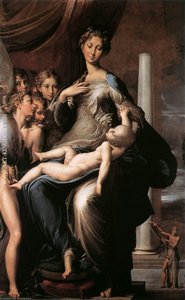
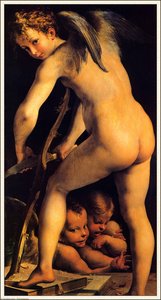
Parmigianino’s legacy rests upon a relatively small but profoundly influential body of work. The *Madonna with the Long Neck* (1534) remains perhaps his most iconic creation. Its unsettling yet captivating composition, featuring figures with elongated necks and limbs, challenges conventional notions of beauty and proportion. This deliberate distortion isn't simply stylistic; it conveys a sense of spiritual yearning and otherworldly grace. Similarly, *Vision of Saint Jerome* (1527), completed during his time in Rome, showcases his mastery of anatomy and perspective, while simultaneously embracing the Mannerist penchant for dramatic compositions and emotional intensity. Beyond these celebrated paintings, Parmigianino’s drawings reveal an extraordinary level of skill and sensitivity. His studies of figures, drapery, and architectural elements demonstrate a meticulous attention to detail and a profound understanding of form. Even his lesser-known works, such as *Bow-Carving Amor*, display the same refined sensibility and technical virtuosity that define his oeuvre. His work is characterized by an exquisite balance between elegance and tension, creating images that are both visually stunning and psychologically complex.A Legacy Interrupted: Parmigianino’s Final Years
Tragically, Parmigianino's promising career was cut short by his untimely death in Casalmaggiore in 1540 at the age of thirty-seven. The circumstances surrounding his demise remain somewhat mysterious; some accounts suggest he succumbed to a fever, while others hint at complications from a fall. Despite his brief life, Parmigianino left an indelible mark on Italian Renaissance art. He stands as one of the most important representatives of Mannerism, influencing generations of artists with his elegant style and innovative approach to form and composition. His work continues to captivate viewers today, offering a glimpse into a world where beauty is not merely observed but actively created – a testament to the enduring power of artistic vision. The frescoes he left unfinished in Parma and Fontanellato serve as poignant reminders of what might have been, yet even in their incomplete state, they reveal the brilliance of a master whose legacy continues to resonate through the centuries. His influence can be seen in artists who followed, adapting and expanding upon his distinctive style.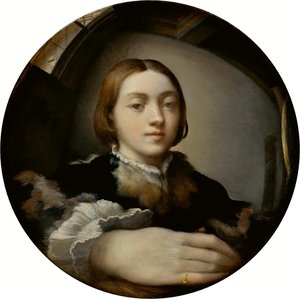
Parmigianino
1503 - 1540 , Italia
Datos clave
- Artistic Movement Or Style: Manierismo
- Artists Or Movements Influenced By This Artist: ['Renacimiento Italiano']
- Artists Who Influenced This Artist:
- Correggio
- Rafael
- Date Of Birth: 11 de enero de 1503
- Date Of Death: 24 de agosto de 1540
- Full Name: Girolamo Francesco Maria Mazzola
- Nationality: Italiano
- Notable Artworks:
- Madonna con el cuello largo
- Visión de San Jerónimo
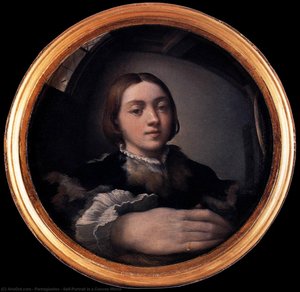
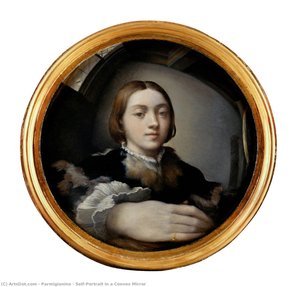
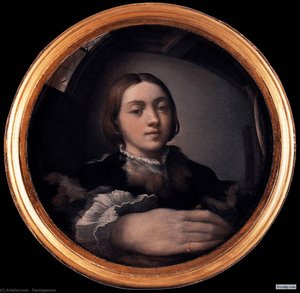
- Autorretrato en espejo convexo
- Place Of Birth: Parma, Italia
Artículos relacionados

Crimson Threads of Narrative: Exploring Symbolism & Representation in Artworks Featuring the Red Dress
Explore the rich symbolism of the red dress in art history! From ancient power displays to iconic portraits like Cézanne’s 'Madame Cezanne', discover the cultural and artistic significance behind this captivating color. Expert analysis & insights.

The Enduring Legacy of Oil on Canvas: Technique, History & Aesthetic Impact
Explore the rich history & techniques of oil painting – from Renaissance masters to Impressionism. Discover pigments, layering methods, and why this timeless medium endures. Expert insights for artists & art enthusiasts.

El Óleo sobre Lienzo: Historia, Técnica y la Persistencia de un Medio Artístico Atemporal
Descubre la historia y técnica del óleo sobre lienzo. Explora reproducciones fieles hechas a mano, personalización artística y consejos de expertos con ArtsDot. ¡Colecciona arte con confianza!

The Enduring Power of Painting: A Historical & Contemporary Exploration of Form and Emotion
Explore the rich history & enduring techniques of oil painting with ArtsDot. Discover masterpieces, learn about art collecting, and find authentic handmade reproductions crafted by skilled artists.

El Legado Duradero del Óleo sobre Lienzo: Técnica, Historia y Práctica Contemporánea
Descubre la historia y técnica del óleo sobre lienzo. Explora reproducciones fieles hechas a mano, personalización artística y consejos de expertos con .