 Ver en contexto
 Enviar
 Compartir
 Detalles

 Descargar
 Similares
 Radiografía
 Presentación de diapositivas
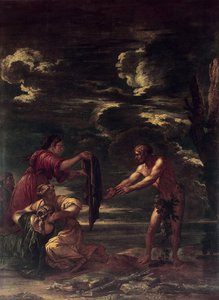
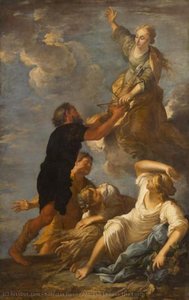
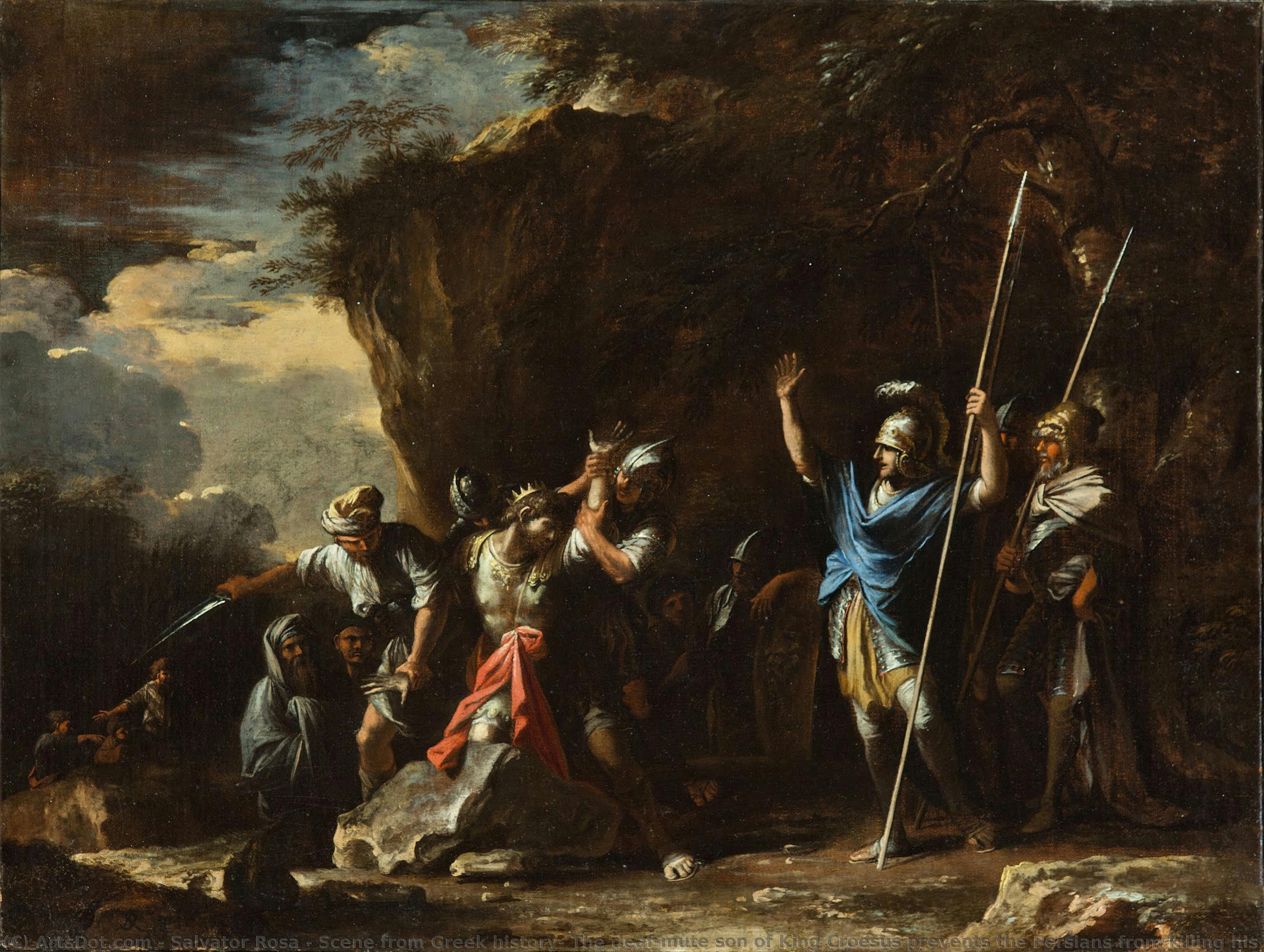
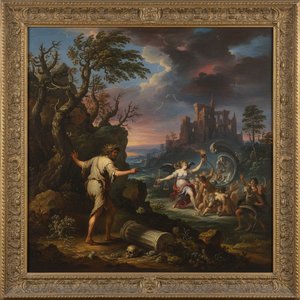
Scene from Greek history: The deaf-mute son of King Croesus prevents the Persians from killing his father
 Oil On Canvas
- WallArt
- Baroque
 1663
1663- Early Modern
 97.0 x 73.0 cm
 Galería de Arte de Australia del Sur
 Ver más
Reproducción al óleo hecha a mano
Óleo sobre lienzo pintado a mano en el tamaño y marco de su elección, realizado por encargo por nuestros artistas. ( Comprar impresión Comprar imagen)




P118B $10

P118H $10

P118W $10

P438Z $10

P508JH $12

P508YH $12

P805H $10

P805Z $10

P919BZ $10

P919G $10

P919XJ $10

P959ZH $10

P968JZ $12

W106C $8

W218G $10

W218JH $8

W218Y $10

W307PJ $10

W316G $10

W316PJ $8

W316Y $10

W398PJ $8

W4111J $10

W500HY $15

W500JH $15

W692G $12

W849H $8

W940BG $15

W953PJ $8




Elija entre nuestros tamaños predefinidos que respetan las proporciones originales de la obra.

Puede ingresar sus propias dimensiones para adaptarse a un marco o espacio específico. Si el tamaño seleccionado no coincide con las proporciones de la imagen original, recortaremos la obra o extenderemos la pintura con elementos adicionales pintados a mano. Se le enviará una maqueta digital para su aprobación antes de comenzar la producción.
Tenga en cuenta que la vista previa en pantalla no refleja el recorte o la extensión reales. Solo la maqueta mostrará con precisión la composición final.
Si bien existen tamaños personalizados, recomendamos seleccionar una dimensión de la lista predefinida para preservar las proporciones originales.
Tras realizar el pedido, el equipo de ArtsDot.com enviará un correo electrónico al cliente para solicitar instrucciones y proporcionarle una vista previa del boceto.
Envío a todo el mundo () en 3-4 semanas en lugar de las 5 semanas estándar. (27 agosto). Sin comprometer la calidad.

Envío exprés gratuito a todo el mundo

Lienzo de lino de alta calidad

Seguro de envío total

Garantía de reembolso de impuestos aduaneros

Garantía de fidelidad cromática exacta

Política de devolución de 60 días (solo por defectos)

Garantía de devolución del 100% del dinero

Descuento por cantidad
 La opción de vidrio solo está disponible en tamaños inferiores a 110 cm.

Scene from Greek history: The deaf-mute son of King Croesus prevents the Persians from killing his father
Técnica de reproducción
Dimensiones de la reproducción
-


Precio total final
$ 388
A Cinematic Encounter with Baroque Drama
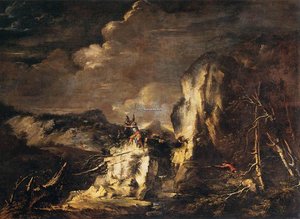
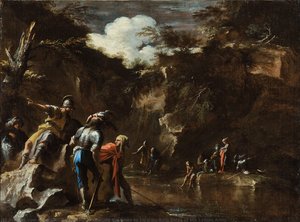
In the heart of a jagged, primordial landscape, Salvator Rosa captures a moment of breathless tension that feels less like a static painting and more like a frozen frame from a grand cinematic epic. "Scene from Greek history: The deaf-mute son of King Croesus prevents the Persians from killing his father" is a masterclass in the Baroque aesthetic, pulling the viewer into a world where survival hangs by a single, desperate thread. The scene, likely inspired by the legendary tales found within Homer’s Iliad, presents us with a visceral struggle for life amidst the shadows of antiquity. As we gaze upon the rugged terrain and the frantic movement of the figures, we are not merely observers; we are witnesses to a profound act of familial devotion and heroic defiance.
The composition is anchored by a central figure whose commanding presence radiates an almost electric urgency. With one hand raised aloft, he acts as a human barrier against the encroaching tide of violence, his gesture cutting through the chaos of the surrounding skirmish. Around him, the canvas teems with life and conflict: men clash with spears and shields, while others watch with eyes wide in apprehension or intensity. Rosa utilizes strong, directional lines—the sharp tilt of a weapon, the dramatic drape of a tunic, the jagged edge of a stone—to guide our eyes through this whirlwind of action, ensuring that the emotional momentum never falters.
The Mastery of Light and Shadow
Technically, this 1663 masterpiece showcases Rosa’s unparalleled ability to manipulate the chiaroscuro technique to evoke psychological depth. The lighting is profoundly dramatic, characterized by stark contrasts that carve figures out of the surrounding gloom. Deep, cavernous shadows retreat into the crevices of the rocky landscape, creating a sense of immense, suffocating space, while sudden bursts of light illuminate the musculature and facial expressions of the protagonists. This interplay of light and dark does more than provide three-dimensionality; it mirrors the internal turmoil of the characters, reflecting the struggle between life and death, and order and chaos.
The texture of the work is equally captivating. Through meticulous oil painting on canvas, Rosa achieves a rich, layered effect that suggests the grit of the earth and the cold hardness of stone. His brushwork is both precise in rendering the fine details of armor and fluid enough to capture the kinetic energy of a battlefield. For the discerning collector or interior designer, this tactile quality offers a profound sense of luxury and historical weight, making it an ideal centerpiece for spaces that demand a sense of gravitas and intellectual intrigue.
Symbolism and Eternal Resonance
Beyond its surface-level spectacle, the painting serves as a powerful allegory for the human condition. The deaf-mute son, unable to use words to plead for mercy, must rely on the raw power of physical presence and symbolic gesture. This element introduces a poignant layer of symbolism regarding the limits of communication and the universality of sacrifice. In an era of political instability and religious upheaval, such themes of leadership, resistance against overwhelming odds, and the preservation of legacy would have resonated deeply with 17th-century audiences—and they continue to resonate with us today.
For those looking to adorn a curated collection or a sophisticated living space, this reproduction offers more than just visual beauty. It brings into a room a piece of history that speaks of resilience and the indomitable spirit. Whether placed in a library, a formal study, or a contemporary gallery setting, Rosa’s work provides an enduring focal point that invites contemplation, sparking conversations about the legends of the past and the timeless emotions that bind us all.
Obras relacionadas
Biografía del artista
Vida temprana y formación
Salvator Rosa, pintor barroco italiano, poeta e grabador, nació en Arenella, Nápoles, el 20 de junio o el 21 de julio de 1615. Su madre, Giulia Greca Rosa, pertenecía a una de las familias griegas de Sicilia. A pesar de los deseos de su padre de que se convirtiera en abogado o sacerdote, Salvator demostró una preferencia por las artes desde temprana edad.Trayectoria artística
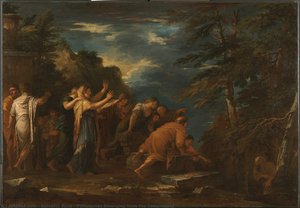
La carrera artística de Salvator Rosa se caracterizó por su estilo poco ortodoxo y extravagante, lo que lo diferenciaba de sus contemporáneos. Estuvo activo en Nápoles, Roma y Florencia, y su obra estuvo influenciada por el naturalismo de Ribera y el clasicismo de Poussin. Sin embargo, se negó a ser atado por ningún estilo o movimiento particular.- Pitágoras emergiendo del inframundo (Museo de Arte Kimball, Fort Worth, Estados Unidos), una de sus obras más famosas, muestra su mezcla única de temas filosóficos y artísticos.
- Su obra El bautismo del eunuco (Museo de Arte Chrysler, Norfolk, Estados Unidos) demuestra su capacidad para infundir un alto dramatismo incluso en historias bíblicas menores.
Influencias y legado
La obra de Salvator Rosa tuvo un impacto significativo en el desarrollo del arte barroco. Su influencia puede verse en las obras de artistas posteriores, como Luca Giordano, que continuó superando los límites de la expresión artística.Enlaces importantes: Perfil de Salvator Rosa en ArtsDot Wikipedia: Salvator Rosa Pitágoras emergiendo del inframundo en ArtsDotDesarrollo y logros importantes
Rosa se distinguió por su enfoque único de los paisajes, a menudo representando escenas salvajes e indómitas que contrastaban con las vistas clásicas idealizadas de artistas como Claude Lorrain. Sus obras no solo mostraban la naturaleza en su estado más crudo, sino que también exploraban temas filosóficos y morales. Aunque sus habilidades técnicas a veces fueron criticadas, su originalidad e innovación artística eran innegables. Su capacidad para combinar elementos de la historia, la mitología y la filosofía en sus pinturas lo convirtió en una figura singular dentro del arte barroco.Significado histórico
La vida y obra de Salvator Rosa continúan fascinando a los amantes del arte e historiadores por igual. Su estilo poco ortodoxo y su rebelión perpetua contra las normas de su tiempo han cimentado su lugar en la historia del arte barroco. Se le considera un precursor del movimiento romántico, influyendo en artistas posteriores con su visión apasionada y dramática de la naturaleza y la condición humana. El Museo de Arte Kimball y el Museo de Arte Chrysler son instituciones que albergan importantes obras de Rosa.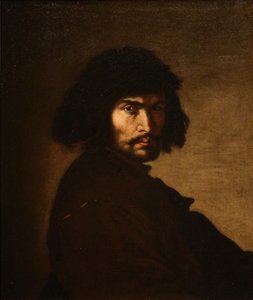
Salvador Rosa
1615 - 1673 , Italia
Datos clave
- Artistas Que Influyeron:
- Ribera
- Poussin
- Estilo Artístico: Barroco
- Fecha De Muerte: 15 de marzo de 1673
- Fecha De Nacimiento: 20 o 21 de junio de 1615
- Influencia En Artistas: ['Luca Giordano']
- Lugar De Nacimiento: Arenella, Italia
- Nacionalidad: Italiana
- Nombre Completo: Salvator Rosa
- Obras Notables:
- Pitágoras emergiendo del inframundo
- El bautismo del eunuco
Artículos relacionados
Salvator Rosa: A Baroque Rebel's Vision of Landscape, Allegory & the Human Condition
Explore the captivating world of Salvator Rosa, a rebellious Baroque master. Discover his dramatic landscapes, allegorical paintings & lasting influence on Romanticism. Hand-painted reproductions available at ArtsDot.

The Dramatic Flourish: Exploring the Baroque Movement's Enduring Legacy in Art History
Explore the dramatic world of Baroque art! Discover iconic artists like Caravaggio & Rubens, defining techniques, and its lasting impact on art history. Expert insights for collectors & enthusiasts at ArtsDot.

Barroco Sublime: 10 Obras Maestras que Definieron una Época |
Descubre las 10 obras maestras del Barroco que marcaron una época. Caravaggio, Bernini y Velázquez cobran vida en . Reproducciones de arte de calidad museo para decorar tu hogar con elegancia. ¡Explora la colección online!

The Enduring Power of Painting: A Historical & Contemporary Exploration of Form and Emotion
Explore the rich history & enduring techniques of oil painting with ArtsDot. Discover masterpieces, learn about art collecting, and find authentic handmade reproductions crafted by skilled artists.

Baroque Classicism: Reconciling Drama & Order in 17th-Century Art
Explore the captivating world of Baroque Classicism! Discover its history, key artists like Caravaggio & Rubens, and defining characteristics. Expert insights & high-quality reproductions at ArtsDot.