 Ver en contexto
 Enviar
 Compartir
 Detalles

 Descargar
 Similares
 Radiografía
 Presentación de diapositivas
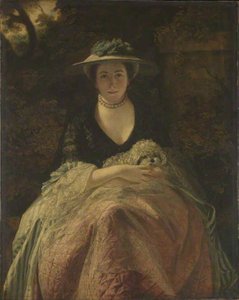
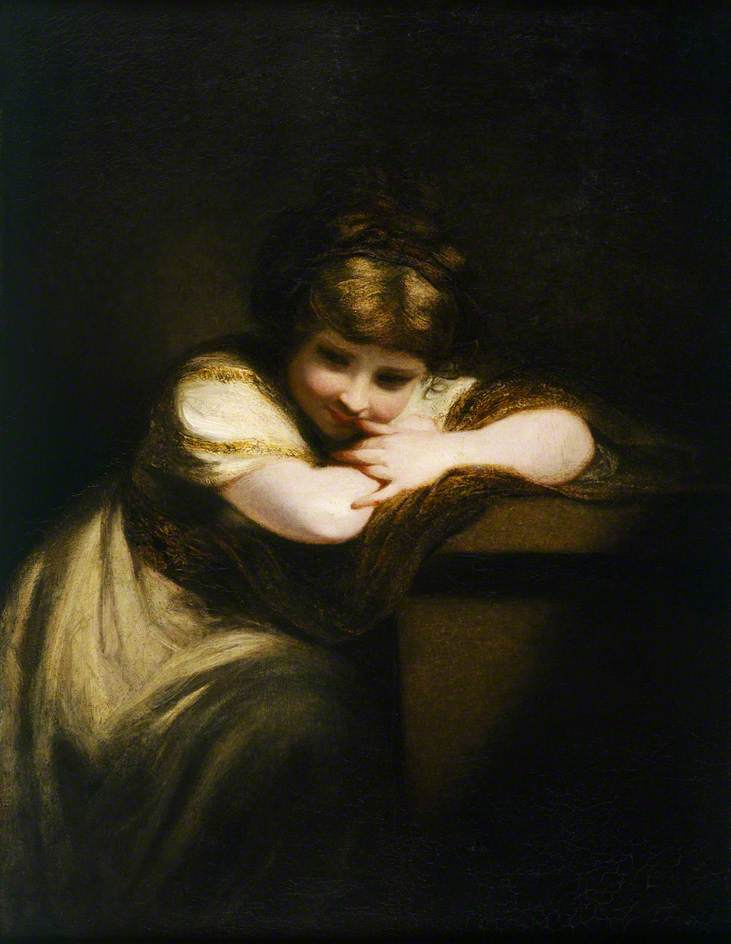
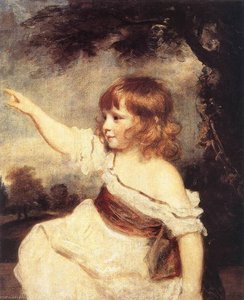
Girl Leaning on a Pedestal
 Oil On Canvas
- WallArt
- Baroque Enlightenment Portraiture
 1782
1782- Early Modern
 92.0 x 71.0 cm
 English Heritage
 Ver más
Reproducción al óleo hecha a mano
Óleo sobre lienzo pintado a mano en el tamaño y marco de su elección, realizado por encargo por nuestros artistas. ( Comprar impresión Comprar imagen)




P118B $10

P118H $10

P118W $10

P438Z $10

P508JH $12

P508YH $12

P805H $10

P805Z $10

P919BZ $10

P919G $10

P919XJ $10

P959ZH $10

P968JZ $12

W106C $8

W218G $10

W218JH $8

W218Y $10

W307PJ $10

W316G $10

W316PJ $8

W316Y $10

W398PJ $8

W4111J $10

W500HY $15

W500JH $15

W692G $12

W849H $8

W940BG $15

W953PJ $8




Elija entre nuestros tamaños predefinidos que respetan las proporciones originales de la obra.

Puede ingresar sus propias dimensiones para adaptarse a un marco o espacio específico. Si el tamaño seleccionado no coincide con las proporciones de la imagen original, recortaremos la obra o extenderemos la pintura con elementos adicionales pintados a mano. Se le enviará una maqueta digital para su aprobación antes de comenzar la producción.
Tenga en cuenta que la vista previa en pantalla no refleja el recorte o la extensión reales. Solo la maqueta mostrará con precisión la composición final.
Si bien existen tamaños personalizados, recomendamos seleccionar una dimensión de la lista predefinida para preservar las proporciones originales.
Tras realizar el pedido, el equipo de ArtsDot.com enviará un correo electrónico al cliente para solicitar instrucciones y proporcionarle una vista previa del boceto.
Envío a todo el mundo () en 3-4 semanas en lugar de las 5 semanas estándar. (3 septiembre). Sin comprometer la calidad.

Envío exprés gratuito a todo el mundo

Lienzo de lino de alta calidad

Seguro de envío total

Garantía de reembolso de impuestos aduaneros

Garantía de fidelidad cromática exacta

Política de devolución de 60 días (solo por defectos)

Garantía de devolución del 100% del dinero

Descuento por cantidad
 La opción de vidrio solo está disponible en tamaños inferiores a 110 cm.

Girl Leaning on a Pedestal
Técnica de reproducción
Dimensiones de la reproducción
-


Precio total final
$ 263
A Vision of Enlightenment Grace
In the soft, luminous glow of Sir Joshua Reynolds’ “Girl Leaning on a Pedestal,” we encounter more than just a portrait; we step into the very heart of the British Enlightenment. Executed between 1775 and 1782, this masterpiece captures a moment of profound stillness and youthful vitality. The subject, often affectionately known as “The Laughing Girl,” rests with an effortless elegance upon a stone ledge, her posture striking a delicate balance between casual ease and aristocratic poise. Reynolds, a titan of the eighteenth-century art world, does not merely record a likeness; he constructs an ideal. Through his masterful use of pyramidal composition, he directs our eyes upward, ensuring that the viewer’s gaze is inevitably drawn to the radiant warmth of her face, which seems to glow from within.
The painting serves as a breathtaking window into an era defined by humanist ideals and classical revival. As the first president of the Royal Academy, Reynolds was a pioneer of the Grand Style, a movement dedicated to elevating portraiture through the infusion of dignity, intellectual depth, and classical beauty. In this work, the subject’s gentle expression and the soft, flowing drapery of her attire evoke the timelessness of ancient sculpture, yet the palpable sense of life and emotion remains intimately human. For the discerning collector or interior designer, this piece offers a sense of historical weight and sophisticated charm, making it an anchor for any space that values classical refinement and narrative depth.
The Alchemy of Light and Brushwork
To behold this work is to witness Reynolds’ unparalleled command over light and texture. The artist employs a sophisticated technique of glazing, layering translucent washes of pigment to achieve a breathtaking luminosity. This method allows light to penetrate the upper layers of paint, reflecting back from the base to create an ethereal, pearlescent quality in the girl's skin and the delicate folds of her gown. His brushwork, though often characterized by energetic and rapid strokes, is applied with such precision that it achieves a seamless realism, particularly in the way light dances across the fabric and settles upon the stone pedestal.
The interplay between shadow and brilliance creates a profound sense of three-dimensional space. The background, a muted and atmospheric wall, recedes into soft obscurity, ensuring that the subject remains the undisputed protagonist of the scene. This deliberate manipulation of depth ensures that the portrait does not feel static; rather, it possesses a breathing, rhythmic quality. For those seeking to adorn a home or gallery with a high-quality reproduction, the ability of this painting to command attention through its subtle tonal shifts and rich textures provides an unparalleled decorative impact, bringing a touch of 18th-century splendor to a contemporary setting.
An Enduring Legacy for the Modern Collector
Beyond its technical brilliance, “Girl Leaning on a Pedestal” resonates with an emotional sincerity that transcends the centuries. There is a subtle vulnerability in her gaze, a quiet confidence in her repose, and a joy that feels remarkably modern. It is this intersection of historical grandeur and intimate human emotion that makes Reynolds’ work so enduringly relevant. The painting does not demand attention through loud colors or jarring compositions; instead, it seduces the viewer through its grace, inviting long periods of contemplation.
Integrating a reproduction of such a significant work into an interior design scheme allows for the introduction of a "conversation piece" that bridges the gap between the past and the present. Whether placed in a sunlit study, a formal dining room, or a curated gallery wall, the painting lends an air of intellectual sophistication and timeless beauty. It is an investment in atmosphere, offering anyone who views it a momentary escape into a world of light, elegance, and the enduring spirit of the Enlightenment.
Obras relacionadas
Biografía del artista
Vida Temprana y Formación
Sir Joshua Reynolds (1723-1792), una figura destacada del arte británico del siglo XVIII, nació el 16 de julio de 1723 en Plympton, Devon. Era el tercer hijo del Rev. Samuel Reynolds, maestro de la escuela gramatical gratuita de Plympton. Desde temprana edad, mostró interés por el arte, lo que llevó a un aprendizaje con Thomas Hudson, un popular pintor de retratos londinense, desde 1740 hasta 1743. Esta formación inicial sentó las bases para su posterior desarrollo artístico.Ascenso a la Prominencia y el "Estilo Grandioso"
El talento artístico y el estilo innovador de Reynolds le valieron rápidamente reconocimiento. Se convirtió en miembro fundador y primer presidente de la Royal Academy of Arts, un hito significativo en la historia del arte británico. En 1769, fue nombrado caballero por el rey Jorge III. Reynolds abogó fervientemente por el "Estilo Grandioso" en la pintura, que enfatizaba la idealización de las imperfecciones y se inspiraba en los maestros clásicos italianos. Esta filosofía influyó profundamente a una generación de artistas británicos, marcando un cambio hacia una estética más formal y refinada en el retrato.Obras Notables y Colaboraciones
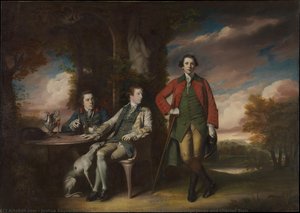
La prolífica carrera de Reynolds incluye numerosos retratos de la nobleza británica, como el duque de Devonshire y el duque de Grafton. Sus obras se encuentran en importantes museos, incluyendo la Tate Britain (Londres, Reino Unido), que exhibe su obra maestra, *Peter Darnell Muilman, Charles Crokatt y William Keable en un Paisaje*. Reynolds también colaboró con grabadores como Samuel William Reynolds, quien reprodujo sus pinturas en mezzotinta. Su habilidad para capturar la personalidad y el estatus de sus sujetos lo convirtió en uno de los retratistas más solicitados de su época.Influencia e Importancia Histórica
El legado de Reynolds se extiende más allá de su arte. Fue un pionero en el desarrollo de instituciones artísticas británicas, desempeñando un papel crucial en la configuración de la identidad artística del país. Su influencia es evidente en las obras de artistas posteriores como Thomas Gainsborough, quien también se especializó en la pintura de retratos. Reynolds no solo fue un retratista excepcional sino también un teórico del arte y un líder influyente que ayudó a elevar el estatus de los artistas británicos. Su promoción del "Estilo Grandioso" contribuyó a una mayor apreciación por la calidad técnica y la composición en la pintura, dejando una huella duradera en el desarrollo del arte británico.Legado y Obras Destacadas
Algunas de las obras más notables de Reynolds incluyen:- Retrato de John Hayes St. Leger (Colección Real, Hampton Court, Reino Unido)
- Peter Darnell Muilman, Charles Crokatt y William Keable en un Paisaje (Tate Britain, Londres, Reino Unido)
- El Sr. y la Sra. William Lindow (Tate Britain, Londres, Reino Unido)
- El Niño Hércules Ahogando a las Serpientes (State Hermitage Museum)
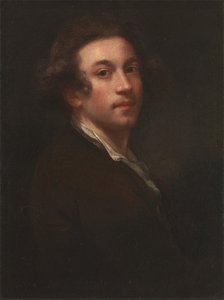
Sir Joshua Reynolds
1723 - 1792 , Reino Unido
Datos clave
- Artistas Influyentes: ['Thomas Hudson']
- Estilo Artístico: Neoclasicismo, Grand Style
- Fecha De Nacimiento: 16 de julio de 1723
- Influencia En Artistas: ['Thomas Gainsborough']
- Lugar De Nacimiento: Plymouth, Reino Unido
- Nacionalidad: Británico
- Nombre Completo: Sir Joshua Reynolds
- Obras Notables:
- Peter Darnell Muilman y otros
- Retrato de John Hayes St. Leger
- Sr. y Sra. William Lindow
Artículos relacionados
Sir Joshua Reynolds: Las 25 Obras Maestras del Retrato Inglés | ArtsDot
Descubre las 25 obras maestras de Sir Joshua Reynolds, el pintor inglés que elevó el retrato a la categoría de arte. Explora su técnica clásica, estilo rococó y significado histórico en ArtsDot.com. ¡Encuentra reproducciones de alta calidad para tu hogar!

The Enduring Legacy of Oil on Canvas: Technique, History & Aesthetic Impact
Explore the rich history & techniques of oil painting – from Renaissance masters to Impressionism. Discover pigments, layering methods, and why this timeless medium endures. Expert insights for artists & art enthusiasts.

El Óleo sobre Lienzo: Historia, Técnica y la Persistencia de un Medio Artístico Atemporal
Descubre la historia y técnica del óleo sobre lienzo. Explora reproducciones fieles hechas a mano, personalización artística y consejos de expertos con ArtsDot. ¡Colecciona arte con confianza!

El Legado Duradero del Óleo sobre Lienzo: Técnica, Historia y Práctica Contemporánea
Descubre la historia y técnica del óleo sobre lienzo. Explora reproducciones fieles hechas a mano, personalización artística y consejos de expertos con .

Las 10 Obras Maestras al Óleo que Revolucionaron la Historia del Arte |
Descubre las 10 obras maestras al óleo que transformaron la historia del arte. Explora Van Gogh, Monet, Da Vinci y más. Reproducciones de alta calidad para decorar tu hogar con elegancia. ¡Encuentra tu obra favorita en !