 Ver en contexto
 Enviar
 Compartir
 Detalles

 Descargar
 Similares
 Radiografía
 Presentación de diapositivas
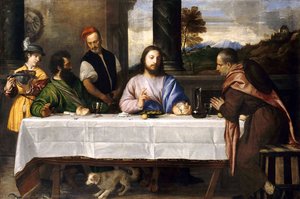
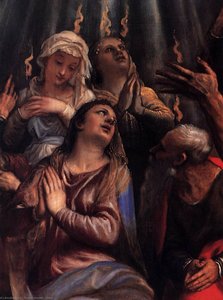
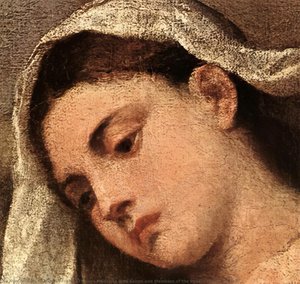
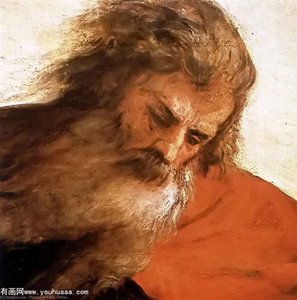
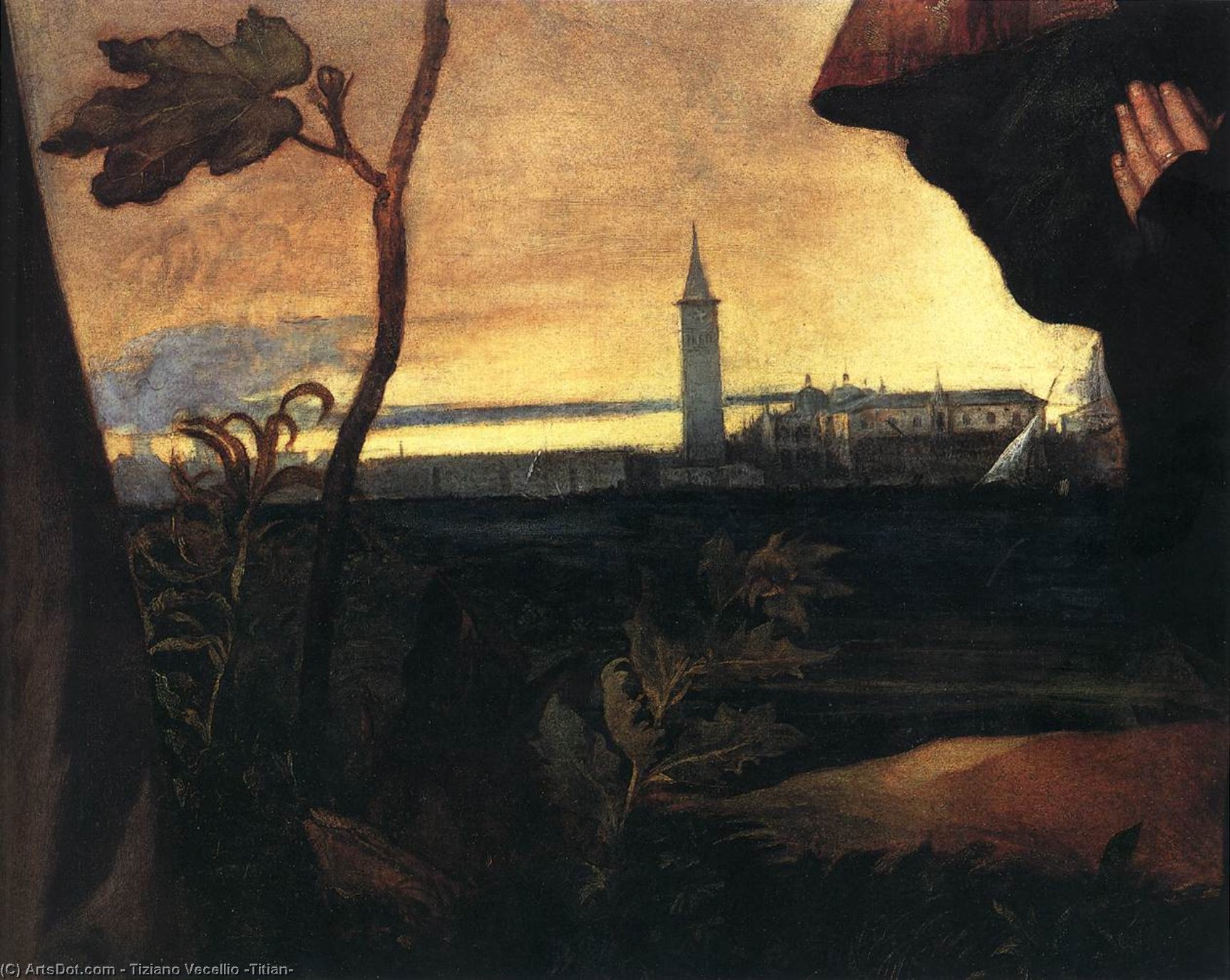
Madonna en gloria con el Niño Jesús y los santos Francisco y Alvise con el donante (detalle)


 Ver más
Reproducción al óleo hecha a mano
Óleo sobre lienzo pintado a mano en el tamaño y marco de su elección, realizado por encargo por nuestros artistas. ( Comprar impresión Comprar imagen)




P118B $10

P118H $10

P118W $10

P438Z $10

P508JH $12

P508YH $12

P805H $10

P805Z $10

P919BZ $10

P919G $10

P919XJ $10

P959ZH $10

P968JZ $12

W106C $8

W218G $10

W218JH $8

W218Y $10

W307PJ $10

W316G $10

W316PJ $8

W316Y $10

W398PJ $8

W4111J $10

W500HY $15

W500JH $15

W692G $12

W849H $8

W940BG $15

W953PJ $8




Elija entre nuestros tamaños predefinidos que respetan las proporciones originales de la obra.

Puede ingresar sus propias dimensiones para adaptarse a un marco o espacio específico. Si el tamaño seleccionado no coincide con las proporciones de la imagen original, recortaremos la obra o extenderemos la pintura con elementos adicionales pintados a mano. Se le enviará una maqueta digital para su aprobación antes de comenzar la producción.
Tenga en cuenta que la vista previa en pantalla no refleja el recorte o la extensión reales. Solo la maqueta mostrará con precisión la composición final.
Si bien existen tamaños personalizados, recomendamos seleccionar una dimensión de la lista predefinida para preservar las proporciones originales.
Tras realizar el pedido, el equipo de ArtsDot.com enviará un correo electrónico al cliente para solicitar instrucciones y proporcionarle una vista previa del boceto.
Envío a todo el mundo () en 3-4 semanas en lugar de las 5 semanas estándar. (4 septiembre). Sin comprometer la calidad.

Envío exprés gratuito a todo el mundo

Lienzo de lino de alta calidad

Seguro de envío total

Garantía de reembolso de impuestos aduaneros

Garantía de fidelidad cromática exacta

Política de devolución de 60 días (solo por defectos)

Garantía de devolución del 100% del dinero

Descuento por cantidad
 La opción de vidrio solo está disponible en tamaños inferiores a 110 cm.

Madonna en gloria con el Niño Jesús y los santos Francisco y Alvise con el donante (detalle)
Técnica de reproducción
Dimensiones de la reproducción
-


Precio total final
$ 263
A Symphony in Crimson and Gold: Unveiling Titian’s “Madonna in Glory”
Tiziano Vecellio, universally known as Titian, possessed an unparalleled gift for capturing the very essence of light and emotion on canvas. His “Madonna in Glory with the Christ Child and Sts Francis and Alvise with the Donor,” painted around 1520, stands as a pivotal work in his illustrious career—a vibrant testament to the burgeoning Renaissance spirit and a profound meditation on faith, family, and divine grace. This masterpiece, currently residing within the Museo Civico in Ancona, Italy, is more than just a painting; it’s an immersive experience, inviting viewers into a world of rich color, dynamic composition, and deeply felt spirituality.
The scene unfolds on a gently sloping hillside, bathed in the warm glow of an unseen sun. At its heart stands Mary, not as a distant, ethereal figure, but as a woman of palpable presence—her face serene yet radiating with maternal tenderness. She cradles the Christ Child, whose youthful innocence is juxtaposed against the dignified bearing of the saints flanking her. St. Francis, known for his humble devotion and connection to nature, and St. Alvise, a Venetian patron saint, offer their silent support, while the donor—believed to be Ranuccio Farnese, a prominent member of the powerful Farnese family—stands proudly before them, signifying his piety and allegiance. The inclusion of these figures elevates the painting beyond a simple depiction of the Virgin and Child; it becomes a microcosm of Venetian society, reflecting its wealth, power, and artistic ambition.
The Language of Color: Titian’s Revolutionary Technique
Titian's genius lay not only in his subject matter but also in his revolutionary approach to painting. He was a master of *sfumato*, the subtle blurring of lines and colors that creates an atmospheric depth and softens the edges, lending the scene an almost dreamlike quality. Observe how he uses layers of translucent glazes—thin washes of paint applied over dried underlayers—to build up color gradually, achieving an astonishing luminosity. The crimson robes of Mary and the Christ Child blaze with intensity, while the blues and greens of the landscape recede into a hazy distance. This masterful manipulation of color is not merely decorative; it’s integral to the painting's emotional impact, conveying both warmth and serenity.
Furthermore, Titian’s use of oil paint allowed him unprecedented control over his medium. He could build up rich textures, create subtle gradations of tone, and achieve a level of detail previously unattainable with tempera or fresco. The delicate folds of Mary's garments, the intricate details of the saints’ robes, and the expressive faces of the figures are all rendered with remarkable precision—yet never at the expense of the painting’s overall sense of fluidity and movement.
Symbolism and Context: A Portrait of a Patronage
The “Madonna in Glory” is deeply intertwined with the political and artistic landscape of 16th-century Venice. Commissioned by the Farnese family, it served as both a devotional image for private devotion and a powerful statement of their wealth and influence. The inclusion of St. Francis, a beloved saint among the Venetian populace, was likely intended to secure the family’s favor with the city's religious community. The presence of Ranuccio Farnese himself—a young man depicted with an air of mature authority—underscores the painting’s function as a visual testament to his lineage and status.
Beyond its immediate political context, the painting is rich in symbolic meaning. The white cross emblazoned on Ranuccio's cloak signifies his membership in the Knights of Malta, a prestigious military order dedicated to protecting Christendom. The setting itself—a hillside overlooking a church steeple—evokes the connection between earthly and divine realms, suggesting that faith offers solace and guidance amidst the challenges of life.
A Timeless Masterpiece: Reproductions and Legacy
Today, “Madonna in Glory” continues to captivate viewers with its beauty, grace, and emotional depth. Reproductions offer a remarkable opportunity to bring this iconic work into your home or office—allowing you to experience its splendor firsthand. Whether adorning a grand salon or a smaller study, a high-quality reproduction will serve as a constant reminder of the enduring power of Renaissance art. The painting’s legacy extends far beyond its original context, influencing generations of artists and inspiring countless admirers around the world.
For those seeking to delve deeper into Titian's artistic journey, we encourage you to explore the resources linked below, including detailed images and scholarly articles. Discover the stories behind this magnificent painting and appreciate the genius of one of history’s greatest masters.
- Madonna in Glory with the Christ Child and Sts Francis and Alvise with the Donor (detail) by TIZIANO Vecellio
- Titian
- Madonna in Glory with the Christ Child and Sts Francis and Alvise with the Donor, 1520 - Titian - WikiArt.org
- Madonna in Glory with the Christ Child and Sts Francis and Alvise with the Donor by TIZIANO Vecellio
Obras relacionadas
Biografía del artista
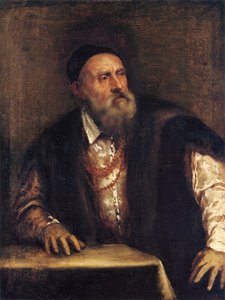
Tiziano Vecellio: The Venetian Titan
Tiziano Vecellio, universally known as Titian, stands as a monumental figure of the Italian Renaissance—perhaps its most celebrated colorist and a master who redefined the possibilities of oil painting. Born around 1490 in Pieve di Cadore, nestled amidst the dramatic landscapes of the Venetian Alps, his journey from humble beginnings to international acclaim is a testament to prodigious talent and an unwavering dedication to artistic innovation. The exact date of Titian’s birth remains elusive, debated by scholars, but contemporary sources and his early stylistic development converge on estimates between 1488 and 1490.
His father, Gregorio Vecellio, was a military man—a profession that instilled in young Tiziano a disciplined spirit and an appreciation for observation. Lucia, his mother, nurtured him with affection and fostered his artistic inclinations. Recognizing their sons’ potential, the family arranged for Tiziano and Francesco to apprentice with Sebastiano Zuccato, a mosaicist—a decision that would irrevocably alter the course of art history. This formative experience exposed them to the meticulous craftsmanship required for creating intricate decorative panels, shaping their aesthetic sensibilities from an early age.
Titian’s artistic training continued under Giovanni Bellini, who was then Venice’s most prominent painter and a revered teacher. Bellini’s workshop fostered a tradition of Venetian painting characterized by lyrical beauty and subtle tonal harmonies—influences that would permeate Titian’s oeuvre throughout his life. Notably, he collaborated closely with Giorgione—a fellow Venetian artist whose groundbreaking style championed atmospheric perspective and psychological depth.
A Master's Early Style: Giorgione's Influence
The partnership between Titian and Giorgione proved pivotal in shaping Titian’s artistic vision. Their collaboration on the exterior frescoes for the Fondaco dei Tedeschi—a bustling trading post frequented by German merchants—established a stylistic precedent that would endure for decades. The paintings showcased a remarkable sensitivity to light and color, reflecting Giorgione’s pioneering exploration of atmospheric perspective—a technique that aimed to convey the illusion of depth and realism.
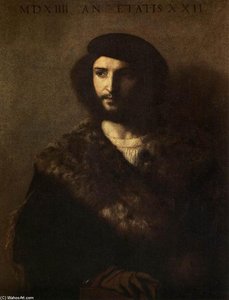
Titian’s early works embody this Giorgionesque aesthetic—characterized by hazy landscapes, muted palettes, and an emphasis on capturing mood rather than precise detail. Paintings like *A Man with a Quilted Sleeve* exemplify his burgeoning talent for portraiture, skillfully portraying not only the physical likeness of his subjects but also their inner character—a hallmark of Venetian Renaissance painting.
Expanding Horizons: Bellini's Legacy and Artistic Maturity
Following Giorgione’s untimely death in 1510, Titian continued his artistic development under Giovanni Bellini’s guidance—though Bellini himself was gradually withdrawing from active painting. This period witnessed a gradual shift toward bolder compositions and more assertive color palettes—reflecting Titian’s growing confidence as an independent artist.
His monumental altarpiece for Santa Maria Gloriosa dei Frari—commissioned in 1518—marked a watershed moment in Venetian painting history. The ambitious undertaking demanded mastery of technique, compositional innovation, and chromatic brilliance—qualities that Titian possessed in abundance. This masterpiece cemented his reputation as Venice’s foremost painter and established him as a pioneer of monumental fresco painting.
The Venetian School's Dominance
Titian’s influence extended far beyond his own lifetime, shaping the artistic landscape of Europe for centuries to come. He became a cornerstone of the Venetian school—a movement that championed coloristic realism and psychological depth—inspiring artists across generations. From Rubens and Rembrandt to Delacroix and Monet, Titian’s techniques—particularly his innovative layering of pigments and his masterful manipulation of light—became models for aspiring painters.
His legacy endures not only in the masterpieces he created but also in the enduring fascination with color and emotion that characterizes Venetian art. Tiziano Vecellio—Titian—remains an unparalleled figure in the history of painting, a testament to artistic genius and an embodiment of the Renaissance spirit.
Tiziano
1490 - 1576 , Italia
Datos clave
- Artistic Movement Or Style: Renacimiento Veneciano
- Artists Or Movements Influenced By This Artist:
- Rubens
- Delacroix
- Artists Who Influenced This Artist:
- Giovanni Bellini
- Giorgione
- Date Of Birth: c. 1490
- Date Of Death: 1576
- Full Name: Tiziano Vecellio
- Nationality: Italiano
- Notable Artworks:
- La Schiavona
- Venus de Urbino
- Place Of Birth: Pieve di Cadore, Italia
Artículos relacionados
Francis Bacon: Las 25 Obras Maestras del Expresionismo y su Impacto en el Arte Moderno
Explora las 25 obras maestras de Francis Bacon, el expresionismo visceral y la angustia humana. Descubre retratos icónicos, trípticos impactantes y su legado en el arte moderno. Reproducciones de museo en ArtsDot.com.

Fra Angelico: Las 25 Obras Maestras del Renacimiento para Decorar con Arte y Fe
Descubre las 25 obras maestras de Fra Angelico, el pintor renacentista que llenó el arte sacro de luz y fe. Explora su técnica, simbolismo y belleza en frescos e iconos. Encuentra reproducciones de alta calidad para decorar tu hogar con ArtsDot.com.

Rafael: Las 25 Obras Maestras que Definen al Genio del Renacimiento | ArtsDot
Descubre las 25 obras maestras de Rafael Sanzio, el genio del Renacimiento. Explora su historia, técnica y significado en pinturas icónicas como 'La Escuela de Atenas'. Reproducciones de arte de alta calidad para decorar tu hogar con elegancia. ¡Explora la colección completa en ArtsDot.com!

Los 25 Tesoros del Uffizi: Arte Renacentista para tu Hogar | ArtsDot
Descubre los 25 tesoros del Uffizi en Florencia: Botticelli, Leonardo da Vinci y más. Explora la historia, el arte renacentista y encuentra reproducciones de alta calidad para tu hogar. ¡Inspírate con ArtsDot.com!
Giotto di Bondone: Las 25 Obras Maestras que Definieron el Renacimiento | ArtsDot
Descubre las 25 obras maestras de Giotto di Bondone, el pionero del Renacimiento. Explora la historia, técnica y simbolismo de sus frescos italianos más icónicos. Encuentra reproducciones de arte exclusivas para decorar tu hogar en ArtsDot.com.