
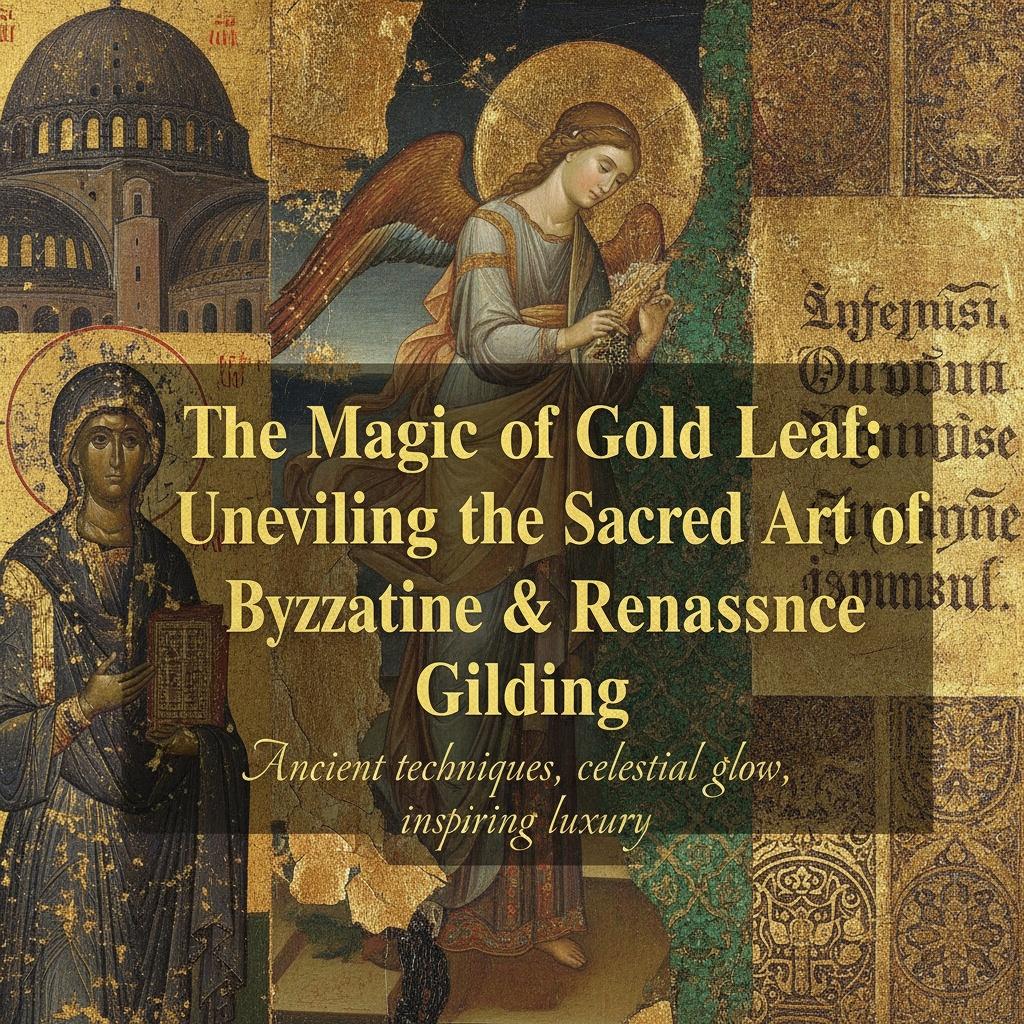
The Alchemy of Divinity: Gold as the Eternal Symbol of the Sacred
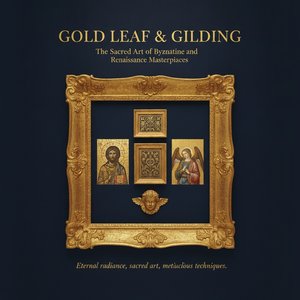 The Sacred Glow: Mastering Gold Leaf and Gilding in Byzantine Art
The Alchemy of Divinity: Gold as the Flesh of the Gods The Allure of Gold in Art History: Symbolism, Technique & Cultural Significance The Ancient Roots: Gold as Divine Symbolism Wikipedia: Gold leaf Gold leaf is gold that has been hammered into thin...
To gaze upon a masterpiece of the Byzantine era is to encounter far more than mere pigment and metal; it is to witness a celestial phenomenon captured in physical form. Throughout the long, shimmering annals of art history, gold has functioned as an alchemical bridge between the terrestrial and the divine. It possesses a unique optical property that transcends the limitations of standard palettes, reflecting light in a way that breathes life into the canvas even in the most dimly lit galleries. This radiance does not simply sit upon the surface; it interacts with the viewer’s movement, shifting and shimmering as if the artwork itself were breathing.
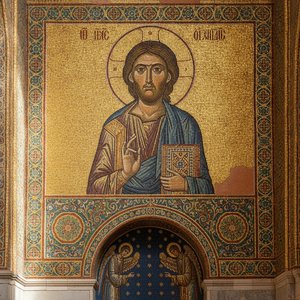
From its earliest civilizations, gold has held a power far exceeding its monetary value. It was never merely a display of wealth, but rather a material imbued with an atmospheric, otherworldly luminescence. In ancient Egypt, gold adorned sarcophagi and masks not just for prestige, and as the essential flesh of the gods, ensuring safe passage to the afterlife through its unchanging brilliance. This association with immortality—the idea that gold, resistant to tarnish and decay, mirrors the eternal nature of the divine—found its most profound expression in the Byzantine Empire. Here, the metal became a theological necessity, a way to represent the uncreated light of heaven within the reach of human sight.
Mastering the Glow: The Intricate Techniques of Byzantine Gilding
 Gold ground
Gold ground (both a noun and adjective) or gold-ground (adjective) is a term in art history for a style of images with all or most of the background in a solid gold colour. Historically, real gold leaf has normally been used, giving a luxurious appea...
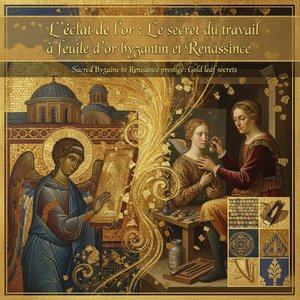
The creation of a gilded icon was a labor of profound devotion, requiring a mastery of both chemistry and spirit. At the heart of this process lies the delicate art of gold leaf, gold that has been hammered into incredibly thin sheets, often around 0.1 micrometers thick, through a painstaking process known as goldbeating. This extreme thinness allows the metal to conform to the textures of the underlying surface, creating a seamless, luminous skin.
In the Byzantine tradition, the use of a gold ground—a style where the background is composed entirely or primarily of solid gold—was the dominant method for creating sacred images. This technique was particularly effective in mosaics and illuminated manuscripts, where the light could dance across the surface of the tesserae or the fine vellum. The process involved preparing a specialized ground, often using gesso to create a smooth, absorbent base that would hold the precious metal. When applied correctly, the gold leaf does not merely decorate; it transforms the panel into a window to another realm, where the figures are suspended in a state of eternal, glistering grace.
From Icons to Altarpieces: The Evolution of Gold in Renaissance Art
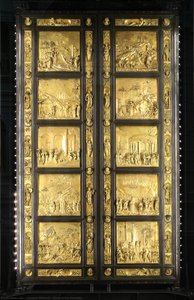 Door of the Paradise
Exquisite Masterpiece of Early Renaissance Art Step into the grandeur of the Italian Renaissance with this stunning gilded altarpiece, crafted by the renowned artist Lorenzo Ghiberti in 1452. Measuring an impressive 520 by 310 centimeters, this work ...
As the artistic tides shifted from the Byzantine era toward the burgeoning Renaissance, the role of gold underwent a fascinating metamorphosis. While the sacred weight of Byzantine iconography remained a foundational influence, Renaissance masters began to integrate gold into more complex, naturalistic compositions. We see this evolution clearly in the works of workshops such as that of Severo da Ravenna, where artists masterfully blended Gothic traditions with the emerging Renaissance aesthetic, using rich gilding to breathe life into devotional altarpiece panels.
The grandeur of the Italian Renaissance brought about monumental achievements like Lorenzo Ghiberti’s Door of the Paradise. In such works, gold was no longer just a flat, symbolic background but part of an intricate, three-dimensional narrative. The use of gilding became more sculptural and ornamental, often paired with precious gemstones or fine enamel to create a sense of overwhelming splendor. This era saw the transition from the purely symbolic "gold ground" toward landscapes and architectural settings, yet the allure of gold remained the essential thread that connected the earthly beauty of the Renaissance to the divine subjects being depicted.
Light and Texture: The Visual Impact of Gold Leaf on the Viewer
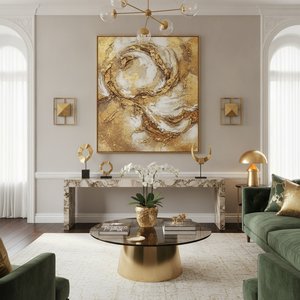
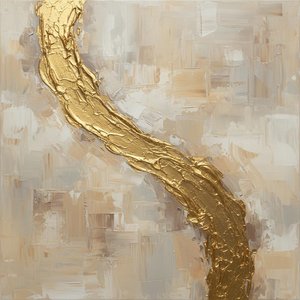 Gilded Fragmented Motion: A Monumental Study in Gold and Sculptural Impasto Texture
A Vision of Sculptural Grandeur Gilded Fragmented Motion: A Monumental Study in Gold and Sculptural Impasto Texture is a breathtaking exploration of movement, light, and tactile depth. This masterpiece captures a powerful, sinuous sweep of metallic g...
The true magic of gilding lies in its tactile and optical depth. Unlike standard pigments, which absorb light, gold leaf reflects it, creating a dynamic experience that changes with every step the viewer takes. This interaction creates a sense of sculptural grandeur. In modern interpretations, we see this reflected in works that explore impasto texture, where heavy, rhythmic ridges of metallic gold collide with more neutral, muted tones to create a sophisticated balance between controlled chaos and meditative stability.
This interplay of light and shadow—the chiaroscuro of the gilded surface—commands attention. Whether it is the smooth, mirror-like finish of a classical icon or the thick, textured sweeps of contemporary gold-leafed impasto, the metal provides a sense of weight and permanence. It invites the viewer to linger, to observe how a single highlight can transform a figure's expression or how a gilded halo can frame a face with an expansive, luminous aura that feels both ancient and strikingly contemporary.
Modern Reflections: Bringing the Radiance of Gilded History into Contemporary Interiors
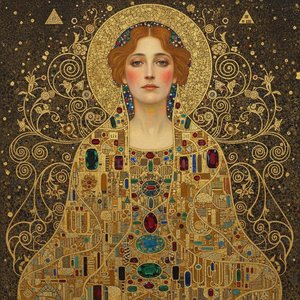 The Gilded Sovereign: An Eternal Radiance in Gold and Gemstone
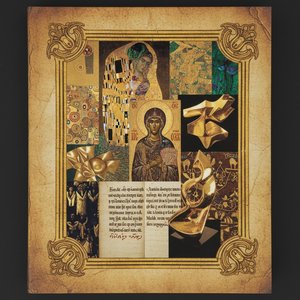
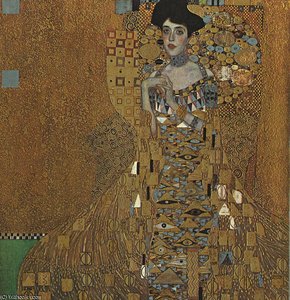
A Vision of Eternal Splendor Step into a realm of transcendent beauty with "The Gilded Sovereign: An Eternal Radiance in Gold and Gemstone." This breathtaking masterpiece serves as a modern homage to the legendary Golden Phase of Gustav Klimt, blendi...
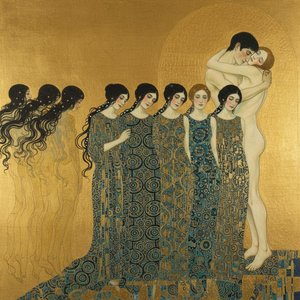
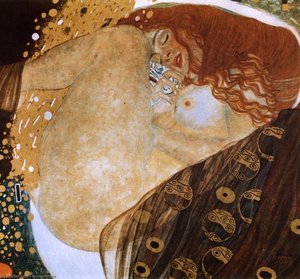
Today, the legacy of Byzantine and Renaissance gilding continues to inspire those seeking to infuse their homes with meaning and elegance. The "Golden Phase" of artists like Gustav Klimt serves as a modern homage to these ancient traditions, blending decadent ornamentation with a sense of sacred weight. For the contemporary art enthusiast, incorporating elements of gold leaf into a living space is not about mere ostentation; it is about capturing a moment of artistic perfection and bringing a touch of the eternal into the everyday.
Whether through a large-scale multi-panel set that spans a wide wall or a single, intimate portrait, the use of gold can transform an interior from a simple room into a sanctuary of light. At ArtsDot.com, we celebrate this enduring magic. We offer exquisite hand-painted oil reproductions and museum-quality prints that allow you to bring the splendor of history into your modern home. From custom commissions that reimagine your personal milestones in the style of the masters to carefully curated collections designed for easy browsing by color and mood, our mission is to make the breathtaking beauty of the gilded past accessible to everyone. Discover how a touch of gold can illuminate your world.