


The Microscopic Marvel: Botanical Illustration and the Art of Precision
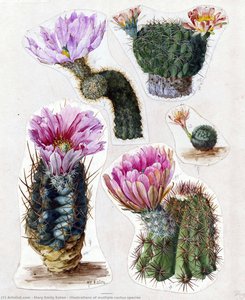 Illustrations of multiple cactus species
A Botanical Symphony in Watercolor In the delicate intersection of scientific precision and pure aesthetic grace lies Mary Emily Eaton’s Illustrations of multiple cactus species . This exquisite watercolor composite serves as a window into a world wh...
To wander through the annals of art history is to witness a profound, ancient dialogue between humanity and the verdant world. Long before the advent of the camera lens, our understanding of the natural world was inextricably linked to the skill, patience, and steady hand of the artist. This era gave rise to a beautiful necessity: the scientific illustration, where the objective requirement for accuracy met the subjective pursuit of aesthetic grace. In these works, we find no room for the sterile or the mundane; instead, we encounter a flourishing canvas where botanical realism captures nature's true essence.
Consider the delicate beauty found in early botanical records, where the fragility of specimens necessitated the artist’s hand, transforming fleeting biological realities into enduring visual forms. In the works of masters like Mary Emily Eaton, we see a botanical symphony in watercolor. Her illustrations of various cactus species are more than mere records; they are exquisite studies where the rugged, resilient textures of the desert meet the soft, ethereal touch of a master's brush. One can almost feel the prickly spines and the velvety petals through the meticulous layering of pigment. This precision is not merely decorative; it is an epistemological tool, a way of knowing the world through the very act of seeing and rendering detail.
This tradition of observation reached breathtaking heights during the Victorian era, particularly through the pioneering work of women like Helena Nellie Scott. Her 1864 illustration of the Bent-wing Swift Moth is a window into an era of meticulous dedication. In her work, every scale of the moth is painstakingly rendered to suggest a subtle shimmer, and the intricate veins of the wings are shaded to convey depth and form. Such works transcend mere representation; they embody a spirit where scientific observation and artistic sensitivity intertwine, proving that the most profound truths of science are often best communicated through the language of art.
Celestial Tapestries: Capturing the Infinite through Astronomical Art
 Institute of Astronomy
A Celestial Tapestry: The Soul of the Institute of Astronomy To step into the Institute of Astronomy in Cambridge is to leave the terrestrial realm behind and enter a sanctuary dedicated to the infinite. While many institutions of prestige surround u...
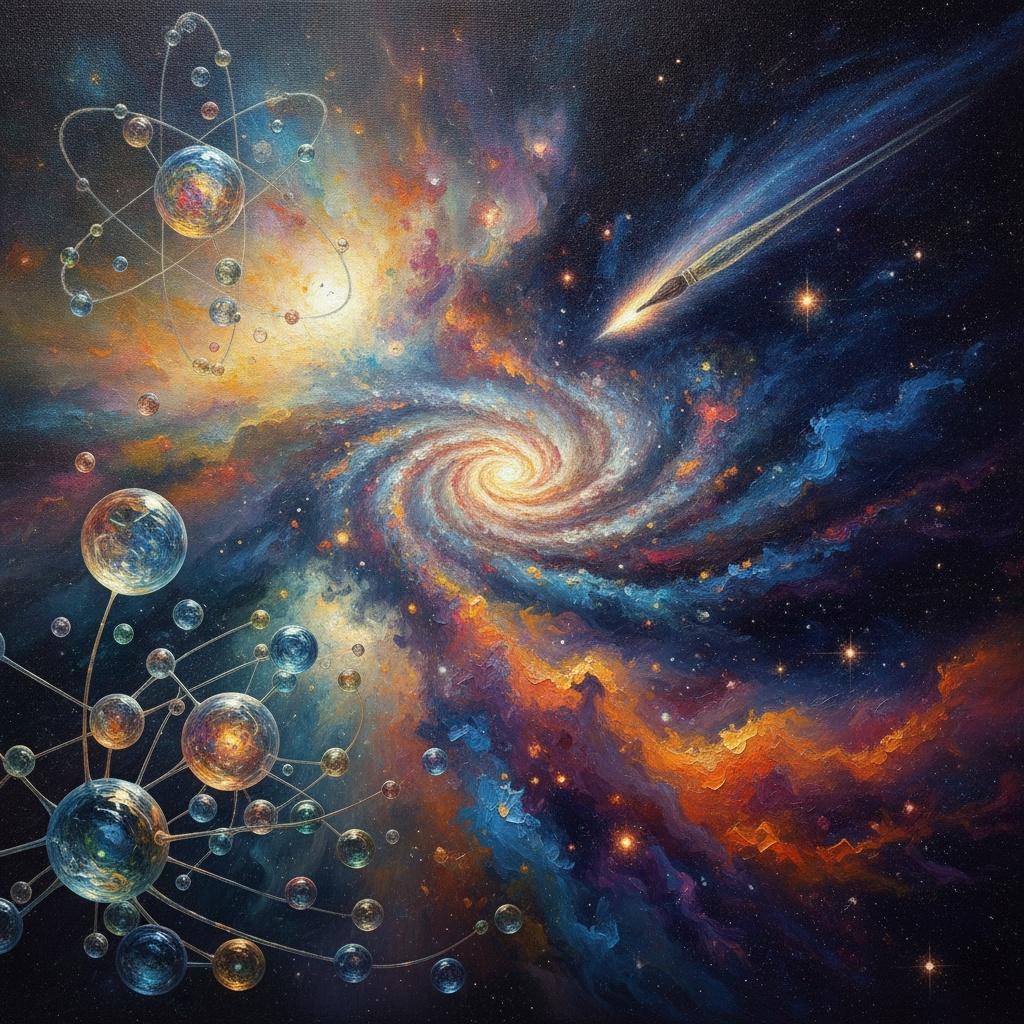
If botanical illustration invites us to kneel and observe the earth, astronomical art compels us to look upward and lose ourselves in the infinite. To step into a space dedicated to the stars is to leave the terrestrial realm behind and enter a sanctuary of light and shadow. There is a unique kind of masterpiece written in the silent language of the cosmos—one that exists far beyond the reach of human scale, inviting the observer to contemplate the grandest canvas ever conceived: the universe itself.
The beauty of astronomy lies in its ability to dissolve the boundaries between rigorous scientific inquiry and profound visual storytelling. While we often think of science as a collection of cold data, the archives of institutions like the Cambridge Institute of Astronomy reveal a different truth. The true art is found within the data itself—the intricate spectra from telescopes that reveal the chemical signatures of distant suns, and the mesmerizing simulations that model the very evolution of galaxies. These are celestial tapestries woven from light, capturing phenomena that transcend our physical existence.
For the dreamer and the historian alike, this intersection offers a window into the sublime. There is a poetic mystery in the way we map the distribution of galaxies or trace the path of a comet. It is a pursuit that requires both the precision of mathematics and the imagination of a painter. When we gaze upon images of celestial bodies—be it the rings of Saturn or the glowing nebulae of deep space—we are participating in a visual journey that connects our small, human perspective to the vast, eternal mechanics of the cosmos.
The Observer's Eye: How Scientific Inquiry Fuels Artistic Expression
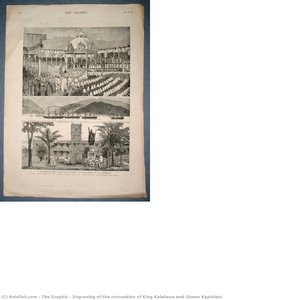 The Graphic
The Pioneering Vision of *The Graphic* Founded in December 1869 by the artist and engraver William Luson Thomas, *The Graphic* emerged as a bold challenge to the established dominance of the *Illustrated London News*. More than just another illustrat...
At its heart, the relationship between science and art is defined by the precision of perception. There is a profound convergence where the analytical mind meets the creative soul. In scientific illustration, the artist is tasked with a rigorous fidelity to reality, yet this does not preclude the infusion of beauty. The goal is to generate expressive images that effectively convey information, enhancing the viewer's interest and understanding through visual clarity.
This synergy is evident in the way historical scientific publications, such as The Graphic, prioritized visual storytelling. Founded on the principle that artists should be valued contributors rather than mere factory hands, such platforms allowed for an authenticity that resonated deeply with the public. This commitment to quality ensured that even when depicting social issues or natural phenomena, the artistic merit remained paramount. The observer's eye is trained by both disciplines: science provides the subject and the structure, while art provides the light, the texture, and the emotional resonance that makes the discovery memorable.
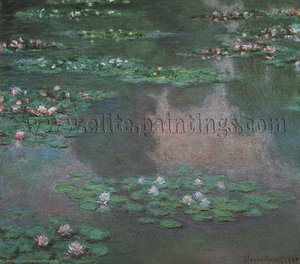
This dialogue extends to the very way we perceive movement and change. While movements like Impressionism sought to capture the fleeting effects of light and the passage of time, scientific illustration seeks to freeze a moment of biological or physical truth. Both, however, rely on the same fundamental skill: the ability to observe the world with an intensity that reveals what is otherwise hidden to the casual glance. Whether it is the way light hits a petal or the way a shadow falls across a lunar crater, the artist's eye serves as the bridge between raw discovery and human comprehension.
From Sketchbooks to Galleries: The Evolution of Scientific Visual Storytelling
 The Art of Precision: A Definitive Guide to the History and Beauty of Scientific Illustration
The Roots of Observation: From Ancient Herbals to the Renaissance The Delicate Beauty of Botanical Realism: Capturing Nature's True Essence through the Lens of Art History The Roots of Observation: From Ancient Herbals to Scientific Precision The Flo...
The journey of scientific imagery has traveled from the ancient herbals of Egypt and the illuminated manuscripts of the Middle Ages to the sophisticated digital reconstructions of today. In the early days, botanical depictions were often imbued with symbolic meaning, reflecting a worldview where beauty, utility, and religious belief were inextricably intertwined. These early records were not just for apothecarities; they were spiritual and intellectual enlightenments, much like the very definition of the word illustration itself.
As we moved into the Renaissance and the subsequent Enlightenment, a significant shift occurred toward empirical observation. The artist's role evolved from replicating form to capturing essence. This era demanded an unprecedented level of detail, leading to the rise of specialized genres such as zoological and medical illustration. Figures like Félix Édouard Guérin-Méneville became pivotal, using their artistic journeys to document the animal kingdom with a precision that profoundly impacted both scientific knowledge and artistic practice.
Today, this evolution continues through new technologies. We now possess tools for forensic astronomy and digital modeling that allow us to reconstruct historical events or visualize the invisible. Yet, even in an age of high-definition photography, the hand-painted reproduction holds a unique power. The visible brushstroke, the depth of tone, and the tactile nature of oil on canvas offer a connection to the subject that a digital screen cannot replicate. We are moving from the era of mere documentation into an era of reimagination, where we can use the tools of the past to celebrate the discoveries of the present.
Bridging Eras: Reimagining Scientific Wonders through Modern Custom Art
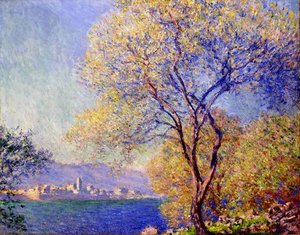
 Impressionism
Impressionism was a 19th-century art movement characterised by visible brush strokes, open composition, emphasis on accurate depiction of light in its changing qualities (often accentuating the effects of the passage of time), ordinary subject matter...
In our contemporary world, the boundary between historical scientific beauty and modern personal expression has become beautifully blurred. We now live in an age where we can "remix" art history, bringing the grandeur of the past into our modern living spaces. This allows for a unique form of personalization, where one might request a photograph to be transformed into the impasto style of Van Gogh or see a modern landscape reimagined through the light-drenched lens of Monet.
This ability to bridge eras is perhaps most exciting in the realm of custom commissions. Imagine transforming a personal milestone—a wedding portrait or a cherished pet—into a masterpiece that echoes the dignity of a 17th-century oil painting. Through advanced digital mockups and the skill of academic artists, we can now achieve "Period Shifts," turning a simple modern image into a work of historical significance. This is not just about decoration; it is about creating lasting memories that carry the weight and texture of history.
Whether through large-scale murals that recreate the splendor of a Renaissance ceiling or multi-panel sets that bring the complexity of a biological study to a wide contemporary wall, the mission remains the same: to celebrate wonder. At ArtsDot.com, we invite you to join this ongoing journey of discovery. Whether you are browsing by color, mood, or the scientific themes that move you, our collection is designed to help you build a home filled with meaning, beauty, and the eternal fascination of the cosmos.