Introduction
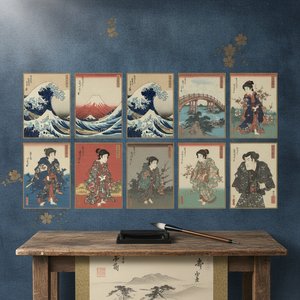
Imagine standing before a silk scroll as the morning mist begins to lift over a quiet mountain peak, or watching the rhythmic dance of cherry blossoms caught in a sudden spring breeze. To step into the world of Japanese landscape painting is to enter a conversation between humanity and the natural soul. It is an art form that does not merely seek to document a place, but to capture its essence —the fleeting, beautiful, and often melancholic heartbeat of the earth itself.
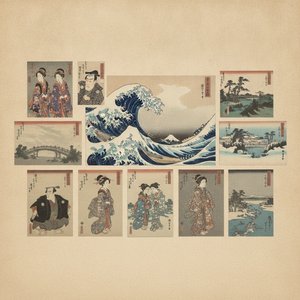
For centuries, Japanese masters have utilized the delicate balance of ink, light, and empty space to tell stories of reverence. From the early, profound spiritualism of Sumi-e ink wash traditions to the vibrant, sweeping vistas of the Ukiyo-e woodblock era, these landscapes reflect a culture deeply rooted in the seasons. This movement was never just about scenery; it was a philosophical journey through concepts like wabi-sabi —finding perfection in the imperfect and beauty in the transient.
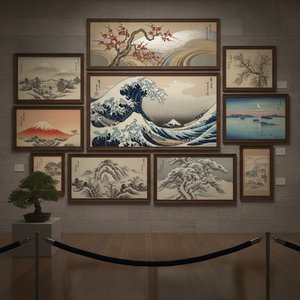
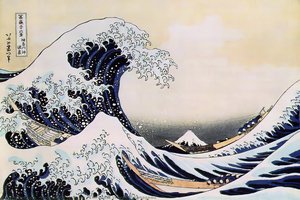
Today, these masterpieces continue to resonate within our modern homes and hearts. In an age of digital noise, there is a profound, restorative power in the quietude of a Zen-inspired valley or the bold, graphic strength of a wave crashing against a rugged coast. They remind us to slow down, to breathe, and to find harmony within our own surroundings.
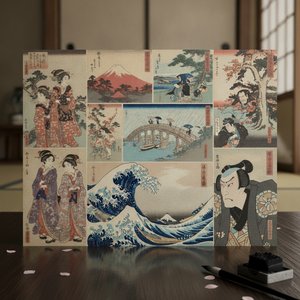
As we wander through this curated selection, we will explore ten pivotal works that did more than just capture nature; they redefined how the world perceives it. Each piece on this list represents a milestone in artistry, offering you a window into a timeless legacy of color, texture, and emotion. Prepare to discover landscapes that do not just sit upon a wall, but invite you to step inside them.
Fushimi, Station # 51 - Utagawa Hiroshige
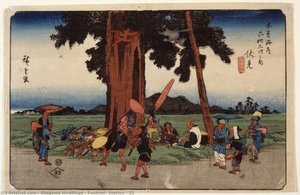 Fushimi, Station # 51 - Utagawa Hiroshige
Owning Fushimi, Station #51 by Utagawa Hiroshige isn’t merely a purchase; it is an inheritance of the soul. As part of this definitive collection of Japanese landscape painting, this masterpiece serves as a quiet handshake across centuries, inviting you into the vibrant, breathing world of Edo-period Japan. Hiroshige, the last great master of ukiyo-e , captures a fleeting moment of social harmony beneath the shade of a majestic tree. The scene is alive with the soft textures of travelers pausing by a tranquil pond, their umbrellas and bundles adding a rhythmic pulse to the composition.
Notice the luminous depth achieved through the innovative use of Prussian blue, creating an atmospheric glow that feels both nostalgic and eternally fresh. There is a profound prestige in the way light filters through the foliage, a technique that famously whispered to the Impressionists. Bringing this lineage of taste into your home means more than decorating; it is about surrounding yourself with a legacy of beauty. At ArtsDot, we bring this museum-quality atmosphere to your walls, allowing you to live within the poetic stillness of Hiroshige’s floating world.
Suruga-chô - Katsushika Hokusai
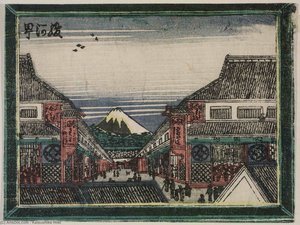 Suruga-chô - Katsushika Hokusai
In Suruga-chô by Katsushika Hokusai, one does not merely view a landscape; one experiences a profound sense of stillness amidst movement. As your eyes wander across the breathtaking panorama of Suruga Bay, you are met with the quiet authority of Mount Fuji, rising with unshakeable constancy above a restless, churning sea. This masterpiece from the legendary Thirty-Six Views of Mount Fuji series captures a universal human truth: the search for an emotional anchor in a world of constant change.
Hokusai’s technical mastery of the Ukiyo-e woodblock technique—specifically the use of rich Prussian blue—creates a rhythmic, atmospheric depth that feels almost alive. The delicate interplay between the ephemeral waves and the eternal mountain offers a psychological sanctuary for the viewer. For those looking to curate a space of profound reflection, integrating this iconic work into a room can transform a modern interior into a meditative retreat. It serves as a beautiful reminder of harmony, making it an essential cornerstone in any collection celebrating the defining works of the Japanese landscape painting movement.
Ceiling Of Ganshoin Temple At Obuse - Katsushika Hokusai
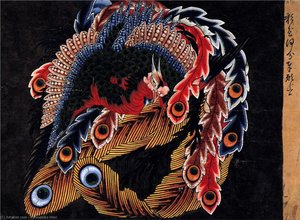 Ceiling Of Ganshoin Temple At Obuse - Katsushika Hokusai
In the Ceiling of Ganshoin Temple at Obuse , Katsushika Hokusai invites us into a celestial sanctuary where nature and spirituality converge. This breathtaking mural transcends traditional landscape painting, offering an immersive experience that captures the very essence of Japanese serenity. As one of the most significant works in our exploration of the Japanese Landscape Painting movement , it stands out for its profound use of symbolic life; a majestic peacock, draped in vibrant azure, perches amidst pine and laurel, weaving a narrative of longevity and peace.
Hokusai’s mastery of contrast—the striking interplay between deep blacks and luminous blues—creates a rhythmic visual energy that feels remarkably modern. For the contemporary decorator, this piece serves as an inspiration for creating mood-driven interiors . The way Hokusai uses color to evoke a sense of quiet drama can be beautifully echoed in a sophisticated living space, perhaps through accent textiles or botanical prints. It is more than a historical relic; it is a timeless lesson in how color and composition can transform a room into a place of profound contemplation.
Cherry Blossoms On Asuka Hill In Edo - Katsushika Hokusai
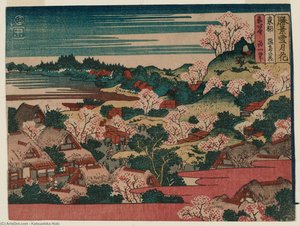 Cherry Blossoms On Asuka Hill In Edo - Katsushika Hokusai
Imagine standing on a gentle slope in Edo, where the air is soft with the scent of spring and the world is painted in delicate hues of pink and pale blue. In Cherry Blossoms On Asuka Hill In Edo , Katsushika Hokusai invites us into this fleeting, serene moment, capturing the very heartbeat of the Japanese landscape painting movement. This masterpiece is far more than a simple woodblock print; it is a poetic meditation on transience. Through his legendary use of Prussian blue and bold, rhythmic outlines, Hokusai breathes life into the blossoming trees that overlook the Asuka Shrine, creating a sense of atmospheric depth that feels almost luminous.
The scene is alive with quiet movement—figures strolling beneath the canopy and the colorful splash of an umbrella—reminding us of the beautiful, cyclical nature of life. Bringing this piece into your home offers more than just decor; it introduces a window of tranquility. Whether hung in a sunlit reading nook or a modern living space, its soft textures and historical soul inspire a sense of calm reflection and a deeper connection to the timeless beauty of the natural world.
Dawn in the licensed quarters - Utagawa Hiroshige
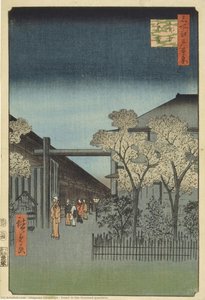 Dawn in the licensed quarters - Utagawa Hiroshige
Imagine standing on a quiet street corner as the first pearlescent light of morning begins to dissolve the shadows of the night. There is a soft, rhythmic hush—the gentle shuffle of wooden sandals and the distant, waking murmur of a city stirring to life. This is the breathtaking atmosphere captured in Dawn in the licensed quarters by the legendary Utagawa Hiroshige.
As one of the definitive masterpieces of the Japanese landscape painting movement, this work transcends mere documentation. Hiroshige, a titan of the ukiyo-e tradition, uses a diffused, dreamlike glow to transform a bustling Edo thoroughfare into a poetic meditation on time and transition. By weaving together at least twelve distinct figures into a tapestry of urban rhythm, he captures the very soul of mid-nineteenth-century Japan.
This piece earns its place among the top ten for its profound ability to evoke serenity through movement . For the modern home, bringing this sense of historical grace into your space offers more than decoration; it provides a window into a world of quiet prestige and enduring beauty, inviting a moment of mindful reflection amidst the rush of contemporary life.
Canary and Peony - Katsushika Hokusai
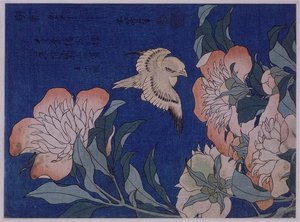 Canary and Peony - Katsushika Hokusai
In the quiet breath of 1834, Canary and Peony by Katsushika Hokusai emerges as a moment of eternal stillness, where the delicate pulse of nature meets the vastness of the world. This masterpiece holds its place among the top 10 Japanese landscape paintings because it masterfully bridges the gap between intimate life and grand vistas. Hokusai invites us into a sensory journey: the vibrant, velvety textures of peony petals contrast beautifully against a deep, atmospheric Prussian blue background that whispers of distant mountains.
The composition creates a profound emotional resonance; the solitary canary, perched with fragile grace, serves as a poignant symbol of resilience amidst the sweeping, stylized mountainscapes. For the modern collector, this work offers more than just historical significance—it brings a sense of Zen-like harmony and sophisticated calm to a contemporary room. Whether displayed as a focal point in a minimalist study or a soft accent in a bright living space, its balance of bold color and delicate detail inspires a timeless, tranquil elegance.
Bullfinch And Weeping Cherry - Katsushika Hokusai
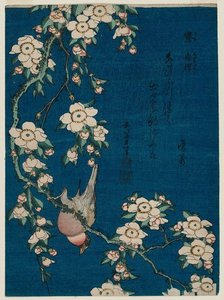 Bullfinch And Weeping Cherry - Katsushika Hokusai
There is a profound, quiet magic in witnessing Bullfinch And Weeping Cherry by Katsushika Hokusai; it captures that fleeting, breathless moment when nature seems to hold its breath. As you gaze upon the delicate bird perched amidst the soft, cascading blossoms, you aren't just looking at a print—you are experiencing a meditation on the transient beauty of life. This masterpiece earns its place among the top 10 defining works of the Japanese landscape movement through its exquisite use of color and its ability to evoke deep tranquility.
Hokusai’s mastery of the ukiyo-e woodblock technique brings a rhythmic vitality to the scene, where vibrant pigments and precise lines create a sense of depth that famously captivated the Impressionists. At ArtsDot.com, we believe this level of serenity should be accessible to every home. Our hand-painted oil reproductions are meticulously crafted to preserve the soul of Hokusai’s work, capturing every delicate brushstroke and tonal nuance. Whether you are decorating a quiet reading nook or a grand living space, bringing this piece into your collection allows you to surround yourself with the timeless, poetic spirit of Edo-period Japan.
Geese Homing at Katata - Utagawa Hiroshige
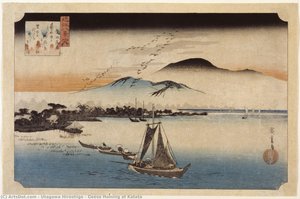 Geese Homing at Katata - Utagawa Hiroshige
In Utagawa Hiroshige’s 1834 masterpiece, Geese Homing at Katata , a profound sense of twilight serenity is anchored by the deep, luminous traces of Prussian blue. This iconic shade doesn't just depict water; it sets a contemplative, soulful mood that captures the very essence of the Japanese landscape painting movement. Hiroshige’s mastery lies in his use of the bokashi technique—a delicate color gradation that allows the dusk sky to melt into the tranquil waters of Lake Biwa, creating an atmospheric depth that feels almost breathable.
As one of the top 10 masterpieces defining this era, the print's palette offers incredible inspiration for modern interior styling. The cool blues and soft, dusky tones are perfect for creating a calming sanctuary in a contemporary bedroom or adding a sophisticated, moody focal point to a dining room. By bringing this piece into your home, you aren't just displaying art; you are curating an emotional atmosphere of resilience and peace, mirroring the graceful journey of the geese returning home through a landscape of eternal beauty.
Station 23, Fujieda - Utagawa Hiroshige
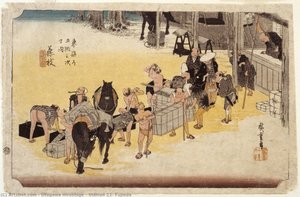 Station 23, Fujieda - Utagawa Hiroshige
Step into the rhythmic pulse of Edo Japan with Station 23, Fujieda by Utagawa Hiroshige. This woodblock masterpiece does more than depict a coastal scene; it captures a fleeting moment of vitality where the movement of a horse-drawn carriage meets the serene, salt-kissed air of the beach. As one of the definitive works in the Japanese landscape painting movement, it earned its place in our Top 10 by masterfully blending atmospheric perspective with the intimate details of daily life—from the bustling travelers to a solitary, contemplative dog.
Hiroshige’s ability to weave light and shadow through delicate color gradations creates a sense of depth that feels remarkably modern. It is this very magic—the ability to transform a historical snapshot into an emotional experience—that we celebrate at ArtsDot.com. Whether you are looking to introduce a sense of tranquil movement to a home office or add a layer of cultural storytelling to your living room, this piece serves as a timeless window into the soul of Japan. Let this masterpiece turn your personal sanctuary into a curated gallery of global history.
Umezawa In Sagami Province - Katsushika Hokusai
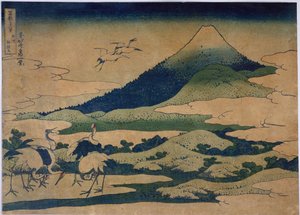 Umezawa In Sagami Province - Katsushika Hokusai
Imagine standing at the edge of a quiet marshland, where the only sound is the soft rustle of leaves and the distant call of a bird. In Umezawa In Sagami Province , Katsushika Hokusai invites us into this very moment of stillness. As part of his legendary Thirty-Six Views of Mount Fuji , this masterpiece captures more than just a landscape; it captures a meditative state of being. Through the delicate use of bokashi —a technique creating soft, atmospheric gradients—Hokusable renders light filtering through dense foliage, making the vast mountains feel both grand and intimately close.
This work earns its place among the top masterpieces of the Japanese landscape movement by beautifully balancing human presence with the sublime. A solitary figure wanders the path, reminding us of our small but meaningful connection to the earth. In our fast-paced modern lives, bringing such a scene into your home can act as a window to tranquility, offering a daily dose of Zen-like mindfulness and a timeless sense of peace.
Conclusion
As we draw the curtain on this journey through the mist-covered peaks and tranquil waters of the Japanese landscape, we find that these masterpieces are far more than mere relics of a bygone era. They are living, breathing presences that continue to pulse with life long after the final brushstroke has dried. To stand before these works is to enter into a timeless conversation—a quiet, profound dialogue between the soul of the artist and the heart of the admirer, spanning centuries and crossing vast oceans.
Each delicate line and intentional wash of color serves as a bridge, connecting our modern, fast-paced lives to a sense of eternal stillness and reverence for the natural world. These paintings do not simply decorate a room; they transform a space, inviting a sense of peace and contemplative wonder into the very fabric of our homes. They remind us that while styles may shift and eras may fade, the human connection to beauty remains an unshakable constant.
Whether you are drawn to the dramatic energy of a crashing wave or the soft, ethereal light of a mountain morning, we invite you to continue your own discovery within our full collection . May these enduring visions of nature inspire you to find your own moments of serenity and to keep the spirit of the masters alive in your everyday life.