
The Technical Revolution: Oil Painting and the Pursuit of Hyper-Realism
 The Birth of John the Baptist
The Birth of John the Baptist Jan van Eyck, a renowned artist of the Northern Renaissance, created “The Birth of John the Baptist,” a captivating oil painting that showcases his mastery of the medium. This work, dated to 1422, is a testament to Van E...
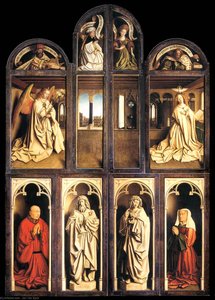
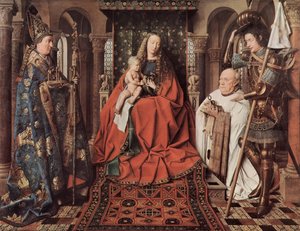
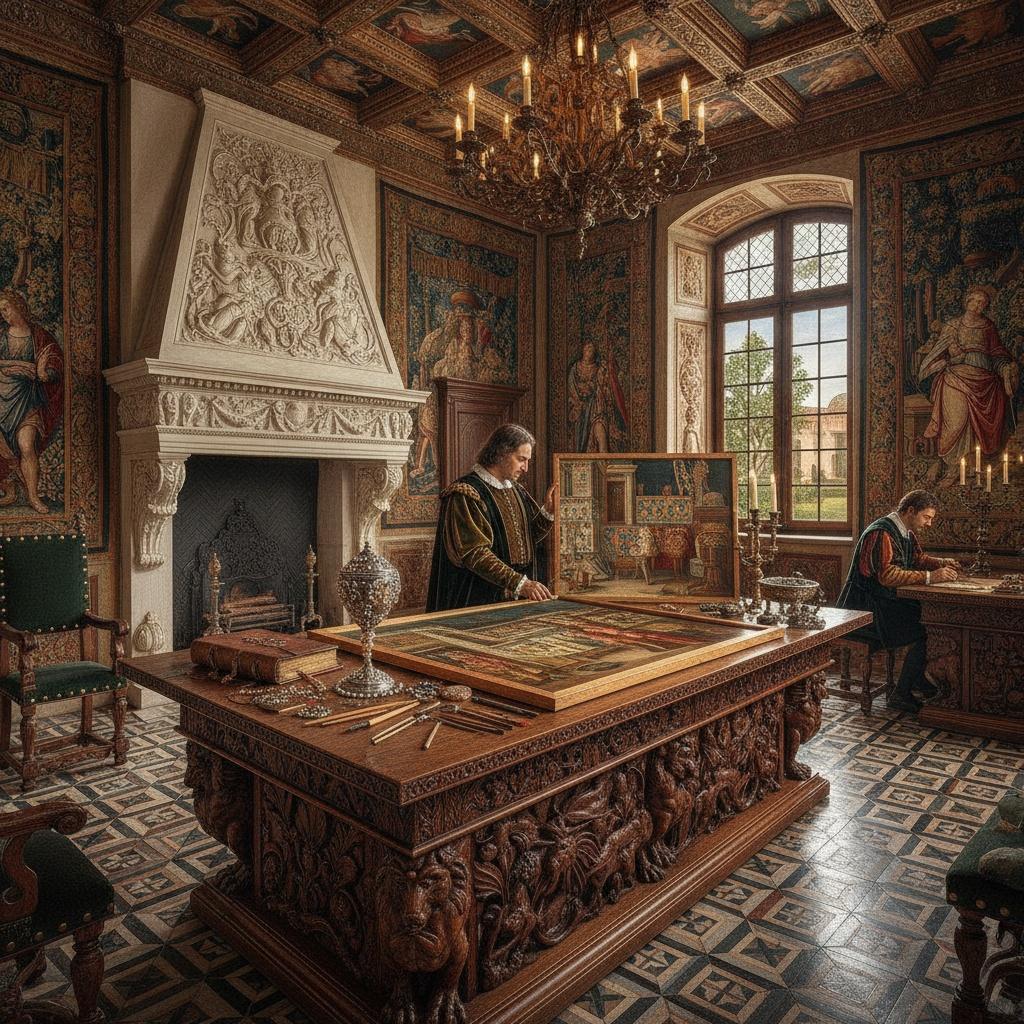
To understand the profound impact of the Early Netherlandish Renaissance on modern interior aesthetics, one must first appreciate the fundamental shift in medium that occurred during the 15th century. Before this era, the prevailing use of tempera often resulted in a flatter, more stylized depiction of reality. However, the virtuosic handling of oil paint by masters such as Jan van Eyck introduced an unprecedented level of luminosity and depth to the canvas. This was not merely a change in chemistry but a revolution in perception. By utilizing multiple half-transparent layers of glazes, these artists achieved a way of capturing light that seemed to breathe within the painting itself.
For the contemporary designer, this technical mastery translates into a tactile richness that modern printing cannot replicate. When we examine works like The Birth of John the Baptist, we see how the medium allows for the rendering of diverse textures—from the soft sheen of silk to the cold glint of metal. This ability to manipulate light and shadow creates a sense of hyper-realism that draws the viewer into an intimate dialogue with the subject. In high-end hospitality settings, where the goal is often to create an atmosphere of quiet luxury and permanence, the presence of such depth provides a foundational layer of sophistication that anchors a room's entire aesthetic.
Symbolic Interiors: Integrating Narrative Depth into Hospitality Design
 Jan van Eyck: Innovation, Symbolism & the Dawn of Early Netherlandish Painting
The Precursors: Setting the Stage for Van Eyck's Revolution Wikipedia: Jan van Eyck Jan van Eyck ( van EYEK; Dutch: [ˈjɑɱ vɑn ˈɛik]; c. before 1390 – 9 July 1441) was a Flemish painter active in Bruges who was one of the early innovators of what beca...
The paintings of the Northern Renaissance were never merely decorative; they functioned as complex visual narratives, where every object served a specific symbolic purpose. In the domestic and religious scenes of the 15th century, a dog might represent fidelity, while a simple vessel could signify purity. This layer of hidden meaning offers a remarkable opportunity for designers looking to imbente their spaces with storytelling. A hotel lobby or a private dining room becomes more than just a physical location when the art adorning its walls invites guests to decode and contemplate deeper truths.
Integrating these works into a modern architectural program allows for a sophisticated interplay between the historical and the contemporary. By selecting pieces rich in iconography, a designer can evoke themes of stability, warmth, or renewal. The careful placement of symbolic elements within a room—much like the way Van Eyck placed objects to guide the eye through a scene—can influence the flow and emotional resonance of a space. This approach moves beyond superficial decoration, transforming an interior into a curated experience that rewards the observant guest with layers of intellectual and emotional engagement.
Mastering Light and Texture: Curating Early Netherlandish Works for Modern Spaces
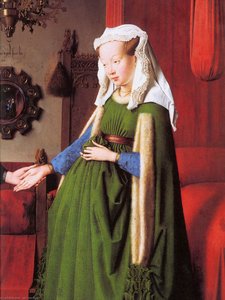
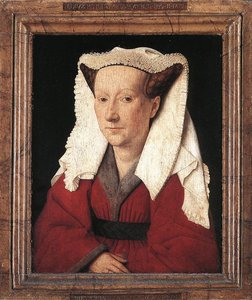 Portrait of Margareta van Eyck
Portrait of Margareta van Eyck The Portrait of Margareta van Eyck , painted by the renowned Flemish artist Jan Van Eyck in 1439, is a seminal work that exemplifies the artistic excellence of the Northern Renaissance. This oil painting, measuring 32 x...
The true hallmark of the Early Netherlandish style is its profound understanding of light and texture. The way light interacts with the surface of a well-executed oil painting can alter the perceived temperature and mood of an entire suite or lounge. When sourcing reproductions, it is essential to prioritize works that showcase this interplay. The subtle gradations of tone found in portraits, such as the Portrait of Margaret van Eyck, demonstrate how light can define form and convey a sense of dignified presence through soft, realistic skin tones and intricate fabric details.
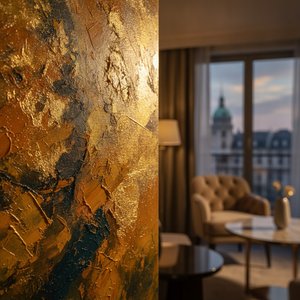
In the context of large-scale procurement, selecting art that emphasizes texture is vital for creating visual interest in minimalist or modern environments. The visible brushstrokes and the physical depth of oil on canvas provide a necessary counterpoint to the smooth surfaces of glass, steel, and polished stone often found in contemporary architecture. By focusing on the "soul" of the piece—the tactile quality of the paint itself—designers can introduce a sense of organic warmth that prevents high-concept spaces from feeling sterile or unapproachable.
Scale and Composition: Utilizing Multi-Panel Layouts for Architectural Impact
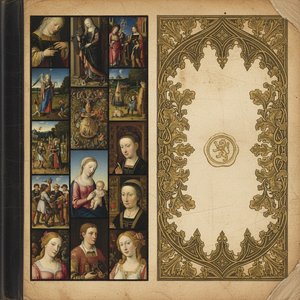 Early Netherlandish Masters: 10 Paintings That Revolutionized Art & Decor
Introduction Imagine stepping into a world bathed in soft light, where every detail – from the glint of gold leaf to the delicate folds of fabric – is rendered with breathtaking precision. This is the realm of Early Netherlandish Painting, a movement...
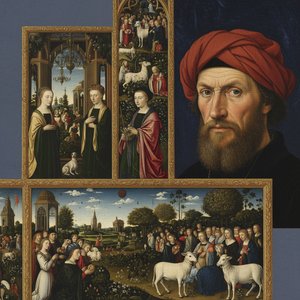
One of the most effective ways to utilize the grandeur of Renaissance art in large-scale commercial projects is through the use of multi-panel or split-image compositions. The trend of dividing a single masterpiece across three, four, or even five panels offers a modern, rhythmic approach to wall decoration. This technique is particularly impactful when addressing expansive surfaces such as grand staircases, long corridors, or wide feature walls in hotel ballrooms. It allows the artwork to become an architectural element in its own right, rather than a mere accessory.
These multi-panel installations demand a high level of precision to ensure that colors and brushstrokes flow seamlessly across each canvas, maintaining the integrity of the original composition. When executed correctly, this method creates a sense of movement and continuity that guides the eye through the space. For procurement managers handling large-scale renovations, these layouts provide a way to scale classical beauty to meet the demands of modern proportions, ensuring that even the most vast architectural volumes are filled with art that feels both monumental and meticulously integrated.
Sourcing Excellence: Procurement Strategies for High-Volume Art Installations
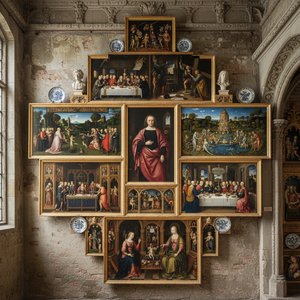 Early Netherlandish Masters: 10 Paintings That Revolutionized Art & Decor
Introduction To embark on a journey through the Top 10 Masterpieces That Defined the "Early Netherlandish Renaissance" is to step into a world where light itself seems to breathe, and reality is rendered with an almost unsettling precision. These pai...
For professionals managing large-scale hospitality or corporate portfolios, the challenge of art procurement lies in balancing aesthetic excellence with operational reliability. Sourcing high-quality reproductions requires a partner who understands the rigors of the industry—someone who can provide consistent quality, predictable timelines, and the logistical support necessary for global installations. The ability to order by the dozen, receive clear VAT-compliant documentation, and rely on expedited shipping via partners like DHL or FedEx is non-negotiable in a high-pressure environment.
Success in large-scale art integration depends on a streamlined workflow: from the initial digital mockup that allows for color matching within an existing interior palette, to the final approval of a pre-shipment photograph. This level of transparency ensures that the final product meets the exact specifications required by the design brief. Whether it is a custom commission designed to transform a personal photo into a Renaissance masterpiece or a bulk order of classical landscapes for a hotel chain, the focus must remain on durability, authenticity, and the seamless execution of the project's vision.
At ArtsDot.com, we specialize in supporting the needs of the global design community. We provide high-volume, professional-grade oil painting reproductions that bring the timeless prestige of the Old Masters to any commercial or residential project. From custom multi-panel layouts to bespoke color adjustments, our service is built for reliability and excellence.