
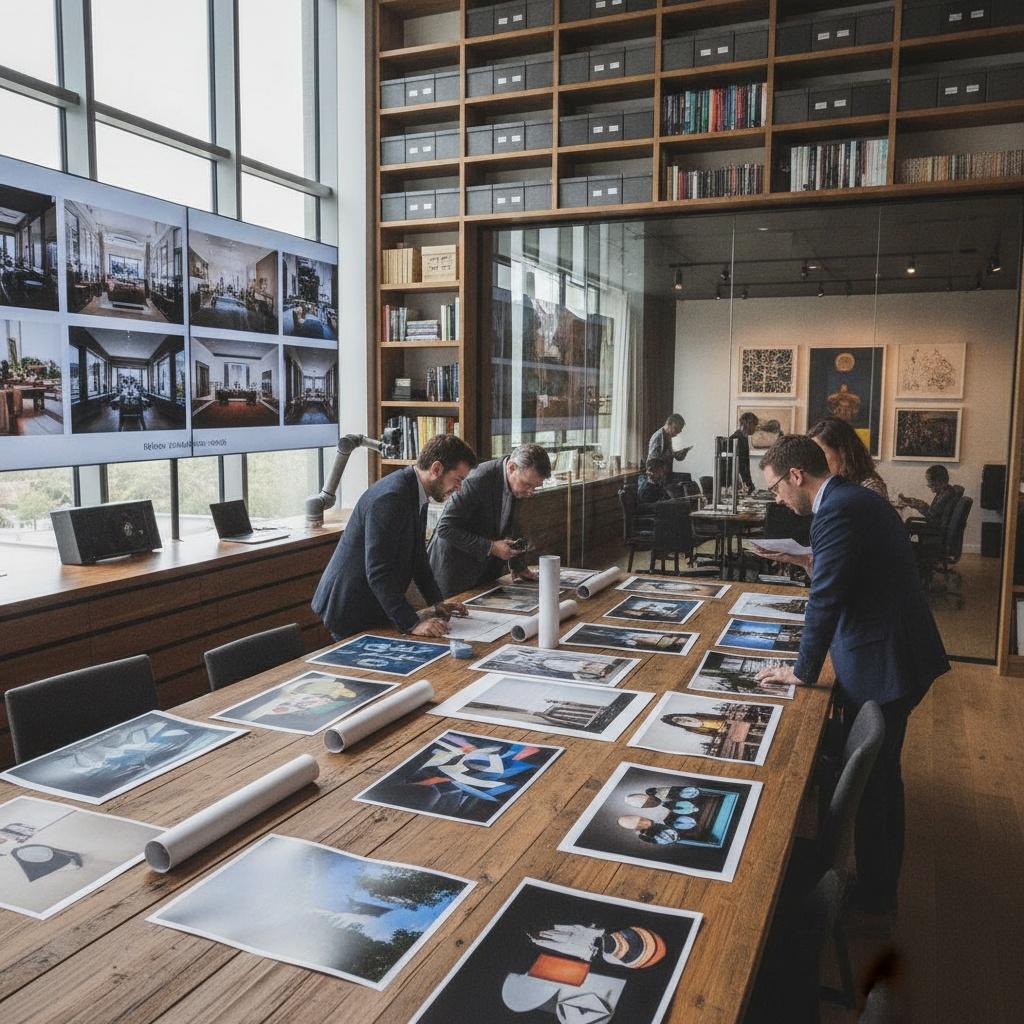
Strategic Integration: Photography as a Brand Anchor in Hospitality Design
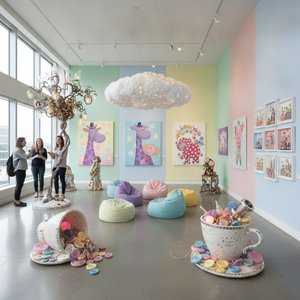 Whimsical Art Collections: A Procurement Guide to Playful Masterpieces for Creative Commercial Spaces
The Strategic Role of Whimsical Art in Hospitality Brand Identity Timeless Elegance: A Procurement Guide to Sourcing Vintage-Style Artworks for Large-Scale Commercial Projects Strategic Art Procurement: Aligning Vintage Aesthetics with Commercial Bra...
In the high-stakes arena of hospitality design, the selection of artwork is far more than a decorative afterthought; it is a fundamental pillar of brand storytelling and spatial atmosphere. For the procurement professional overseeing large-scale hotel renovations or sprawling restaurant franchises, art serves as the silent ambassador of the guest experience. When we consider photography through the lens of fine art, we move beyond mere documentation into the realm of emotional resonance. A carefully curated photographic collection can transform a transient corridor into a curated journey, anchoring a brand identity in historical continuity and sophisticated elegance.
The strategic use of imagery allows designers to create momulents of pause within high-traffic commercial zones. Whether it is the industrial precision found in the archives of the Ford Motor Company Photographic Department or the ethereal, three-dimensional illusions pioneered by the Rotary Photographic Co. Ltd, photography offers a unique versatility. By integrating photographic elements that evoke a sense of permanence and prestige, designers can ensure that every lounge, suite, and lobby contributes to a singular, luxurious narrative that fosters an atmosphere of enduring quality.
Scalable Sourcing: Managing High-Volume Acquisitions for Large-Scale Projects
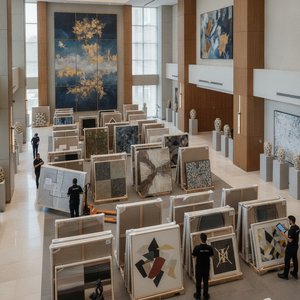 Bulk Art Procurement for Commercial Interiors: A Professional Guide to High-Volume Hospitality & Corporate Decor Solutions
Strategic Art Procurement: Aligning Brand Identity with Large-Scale Operational Efficiency In the high-stakes arena of hospitality design, the selection of artwork is far more than a decorative afterthought; it is a fundamental pillar of brand storyt...
The challenge for the modern procurement manager lies in navigating the complex intersection of uncompromising prestige and rigorous operational efficiency. For those tasked with furnishing an entire hotel wing or a corporate headquarters, the ability to source high-quality art in volume is critical. Achieving a unified aesthetic vision across multiple floors or international locations requires a shift from viewing art as an individual purchase to managing it as a scalable decor solution. This necessitates a supplier that understands the rigors of bulk acquisition, providing the catalog depth required for thematic consistency while offering enough variety to prevent visual fatigue.
Efficiency is the cornerstone of successful large-scale procurement. A professional acquisition strategy must account for predictability in quality, sizing, and delivery timelines. When managing high-volume orders, the focus moves toward a unified decorative program where every piece—whether a massive photographic mural or a series of smaller framed prints—is part of a cohesive architectural plan. This approach ensures that even the most expansive projects maintain a sense of curated intention, allowing for seamless implementation across diverse commercial portfolios.
Materiality and Durability: Evaluating Photographic Prints vs. Hand-Painted Canvas
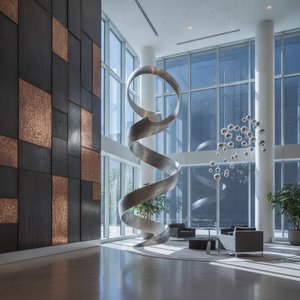 Metal Art for Commercial Spaces: A Procurement Guide to Durable & Modern Large-Scale Decor Solutions
Durability Meets Design: Why Metal Art is the Standard for High-Traffic Commercial Interiors Forged in Fire: The Timeless Strength and Ethereal Beauty of Metal Art The Alchemy of Elements: Understanding the Essence of Metal Artistry The transformatio...
In the demanding landscape of hospitality and corporate architecture, the tension between aesthetic grandeur and operational resilience is a constant challenge. The procurement professional must evaluate how different mediums respond to the rigors of high-traffic environments, including humidity, cleaning cycles, and physical contact. While photographic prints offer incredible precision and clarity, they exist on a spectrum of durability. High-quality Giclée prints, utilizing archival 12-color inks with a 75–100 year rating, provide a reliable and cost-effective solution for expansive wall coverage.
However, for spaces requiring a more tactile and prestigious presence, the choice shifts toward hand-painted oil reproductions. Unlike the flat surface of a digital print, an oil painting on 100% cotton canvas offers visible brushstrokes and a deeper tonal range that captures light in a way no computer print can replicate. These works provide a sense of texture and "soul" that elevates a room from a mere physical location to a destination of substance. For the designer, selecting between the crispness of a photographic print and the impasto depth of an oil painting is a strategic decision involving both aesthetic intent and long-term maintenance considerations.
Curating Visual Narratives: From Industrial Documentation to Modern Abstract Aesthetics
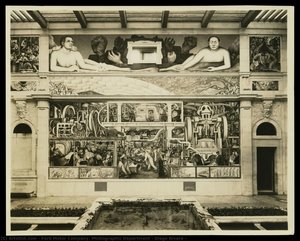 Ford Motor Company. Photographic Department
The Ford Motor Company Photographic Department: Documenting the Rise of a Modern Icon The story of the Ford Motor Company is inextricably linked to the power of visual documentation, and at its heart lies the often-overlooked work of the company’s Ph...
A successful art program utilizes imagery to bridge the gap between historical context and contemporary functionality. We see this in the way industrial photography, such as the work of the Ford Engineering Photographic Department, can be repurposed to celebrate themes of progress, technology, and labor within a modern corporate setting. These images do not merely record history; they mythologize it, providing an anchor of stability and strength. Conversely, for more creative or boutique hospitality brands, the introduction of surrealist or abstract photographic elements can inject a sense of personality and intrigue.
The ability to remix art history allows designers to tailor the visual narrative to the specific architecture of the space. One might combine the commanding presence of black-and-white industrial photography with the vibrant, textured energy of modern abstract panels. This layering of styles creates a rich, multi-dimensional environment. By selecting pieces that challenge traditional views of reality through dreamlike symbolism or geometric precision, designers can transform a standard commercial interior into a memorable, curated experience that resonates deeply with discerning travelers and clients.
Operational Efficiency: Streamlining Bulk Orders, Logistics, and Global Procurement
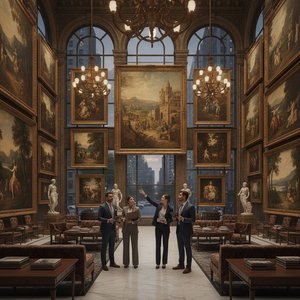 Timeless Elegance: A Procurement Guide to Sourcing Vintage-Style Artworks for Large-Scale Commercial Projects
Strategic Art Procurement: Aligning Vintage Aesthetics with Commercial Brand Identity In the high-stakes arena of hospitality and corporate design, the selection of artwork is far more than a decorative afterthought; it is a fundamental pillar of bra...
For the procurement professional, the success of an art installation is measured not just by its beauty, but by the reliability of its arrival. Managing high-volume acquisitions demands a streamlined workflow that includes clear communication, digital mockups for approval, and robust logistics. A professional service must provide tax-compliant documentation, such as VAT invoices, and the ability to handle international customs complexities seamlessly. The integration of an advanced order management system—providing real-time tracking via SMS or email—is essential for maintaining project timelines in time-pressured environments.
Reliability in global logistics is non-negotiable. Whether utilizing 3mm industrial tubes for rolled art or reinforced double-walled boxes for framed pieces, the integrity of the artwork must be guaranteed from the studio to the site. Furthermore, a truly professional partner offers the flexibility of custom sizing and bespoke property labeling, allowing for white-label shipping that integrates perfectly into large-scale corporate rollouts. Ultimately, trust in the art procurement process is built on operational excellence: predictable delivery, transparent pricing, and the assurance that the initial design vision will remain intact for years of service.
For professional inquiries regarding bulk orders, custom commissions, or trade program registration, please visit ArtsDot.com.