The Psychology of Monochrome: Using Black and White Photography to Define Hospitality Atmosphere
In the high-stakes arena of luxury hospitality, the atmosphere of a space is its most valuable currency. For the discerning designer, the ability to manipulate mood through visual stimuli is paramount, and few tools are as potent as the monochromatic spectrum. Black and white photography transcends mere aesthetic choice; it acts as a psychological anchor within a room. By stripping away the potential distractions of color, we invite the guest to engage with the fundamental elements of light, shadow, and form. This reductionist approach creates a sense of profound stillness and timelessness, essential for high-end lobbies or contemplative suites where the goal is to provide an escape from the chaotic, saturated reality of the outside world.
The impact of monochrome lies in its ability to evoke emotion through contrast alone. A deep, velvety black can lend a sense of mystery and weight to a lounge area, while crisp, luminous whites can expand the perceived boundaries of a compact breakfast nook or corridor. This tonal control allows a designer to dictate the energy of a space—creating tension through high-contrast imagery or serenity through soft, silver-toned gradients. When integrated thoughtfully, black and white photography does not merely decorate a wall; it establishes a sophisticated visual language that communicates stability, elegance, and an enduring sense of luxury that remains unaffected by the fleeting trends of color palettes.
Strategic Scaling: Selecting Large-Format Photography for Lobbies, Atriums, and Suites
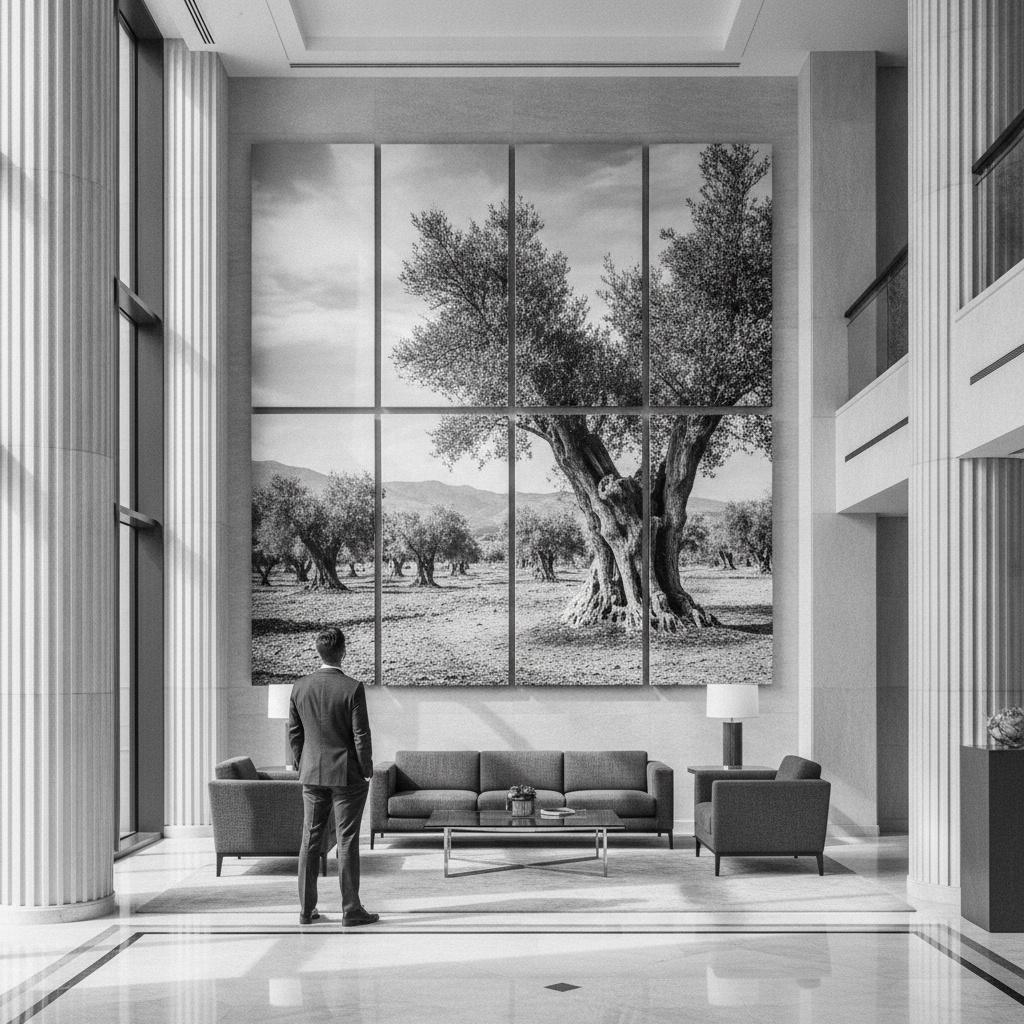
The human experience of space is profoundly influenced by the relationship between physical dimensions and perceived weight. In large-scale architectural environments like hotel atriums or grand lobbies, the challenge lies in preventing the artwork from being swallowed by the sheer volume of the room. A common pitfall for procurement managers is selecting pieces that are too diminutive, which can lead to a sense of visual incompleontness or even fragmentation within the design narrative. To achieve true impact, one must embrace the power of scale. Large-format photography serves as a silent protagonist, capable of anchoring vast expanses and directing the eye toward intended focal points.
Selecting the correct scale requires an intimate understanding of the room's structural rhythm—the ceiling height, the length of the primary wall, and the footprint of the furniture. A monumental photographic work can transform a high-ceilinged entrance into a breathtaking gallery, much like the historical impact of Renaissance frescoes. Conversely, in more intimate settings such as executive suites, the scale must be carefully calibrated to provide presence without overwhelming the guest's personal space. The objective is to find that perfect equilibrium where the artwork feels as though it emerged from the very bones of the architecture, acting as a cohesive element that harmonizes with the structural intent rather than merely being applied to its surface.
Texture and Depth: Integrating Monochromatic Art with Modern Architectural Materials
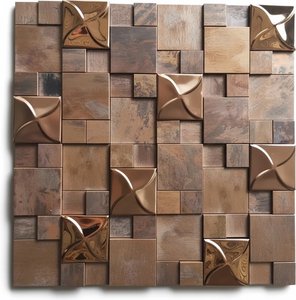
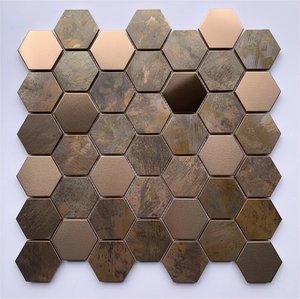
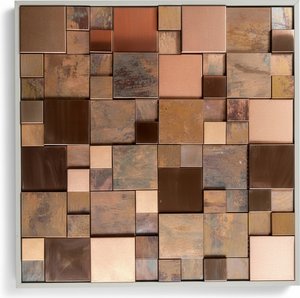
Modern hospitality design often relies on a sophisticated interplay of textures—polished marble, brushed brass, raw concrete, and soft velvets. Black and white photography offers a unique opportunity to deepen this tactile dialogue. Because monochrome art focuses heavily on the nuances of light and shadow, it highlights the physical properties of surrounding materials in ways that color photography cannot. For instance, a high-contrast photographic print can accentuate the reflective sheen of a rose gold or stainless steel sculpture, creating a layered visual experience where the art and the architecture exist in a state of constant, subtle movement.
Furthermore, the introduction of texture within the artwork itself—such as the visible impasto brushstrokes found in hand-painted oil reproductions—adds a three-dimensional quality to the wall. This tactile depth invites closer inspection and provides a sense of artisanal luxury that mass-produced prints lack. When paired with contemporary materials like textured blue metal or matte architectural finishes, monochromatic art creates a sophisticated tension between the organic and the industrial. The goal is to create an immersive environment where the eye can wander from the smooth surface of a granite countertop to the intricate, light-drenched textures of a large-scale canvas, finding a unified aesthetic through the shared language of tonal depth.
Curating Cohesion: Managing Multi-Panel Sets and Large-Scale Murals in Commercial Interiors
For expansive walls, such as those found in grand staircases or long corridors, a single image may not suffice to capture the necessary breadth of the architectural canvas. This is where the trend of multi-panel or "polyptych" arrangements becomes an essential tool for the professional designer. Splitting a singular, powerful photographic composition across three, four, or even five panels allows for a rhythmic distribution of visual interest. These multi-panel sets provide a modern, fragmented elegance that can break up the monotony of long hallways while maintaining a cohesive narrative flow. The seamless transition of tones and shapes across each panel ensures that the architectural rhythm is preserved, creating a sense of continuity that guides the guest through the space.
For even more ambitious projects, bespoke large-scale murals and frescoes offer an unparalleled level of customization. These works can be engineered to cover entire walls or even ceilings, effectively turning a boundary into a storytelling medium. Much like the historical use of wall murals in civic identity, these large-format commissions allow a hotel brand to imprint its unique narrative onto the very fabric of the building. Whether through the graphic energy of a modern abstraction or the sweeping grandeur of a classical landscape, the ability to scale art to the architectural intent allows for the creation of truly bespoke, immersive environments that resonate with the soul of the property.
Procurement Logistics: Streamlining Bulk Orders and Custom Sizing for Hospitality Projects
From a procurement perspective, the success of an art installation depends as much on operational reliability as it does on aesthetic vision. For hotel designers and office managers responsible for large-scale rollouts, the challenges are often centered on scale, budget, and timeline. Managing the acquisition of dozens of pieces across multiple properties requires a supplier that understands the rigors of commercial logistics. This includes the necessity for standardized sizing to ensure consistency, clear and transparent pricing to facilitate budgeting, and the ability to provide VAT-compliant documentation for corporate accounting.
Efficiency in the procurement flow is critical. A reliable partner must offer robust order management systems—providing real-time tracking, digital mockups for approval, and the flexibility to customize dimensions to fit specific architectural requirements. The ability to place large-volume orders with a streamlined re-order process allows designers to maintain brand cohesion across global hotel chains without the administrative burden of sourcing from disparate vendors. Ultimately, the goal is to bridge the gap between high-end artistic vision and functional business necessity, ensuring that every piece arrives securely, on time, and within the precise specifications required for a professional installation.
At ArtsDot.com, we specialize in supporting the unique needs of the hospitality and professional design sectors. From hand-painted oil reproductions to large-scale murals and multi-panel sets, our catalog is built for high-volume, high-quality requirements. We provide the logistical precision that procurement managers demand, including custom sizing, digital mockups, and global shipping with full tracking and warranty protection. Whether you are furnishing a single boutique suite or an entire international hotel chain, we offer the scale, reliability, and artistic excellence necessary to elevate your architectural vision.