


Introduction
To step into the world of Rembrandt van Rijn is to enter a realm where light does not merely illuminate a subject, but breathes life into it. There is a profound, quiet power in his mastery of chiaroscuro —that dramatic interplay of deep, velvety shadows and sudden, piercing highlights—which transforms a simple portrait or a biblical scene into a visceral human experience. As you prepare to journey through these twenty-five definitive works, imagine yourself walking through a darkened gallery where every canvas holds a secret, waiting to be revealed by the flicker of a single candle.
Born in the vibrant Dutch city of Leiden during the height of the Dutch Golden Age, Rembrandt lived through an era of unprecedented maritime prosperity and cultural expansion. This was a time when the Netherlands was redefining itself on the global stage, and Rembrandt stood at its artistic epicenter. His work captured the pulse of this burgeoning republic, moving seamlessly from the prestigious commissions of Amsterdam’s wealthy merchant class to the intimate, psychological depths of his own personal tragedies and triumphs. He did not just paint faces; he painted the very weight of existence, capturing the wrinkles of age, the glint of pride, and the heavy shroud of grief with an honesty that was revolutionary for his time.
These masterpieces remain profoundly meaningful today because they transcend the boundaries of the 17th century. In an age of digital perfection, Rembrandt’s textured brushstrokes and emotional rawneess offer a grounding connection to our shared humanity. His ability to find the divine in the mundane and the monumental in the individual continues to resonate with modern viewers, reminding us that the human condition—in all its complexity, vulnerability, and resilience—is timeless.
In the following selection, we curate a progression of his most impactful achievements. From the iconic, collective energy of his group portraits to the hauntingly solitary reflections found in his late self-portraits, this list serves as a roadmap through the soul of a master. Prepare to encounter the works that defined an era and continue to command the reverence of the world.
Night Watch - Rembrandt van Rijn
 Night Watch - Rembrandt van Rijn
Acquiring a piece inspired by The Night Watch by Rembrandt van Rijn is an investment in unparalleled legacy and sophisticated taste for the discerning collector. As one of the most significant works in the top 25 artworks of Rembrandt van Rijn, this 1642 masterpiece stands as a titan of the Dutch Golden Age. Its historical provenance and immense cultural influence secure its position at the pinnacle of art market value, representing the height of Baroque drama.
The painting is a sensory triumph of chiaroscuro , where deep, velvety shadows collide with brilliant, theatrical highlights to animate Captain Cocq and his militia. Every brushstroke captures a sense of organized chaos, utilizing a rich palette of ochre, deep blacks, and striking reds to create profound depth. The symbolic presence of the illuminated young girl adds a layer of allegorical mystery that continues to captivate viewers centuries later. For modern luxury interiors, a high-quality oil reproduction of this scale carries the same aesthetic authority and monumental status, providing a commanding focal point that radiates timeless prestige and architectural grandeur.
The Anatomy Lecture of Dr. Nicolaes Tulp [1632] - Rembrandt van Rijn
![The Anatomy Lecture of Dr. Nicolaes Tulp [1632]](/media/artworks/images-thumb/e5/fc/e5fcb33447eac6b24ab049b22effa1a3.jpg) The Anatomy Lecture of Dr. Nicolaes Tulp [1632] - Rembrandt van Rijn
The Anatomy Lecture of Dr. Nicolaes Tulp [1632] - Rembrandt van RijnIn the profound silence of a 17th-century lecture hall, light pierces through the darkness to reveal the eternal tension within The Anatomy Lecture of Dr. Nicolaes Tulp [1632] by Rembrandt van Rijn. This masterpiece stands as a cornerstone in our collection of the top 25 artworks of 'Rembrandt van Rijn' because it captures more than a medical procedure; it freezes the very moment of human discovery. Through his legendary use of chiaroscuro , Rembrandt directs the eye with surgical precision, using stark highlights to illuminate the pale textures of the cadaver and the intense, searching gazes of the surgeons.
The palette is a somber, sophisticated arrangement of deep umbers, blacks, and muted ochres, creating a dramatic atmosphere that breathes life into the shadows. The tactile realism—from the heavy folds of dark drapery to the clinical glint of anatomical instruments—offers a sensory depth that transcends time. For the modern collector or professional decorator, integrating such a powerful work into a corporate or hospitality space brings an immediate sense of intellectual gravity and historical prestige, transforming a room into a gallery of profound human inquiry.
The return of the prodigal son - Rembrandt van Rijn
 The return of the prodigal son - Rembrandt van Rijn
To stand before a masterpiece is to witness the profound intersection of human frailty and divine grace. In The Return of the Prodigal Son by Rembrandt van Rijn, we encounter perhaps the most moving meditation on forgiveness ever committed to canvas. Created during the artist's later years, this work is a cornerstone of his legacy and a vital entry in any collection of the top 25 artworks of Rembrandt van Rijn.
The scene is defined by Rembrandt’s unparalleled mastery of chiaroscuro ; a singular, radiant shaft of light pierces the heavy shadows of a dimly lit interior to illuminate the kneeling son and his father's weathered, embracing hands. The palette is somber yet rich, utilizing deep earth tones and luminous highlights to sculpt the palpable textures of worn fabric and aged skin. Every thick, expressive brushstroke contributes to an atmosphere of solemnity and psychological depth. This painting does more than depict a biblical parable; it captures the universal ache for reconciliation. Even centuries later, the emotional weight of this composition continues to transform spaces, offering a timeless sanctuary of reflection for any viewer.
Self-Portrait with Two Circles - Rembrandt van Rijn
 Self-Portrait with Two Circles - Rembrandt van Rijn
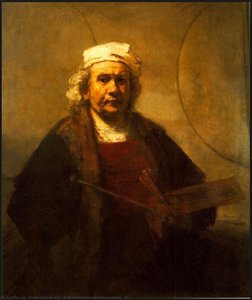
In Self-Portrait with Two Circles by Rembrandt van Rijn, a profound sense of somber amber and deep, earthen umber dominates the canvas, establishing a mood of quiet, weathered introspection. This mastery of a restricted, tonal palette is precisely why this work remains a cornerstone among the top 25 artworks of Rembrandt van Rijn . By utilizing heavy impasto textures and his legendary chiaroscuro technique, Rembrandt allows light to emerge from the darkness, sculpting the aged features of his face with unparalleled emotional depth.
For the modern interior designer or collector, this painting offers a sophisticated blueprint for atmospheric curation. The dramatic interplay of shadow and warm, golden highlights can be used to anchor the lighting design of a formal dining room or a private study, creating a space that feels both prestigious and intimate. Integrating such a powerful piece into a corporate lounge or luxury hotel suite provides an immediate sense of historical gravity and timelessness, utilizing Rembrandt's signature light to evoke a feeling of wisdom and enduring strength.
The jewish bride - Rembrandt van Rijn
 The jewish bride - Rembrandt van Rijn
Acquiring The Jewish Bride by Rembrandt van Rijn is more than an aesthetic choice; it is a profound investment in a legacy of unparalleled taste and historical significance. As one of the most revered works within the top 25 artworks of Rembrandt van Rijn, this masterpiece stands as a pillar of the Dutch Golden Age, commanding immense market value and scholarly prestige due to its masterful execution of chiaroscuro .
The painting envelops the viewer in an intimate embrace, where heavy, impastoed textures and earthy tones of gold, deep red, and burnt umber create a tactile, sensory experience. Rembrandt’s use of light illuminates the tender connection between the figures, highlighting the woman's vibrant attire and the man's protective gesture with a glowing, quiet prestige. The palpable emotion and psychological depth found in this work offer an unparalleled sense of warmth. For the modern professional decorating luxury hospitality or corporate spaces, a high-quality hand-painted reproduction carries the same aesthetic authority and status, bringing a sophisticated, timeless atmosphere to any contemporary interior design project.
Portrait of the Artist as a Young Man - Rembrandt van Rijn
 Portrait of the Artist as a Young Man - Rembrandt van Rijn
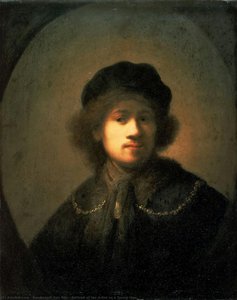
In the Portrait of the Artist as a Young Man , Rembrandt van Rijn achieves a structural harmony that anchors this piece within the top 25 artworks of his career. The composition is built upon a masterful balance of weight and void; the solid, dark mass of the subject’s formal attire provides a grounded foundation, while the sharp, triangular highlights on the face draw the eye toward a central point of intense psychological focus. This geometric precision creates a sense of timeless perfection that has captivated collectors for centuries.
For the modern professional furnishing contemporary or minimalist spaces, this artwork offers an incredible design advantage. The way the figure emerges from deep, velvety shadows mirrors the principles of modern minimalist design, where negative space and clean lines are paramount. By utilizing such dramatic chiaroscuro , the painting acts as a sophisticated anchor, bringing a sense of historical depth and quiet strength to a clean, uncluttered aesthetic without overwhelming the room’s visual balance.
Isaac and Rebecca, known as - Rembrandt van Rijn
 Isaac and Rebecca, known as - Rembrandt van Rijn
In Isaac and Rebecca , painted in 1669, Rembrandt van Rijn delivers a masterclass in psychological intimacy. This work is not merely a biblical illustration; it is a profound exploration of human connection. Through his legendary use of chiaroscuro , the artist sculpts the figures from deep shadows, casting a warm, golden light upon the entwined arms and tender expressions of the pair. The contrast between the heavy, textured stone background and the delicate, luminous skin tones creates a palpable sense of atmosphere, pulling the viewer into this private moment of courtship.
The painting captures the very essence of anticipation—the unspoken promise held within a smile and a gentle embrace. As one of the top 25 artworks of Rembrandt van Rijn , this piece represents a lineage of taste that transcends time. Owning such a masterpiece is an inheritance of emotion; it brings the dramatic light and soulful depth of the Dutch Golden Age directly to your walls, allowing you to inhabit the same space as a true master of the Baroque era.
Woman with a Pink - Rembrandt van Rijn
 Woman with a Pink - Rembrandt van Rijn
In the vast canon of the Dutch Golden Age, “Woman with a Pink” (1626) stands as an early, breathtaking testament to Rembrandt van Rijn’s burgeoning mastery of chiaroscuro . This intimate portrait transcends mere likeness, acting as a profound study of quiet intensity and symbolic resonance. The vibrant crimson of the subject's attire commands the eye, while the delicate pink flower held close to her chest serves as a poignant emblem of love and fleeting beauty—a theme that remains deeply relatable in our modern era.
As one of the top 25 artworks of Rembrandt van Rijn , this piece earns its place through its exceptional use of light to sculpt human emotion. The way the soft illumination catches her direct, arresting gaze invites viewers into a silent, timeless dialogue about vulnerability and strength. For collectors and designers, integrating such a masterpiece into a curated space offers more than decoration; it introduces a soulful narrative of texture and depth, creating a sophisticated atmosphere where historical grandeur meets contemporary elegance.
Philosopher in Meditation - Rembrandt van Rijn
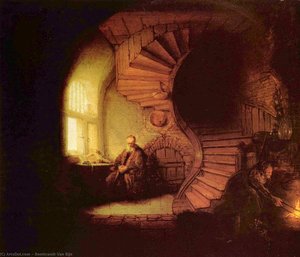 Philosopher in Meditation - Rembrandt van Rijn
Step into the quiet, amber-hued shadows of 1632 with Rembrandt van Rijn’s Philosopher in Meditation . This intimate masterpiece invites you to witness a profound moment of stillness, where the air feels heavy with thought and the scent of old parchment. Through his legendary use of chiaroscuro , Rembrandt directs our gaze toward a seated figure lost in deep introspection, while a dramatic spiral staircase ascends into the darkness, symbolizing a spiritual journey toward enlightenment.
The painting is a sensory experience; you can almost feel the warmth of the flickering fire and the textured weight of the scattered books. While some scholars suggest this scene may actually depict a biblical narrative from the Book of Tobit, its emotional resonance remains universal. The interplay of light and shadow creates a rhythmic, architectural depth that transforms a simple chamber into a space of infinite mystery. For any modern interior, integrating such a powerful study of light can introduce a sense of calm, intellectual depth, and timeless sophistication , turning a room into a sanctuary for reflection.
Le Retour De L Enfant Prodigue - Rembrandt van Rijn
 Le Retour De L Enfant Prodigue - Rembrandt van Rijn
In the quiet, heavy atmosphere of Le Retour De L Enfant Prodigue , time seems to suspend itself around a single, profound act of mercy. As you gaze upon this 1660 masterpiece by Rembrandt van Rijn, you are not merely observing a biblical parable; you are witnessing the visceral texture of forgiveness. The painting is anchored by the tender embrace of a father and son, where the dramatic interplay of chiaroscuro directs your eyes toward the luminous, weathered hands and the warm, golden hues that radiate from the central figures.
Rembrandt’s masterful use of light and shadow creates a somber, contemplative mood, pulling the viewer into a world of deep reds, earthy browns, and brilliant highlights. The thick, expressive brushwork lends a palpable physicality to the scene, making the emotional weight of the reunion feel almost tangible. In a modern interior, such a powerful work serves as more than decoration; it acts as a focal point for reflection, bringing a sense of historical depth, stability, and quiet strength to any professional or private space.
Head of a Girl - Rembrandt van Rijn
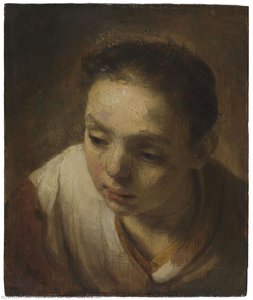 Head of a Girl - Rembrandt van Rijn
A single, soft glow emerges from the darkness, capturing a soul caught in a moment of quiet prayer or profound sorrow. In Head of a Girl , Rembrandt van Rijn achieves what few masters could: the ability to make silence visible. This work earns its place among the top 25 artworks of Rembrandt due to its unparalleled psychological intimacy and the way it utilizes his signature chiaroscuro to pull the viewer into the subject's private world of introspection.
The painting is a masterclass in texture and light, where the luminous skin tones and the delicate rendering of her hair contrast sharply against an enveloping, shadowy background. This dramatic tension does more than showcase technical skill; it creates an atmosphere of vulnerability that has influenced visual culture for centuries. Just as this masterpiece once defined the emotional depth of the Dutch Golden Age, its evocative presence continues to inspire modern design. Through high-fidelity oil reproductions, you can bring this transformative, contemplative energy into your own home or professional space, allowing Rembrandt’s timeless light to illuminate your personal gallery.
Flora - Rembrandt van Rijn
 Flora - Rembrandt van Rijn
In Flora , Rembrandt van Rijn captures a moment where light and love converge, freezing the essence of springtime within a single, luminous frame. This masterpiece earns its place among the top 25 artworks of Rembrandt van Rijn through its profound emotional intimacy and technical brilliance. By portraying his beloved wife, Saskia, as the Roman goddess of flowers, Rembrandt transcends mere portraiture to create a symbol of eternal renewal.
The painting breathes with sensory richness; the soft glow of chiaroscuro illuminates the delicate textures of her gown and the vibrant petals held in her hands, while deep, velvety shadows provide a dramatic stage for her serene expression. The interplay of light and shadow does more than define form—it evokes a sense of quiet dignity and tenderness that remains palpable centuries later. For the modern collector, integrating such a piece into a professional or residential space brings an unparalleled sense of classical sophistication and calm, serving as a timeless focal point that celebrates the enduring beauty of the Dutch Golden Age.
Biblical Scene - Rembrandt van Rijn
 Biblical Scene - Rembrandt van Rijn
What story does the dramatic interplay of shadow and light in Biblical Scene by Rembrandt van Rijn tell us about the human condition? As one of the most significant works within the top 25 artworks of Rembrandt van Rijn, this piece captures a moment of intense psychological tension. The composition focuses on two figures in period attire—one adorned with a turban—locked in a gripping embrace that suggests both struggle and profound connection. Emerging from the religious fervor of the Dutch Golden Age, this history painting breaks ground through its masterful use of chiaroscuro, pulling the viewer into a world of spiritual weight and raw emotion.
In modern interior design, such a masterpiece serves as more than mere decoration; it offers a curated escape into history. The deep, atmospheric tones and the visceral texture of the brushwork evoke a sense of timelessness, making it an ideal focal point for those looking to add depth and a scholarly, sophisticated aura to corporate or residential spaces. To possess such a work is to invite the profound drama of the Baroque era into your daily environment.
Agatha Bas (1611-58) - Rembrandt van Rijn
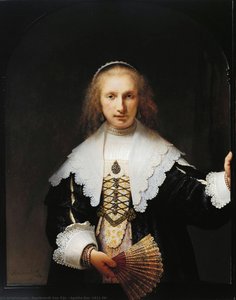 Agatha Bas (1611-58) - Rembrandt van Rijn
In the Agatha Bas (1611-58) , Rembrandt van Rijn achieves a breathtaking fusion of psychological depth and technical bravado that secures its place among the top 25 artworks of Rembrandt van Rijn. This 1641 masterpiece is renowned for its daring use of trompe l'oeil , where an illusionistic ebony frame appears to project into the viewer's space, blurring the boundary between the painted world and reality. As you observe the subject, the subtle suggestion that her hand rests against this painted ledge creates an intimate, immersive connection that is rare in Baroque portraiture.
The painting’s visual language—characterized by the luminous textures of her lace collar and the rich, dark tones of her silk gown—offers a timeless elegance. For modern collectors and interior designers, this work provides a sophisticated anchor for high-end spaces, bringing a sense of historical gravity and dramatic light to any room. Through meticulous glazes and masterful shadow, Rembrandt captures not just a likeness, but an enduring presence that continues to inspire awe in the contemporary gallery setting.
Holy Family - Rembrandt van Rijn
 Holy Family - Rembrandt van Rijn
In the quiet, amber-hued depths of "Holy Family" by Rembrandt van Rijn , we are invited into a sanctuary that transcends time. This masterpiece earns its place among the top 25 artworks of Rembrandt through its profound ability to blend the mundane with the miraculous. Within the textured confines of a carpenter’s workshop, Rembrandt utilizes his legendary chiaroscuro —the dramatic interplay of light and shadow—to illuminate the tender connection between Mary, Joseph, and the infant Jesus. The soft, diffused glow acting upon the figures serves as a theological metaphor, where radiant light pierces through the heavy umbers of earthly toil.
What makes this work essential for any curated collection is its rejection of polished idealism in favor of a tactile, breathing realism. At ArtsDot.com, we believe such profound emotional depth should not be confined to museums. Whether you are furnishing a corporate suite or a private study, bringing this level of historical mastery into your space transforms a mere room into a soulful sanctuary. It is an invitation to experience the Dutch Golden Age as living, breathing decor.
Self Portrait - Rembrandt van Rijn
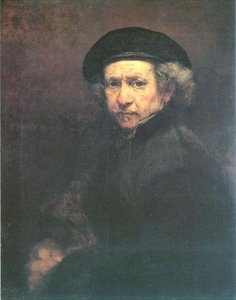 Self Portrait - Rembrandt van Rijn
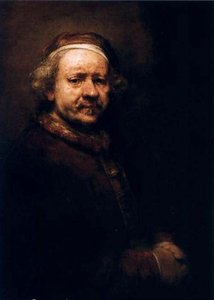
To encounter Rembrandt’s 1659 Self Portrait is to engage in a silent, profound dialogue with one of history's most introspective minds. As one of the most significant entries in our collection of the top 25 artworks of Rembrandt van Rijn, this piece captures the raw, unvarnished truth of a man facing his own mortality. Through the masterful application of chiaroscuro , Rembrandt pulls his weathered features from a sea of deep shadows, using a singular, soft light to illuminate a face etched with wisdom and weary intelligence.
The brilliance of this work lies in its tactile materiality; the artist uses thick, impasto brushstrokes to sculpt light directly onto the canvas. This heavy layering creates a sense of three-dimensional depth that remains incredibly relevant for modern interior design. For procurement managers and decorators seeking to introduce historical gravity into corporate or hospitality spaces, this portrait offers an unparalleled focal point. Its somber palette of earthy browns and deep blacks provides a sophisticated, commanding presence that harmonizes seamlessly with both classical and contemporary architectural settings.
Girl at a Window - Rembrandt van Rijn
 Girl at a Window - Rembrandt van Rijn
Acquiring a piece inspired by Girl at a Window by Rembrandt van Rijn is an investment in a profound artistic legacy and a testament to refined taste for the discerning collector. As one of the top 25 artworks of Rembrandt van Rijn, this masterpiece stands as a pinnacle of the Dutch Golden Age, renowned for its unparalleled use of chiaroscuro . The painting captures a moment of quiet introspection, where soft, diffused light illuminates the subject's delicate features against an enveloping, velvety darkness. This dramatic contrast creates a psychological depth that has solidified its immense market value and historical influence within the canon of Baroque art.
The composition, featuring a young woman lost in thought by a window, serves as a masterclass in texture and mood. The interplay of light on her skin and the subtle, thoughtful gesture of her hand invite viewers into an intimate, unspoken narrative. For those curating modern luxury interiors, a high-quality oil reproduction of this work brings an unmatched aesthetic authority and timeless status to any space, projecting the same prestige as the original found in the Dulwich Picture Gallery.
Tronie - Rembrandt van Rijn
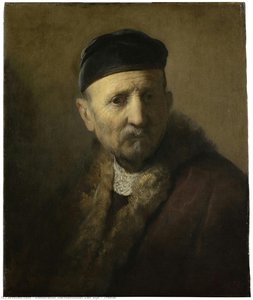 Tronie - Rembrandt van Rijn
A single, piercing gaze emerges from the amber-hued shadows of Tronie by Rembrandt van Rijn , inviting the viewer into a profound moment of silent contemplation. As part of our curated selection of the top 25 artworks of Rembrandt van Rijn, this 1631 masterpiece stands as an essential pillar of Baroque innovation. Unlike traditional portraits, this tronie transcends mere likeness to explore the universal human experience through the dramatic mastery of chiaroscuro .
The painting’s inclusion in this prestigious list is earned through its unparalleled ability to manipulate light and texture; the heavy impasto brushstrokes create a sculptural depth that makes the subject's weathered features feel tangibly present. The interplay of deep ochres and midnight blacks offers a sophisticated, moody aesthetic that serves as a timeless anchor for modern architectural spaces. At ArtsDot.com, we believe in democratizing such beauty. Through our high-fidelity, hand-painted oil reproductions, you can bring this transformative presence and the quiet prestige of the Dutch Golden Age into your own home, office, or personal gallery.
Rembrandt Laughing - Rembrandt van Rijn
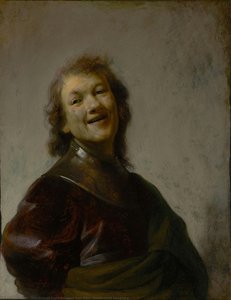 Rembrandt Laughing - Rembrandt van Rijn
Imagine standing before a canvas where the heavy silence of history is suddenly broken by a spontaneous burst of joy. In Rembrandt Laughing , created around 1628, we are not merely observing a portrait; we are witnessing a stolen moment of pure, unadulterated human connection. This early masterpiece captures a subject caught in mid-mirth, a rare departure from the stiff, formal compositions typical of the Dutch Golden Age.
As one of the top 25 artworks of Rembrandt van Rijn , this piece earns its place through its profound psychological depth and technical foresight. Even in his formative years, Rembrandt utilized light and shadow to sculpt a face that feels alive, using subtle textures to trace the movement of a smile. It is a masterclass in the tronie genre, focusing on character rather than status. For the modern professional or collector, integrating such a work into a corporate or residential space brings an incomparable warmth. It serves as a timeless reminder that even amidst the pressures of modern life, there is enduring beauty in the fleeting, joyful moments of our shared human experience.
Jeremiah Lamenting the Destruction of Jerusalem - Rembrandt van Rijn
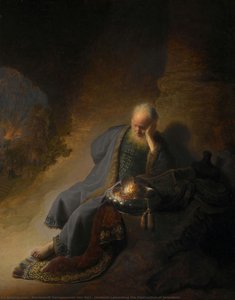 Jeremiah Lamenting the Destruction of Jerusalem - Rembrandt van Rijn
To stand before a masterpiece is to witness the weight of history through a single, human gaze. In Jeremiah Lamenting the Destruction of Jerusalem by Rembrandt van Rijn , we encounter one of the most profound expressions of grief in the Dutch Golden Age. Painted in 1630, this work captures the prophet in a moment of devastating realization, his face etched with the sorrow of witnessing his city's ruin. Rembrandt utilizes his legendary chiaroscuro to pull the viewer into the darkness, where light selectively illuminates the textures of aged skin, flowing white hair, and heavy robes, creating an intense psychological drama.
The composition is a masterclass in emotional depth; the rugged, rocky landscape and the somber presence of secondary figures serve only to isolate Jeremiah’s profound loneliness. The palette, rich with earthy tones and deep shadows, emphasizes the tactile reality of the scene. As one of the top 25 artworks of Rembrandt van Rijn, this piece remains essential for its ability to transform a space with its heavy, contemplative atmosphere, reminding us that even centuries later, art possesses the power to bridge the gap between ancient tragedy and modern empathy.
Rembrandt’s Son Titus in a Monk’s Habit, Rembrandt van Rijn, 1660 - Rembrandt van Rijn
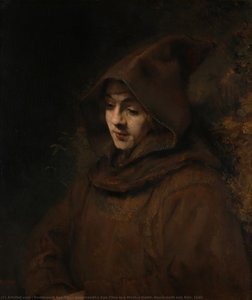 Rembrandt’s Son Titus in a Monk’s Habit, Rembrandt van Rijn, 1660 - Rembrandt van Rijn
Step into the shadows of 1660 with Rembrandt’s Son Titus in a Monk’s Habit , a work that captures a profound moment of spiritual searching and familial intimacy. In this masterpiece, Rembrandt utilizes his signature chiaroscuro to sculpt the face of his son, Titus, emerging from a deep, velvety darkness. The dramatic interplay of light does more than just illuminate; it reveals a soul caught between youthful rebellion and a yearning for monastic peace.
The texture of the painting is truly tactile, with thick impasto brushstrokes defining the heavy folds of the monk’s habit, creating a sense of physical weight and presence. There is a quiet, melancholic beauty in the way the light catches Titus's thoughtful expression, offering a window into the psychological depth that makes this one of the top 25 artworks of Rembrandt van Rijn . For any modern interior, such a piece serves as a powerful focal point, bringing an atmosphere of contemplative stillness, historical gravity, and timeless elegance to a professional or private space.
Moses Smashing the Tables of the Law - Rembrandt van Rijn
 Moses Smashing the Tables of the Law - Rembrandt van Rijn
In the profound depths of Rembrandt’s 1659 masterpiece, Moses Smashing the Tables of the Law , we witness a visceral exploration of divine retribution and human fury. This monumental work is not merely a biblical depiction; it is a masterclass in the Dutch Baroque use of chiaroscuro. Rembrandt sculpts Moses with an arresting intensity, using stark light to illuminate a face etched with both authority and unbearable sorrow. The heavy textures of the impasto technique bring a tangible weight to the prophet's beard and garments, while a rich, earthy palette of ochre, deep red, and shadow heightens the scene's psychological gravity.
Owning this piece from the top 25 artworks of Rembrandt van Rijn isn’t just a purchase; it is an inheritance. It represents a lineage of taste that brings the dramatic tension of the Dutch Golden Age directly into your space. As you observe the chaotic composition and the heavy symbolism of the tablets, you are participating in a legacy of fine art that transcends centuries, making the master's profound emotional depth a permanent fixture on your walls.
Christ and the Woman of Samaria - Rembrandt van Rijn
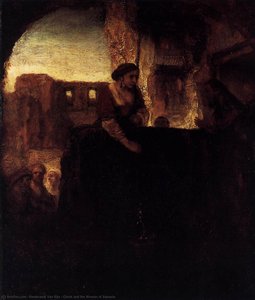 Christ and the Woman of Samaria - Rembrandt van Rijn
In Christ and the Woman of Samaria , the viewer is immediately drawn to the profound tactile depth achieved through Rembrandt’s revolutionary use of chiaroscuro . One can almost feel the weight of the shadows and the warmth of the light emanating from Christ’s countenance. The painting is a masterclass in texture; the artist utilizes painstaking layers of glazes to create a luminous, three-dimensional effect that brings the biblical encounter at Jacob's Well to life. This interplay of brilliant highlights and deep, velvety darkness does more than illustrate scripture—it captures the very psychological tension between human vulnerability and divine grace.
As one of the top 25 artworks of Rembrandt van Rijn , this piece defines the Dutch Golden Age through its emotional resonance and technical complexity. At ArtsDot.com, our mission is to preserve this tactile, three-dimensional quality for your own collection. Our hand-painted oil reproductions meticulously recreate these visible brushstrokes and tonal ranges, ensuring that the soul and physical presence of Rembrandt’s masterpiece are brought into the modern home with museum-grade precision.
Apostle Simon - Rembrandt van Rijn
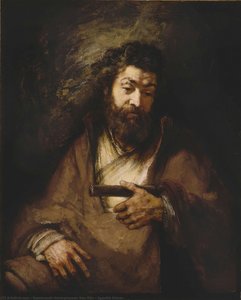 Apostle Simon - Rembrandt van Rijn
A profound stillness settles over the viewer when encountering Apostle Simon by Rembrandt van Rijn, a work that breathes with the quiet intensity of a whispered prayer. As part of our curated selection of the top 25 artworks of Rembrandt van Rijn, this 1661 masterpiece stands as a testament to the artist's late-career mastery of tenebrism . Through a deliberate palette of deep ochres, earthy browns, and heavy shadows, Rembrandt captures more than just a figure; he captures the very weight of spiritual contemplation.
The painting earns its place in this prestigious list through its unparalleled emotional depth and the way it uses light to sculpt the weathered features of Simon the Zealot. The subtle interplay of shadow across the Apostle's face evokes a sense of timeless wisdom and melancholy that continues to influence visual culture. This atmospheric gravity offers a sophisticated anchor for modern environments, allowing collectors to bring such a transformative, soulful presence into any home, executive office, or personal gallery through high-fidelity oil reproductions.
A Lady and Gentleman in Black - Rembrandt van Rijn
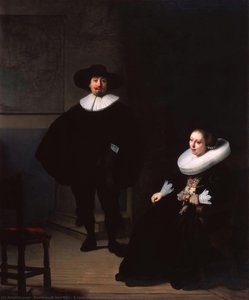 A Lady and Gentleman in Black - Rembrandt van Rijn
In “A Lady and Gentleman in Black” , Rembrandt van Rijn demonstrates the unparalleled mastery of chiaroscuro that defines his legacy among the top 25 artworks of Rembrandt van Rijn. The composition is anchored by a dramatic, singular light source that pierces through the darkness, illuminating the intricate textures of lace and heavy black fabrics with surgical precision. This interplay of profound shadow and brilliant highlight does more than just define form; it creates an atmospheric tension that has captivated historians for centuries, securing its place as a cornerstone of the Dutch Golden Age.
For the discerning professional or collector, a high-quality reproduction of this piece offers much more than mere decoration. The deep tonal range and the way the light seems to emerge from the canvas provide a sophisticated sense of movement and architectural depth. When placed in a contemporary corporate suite or a luxury hotel lobby, the painting’s moody, monochromatic elegance introduces a layer of timeless prestige and quiet luxury, transforming a standard wall into a focal point of contemplative grandeur.
Conclusion
To wander through the works of Rembrandt van Rijn is to engage in a silent, profound conversation with the human soul. His mastery of chiaroscuro does more than merely illuminate a canvas; it pulls us into the intimate shadows of our own experiences, reminding us that beauty often resides in the interplay between light and obscurity. These twenty-five masterpieces are far more than relics of the Dutch Golden Age held within museum walls; they are living presences that continue to breathe life into our modern environments. When we bring these textures and tones into our homes, we are not simply decorating a wall—we are inviting a timeless depth into our daily lives, allowing the weight of history and the warmth of human emotion to anchor our contemporary spaces.
As the light fades on this retrospective, we find that Rembrandt’s legacy remains an eternal dialogue between the artist's brush and the viewer's heart. His ability to capture the flicker of a gaze or the heavy dignity of a moment ensures that his art remains as vital today as it was in the streets of Amsterdam. Whether through the dramatic tension of a group portrait or the quiet vulnerability of a self-portrait, his work continues to shape our culture and inspire new generations of creativity. We invite you to continue this journey of discovery and find your own connection to these enduring legends by exploring our full collection .