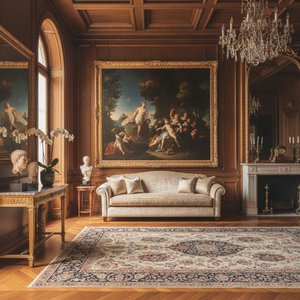
The Tactile Edge: Why Physical Texture Defines Premium Spaces
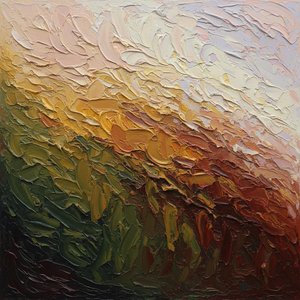
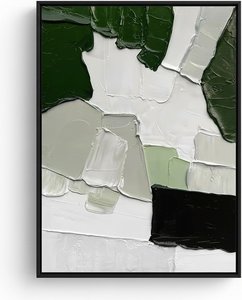 Abstract Impasto Oil Painting on Canvas - Forest Green & White
An Exploration in Green: Handpainted Abstract Canvas Art This striking abstract oil painting offers a compelling study in texture and color, bringing a contemporary sensibility to any interior. The artwork is defined by its bold, irregular shapes ren...
In the hyper-digital era of the twenty-first century, where every surface is smoothed by a screen and every image is flattened into a pixel, the true mark of luxury has shifted toward the tangible. For the discerning eye, a room is never merely a collection of furniture; it is a curated narrative, a silent dialogue between history and modernity. When we inhabit spaces defined by high-end minimalism or sleek architectural lines, there is an inherent risk of sterility. This is where the concept of texture becomes paramount. A premium interior demands more than just visual interest; it requires a sensory depth that invites the inhabitable to pause and engage.
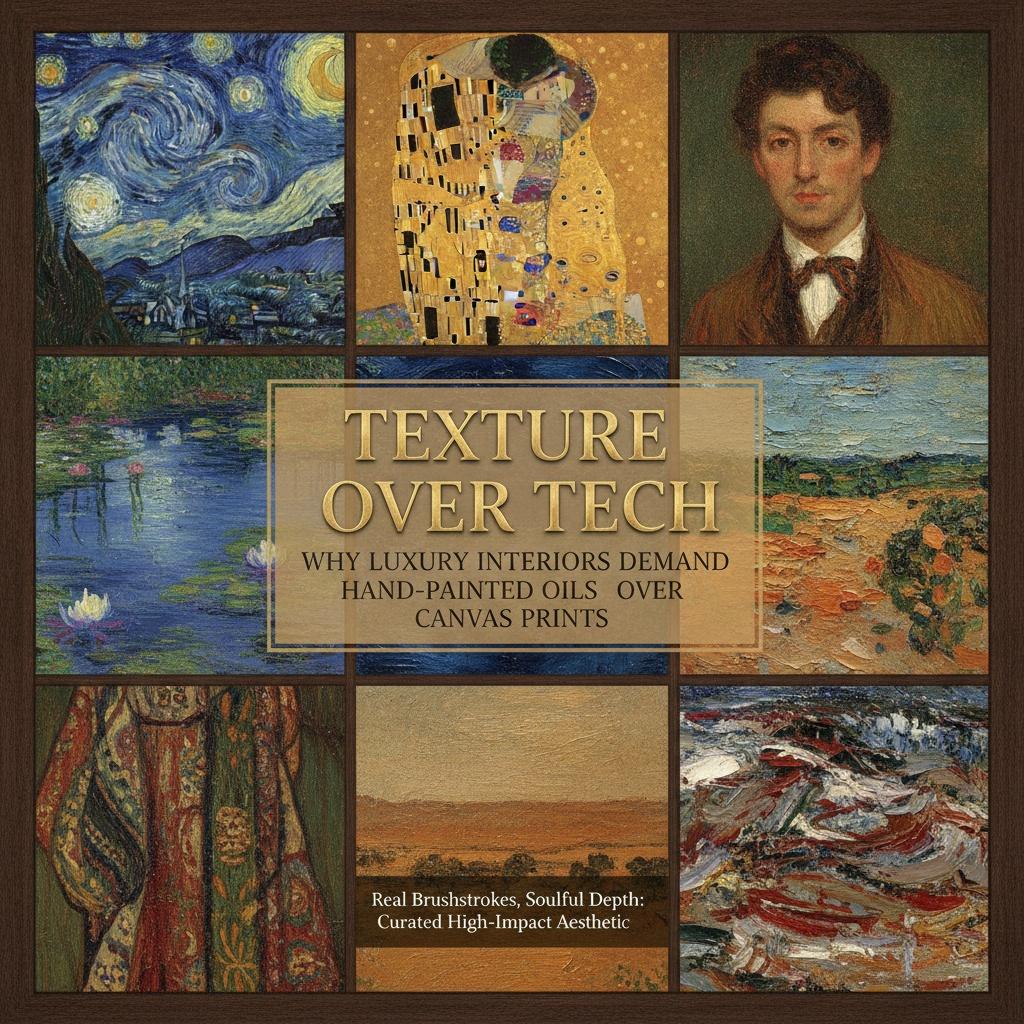
The distinction between a mass-produced canvas print and a hand-painted oil reproduction lies in the physical presence of the medium itself. While modern printing technologies offer incredible convenience and color accuracy, they are fundamentally two-dimensional. They lack the structural weight required to anchor a grand room. A true masterpiece reproduction, executed with high-quality oils on 100% cotton artist canvas, introduces a three-dimensional element to the wall. This physical presence creates a focal point that does not merely occupy space but commands it, providing a sense of permanence and cultural depth that digital media can never achieve.
Beyond the Pixel: The Soul and Depth of Hand-Applied Impasto
 Impasto
Impasto is a technique used in painting where paint is laid on an area of the surface thickly, usually thick enough that the brush or painting-knife strokes are visible. Paint can also be mixed right on the canvas. When dry, impasto provides texture;...
To understand the allure of hand-painted oils, one must look closer at the technique of
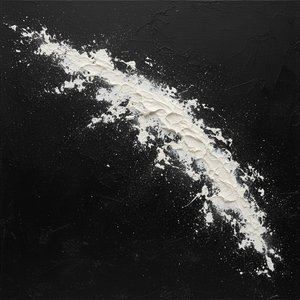
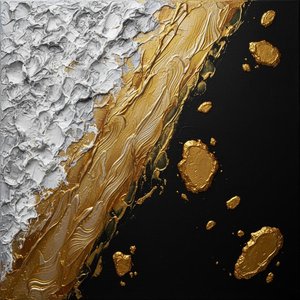
impasto. Derived from the Italian word for dough or mixture, impasto is a method where paint is laid onto the surface so thickly that the brush or painting-knife strokes remain visible. This is not merely a stylistic choice; it is an architectural feat on canvas. As light moves through a room—shifting from the morning sun to the warm glow of evening lamps—the raised ridges of dried oil paint catch and reflect that light in ever-changing patterns.
This interplay of light and shadow creates a dynamic energy within the artwork. Unlike the flat, uniform surface of a Giclée or digital print, an impasto surface possesses a structural shape. The visible brushstrokes reveal the human hand, injecting a "soul" into the piece that resonates with the inhabitant. This tactile resonance provides a sensory experience that invites contemplation. When you see the heavy, deliberate application of pigment, you are witnessing the labor of passion from artists who hold degrees from prestigious Fine Arts academies. It is this palpable weight of artistry that transforms a house into a gallery of personal significance.
Curating Permanence: Anchors of Modern Interiors
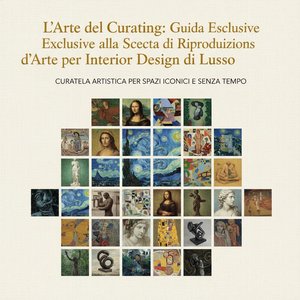 Curated Rooms: The Designer's Guide to Integrating Masterpiece Reproductions into Luxury Interiors
The Art of Curation: Establishing a Visual Narrative through Masterpieces To the discerning decorator, a room is never merely a collection of furniture; it is a curated narrative, a silent dialogue between history and modernity. The true mastery of i...
For the professional decorator or the urban professional seeking to elevate their sanctuary, selecting artwork is a strategic decision to anchor a property with prestige. In high-traffic environments such as luxury hotel lobbies, executive lounges, or fine-dining corridors, the presence of masterwork reproductions offers an unparalleled sense of stability and dignity. A well-chosen reproduction acts as a visual anchor, providing a sense of continuity in a world of fleeting trends.
The true mastery of interior design lies in the ability to select pieces that bridge the gap between eras. Imagine a contemporary living space featuring a sleek marble mantel and mid-century velvet seating; the introduction of a structured Baroque scene or a dramatic portrait can inject an immediate sense of authority and gravitas. By treating each wall as a canvas for storytelling, a designer can weave together disparate elements into a cohesive, emotive experience. These works serve as the punctuation marks in the sentence of a room's design, ensuring that the aesthetic is not just seen, but felt.
The Art of the Remix: Customizing History for Contemporary Aesthetics
One of the most exciting frontiers in modern art procurement is the ability to "remix" history to suit a personal aesthetic. We no longer live in an age where one must simply accept the past as it was; we can now reimagine it. This level of customization allows for a profound personalization of space, where the boundaries between classical tradition and contemporary identity blur beautifully.
Through advanced digital mockups and professional coordination, clients can request "Period Shifts," such as transforming a modern personal photograph into a 17-century masterpiece in the style of Rembrandt, or applying the light-drenched, impressionistic touch of Monet to a contemporary landscape. We even offer the ability to use AI tools to reconstruct photos into Cubist or Surrealist styles, which can then be commissioned to be hand-painted by a human artist onto real canvas. This intersection of technology and tradition allows for a bespoke level of curation, where you can adjust colors, combine elements from different images, or even request an "Aged & Cracked" (craquelure) finish to add an extra layer of historical authenticity to your custom commission.
Investment in Craft: The Longevity and Chemistry of Fine Oil Painting
 Oil paint
Oil paint is a type of slow-drying paint that consists of particles of pigment suspended in a drying oil, commonly linseed oil. Oil paint also has practical advantages over other paints, mainly because it is waterproof. The earliest surviving example...
True luxury is defined by its ability to endure. When investing in art for a permanent collection, the chemistry of the materials is just as important as the visual impact. Unlike digital prints that may rely on archival inks with varying lifespans, hand-painted oils are built upon a foundation of traditional, durable science. We utilize flexible gesso to prevent cracking and specific oils, such as safflower, for whites to ensure they never succumb to the dreaded yellowing over time.
Every painting is finished with a protective coat of Damar varnish, creating a shield against dust, moisture, and atmospheric pollutants. This ensures that the vibrant pigments and deep tonal ranges remain as striking decades from now as they are on the day of installation. When you choose a hand-painted oil reproduction, you are not merely buying decor; you are acquiring a piece of lasting legacy. From the reinforced stretcher bars designed to prevent warping to our global logistics network that ensures safe delivery via DHL Express, every step of the process is engineered for preservation. This commitment to craftsmanship ensures that your collection remains a vibrant, breathing part of your architectural narrative for generations to come.