
The Death of 'Sad Beige': Why Wellness Centers are Trading Minimalism for Dopamine Decor
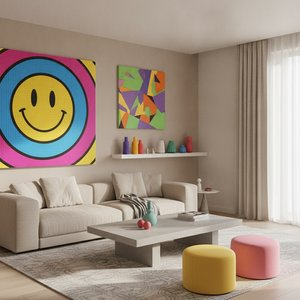 Dopamine Decor: How Bold Pop Art Transforms Neutral Interiors into High-Impact Statements
The Death of Minimalism: Why Neutral Spaces Need a Visual Jolt For too long, the design world has been held captive by a sterile, monochromatic minimalism—a trend that, while clean and undeniably safe, often lacks the emotional resonance required to ...
For far too long, the high-end hospitality sector has been held captive by a sterile, monochromatic minimalism—a trend that, while undeniably clean and safe, often lacks the emotional resonance required to truly nourish the human spirit. We have inhabited spaces that feel more like clinical galleries or transient hotel lobbies than personal sanctuaries. There is a growing fatigue with the "sad beige" aesthetic; a realization that a space without visual friction is a space without a story. In the contemporary landscape of luxury wellness, we are witnessing a profound cultural metamorphosis. The traveler no longer seeks merely to disappear into a void of neutral tones, but rather to be reawakened by an environment that breathes with vitality.
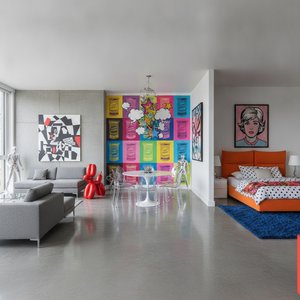
This shift is driving the rise of Dopamine Decor, a design philosophy rooted in the deliberate pursuit of joy. It is not about the chaotic accumulation of trinkets, but a curated attempt to stimulate the brain's reward centers through visual splendor and intentional color. By breaking away from the quiet, monochromatic stillness, designers are creating wellness environments that act as stages for inspiration. In these new sanctuaries, the walls do not just enclose a room; they engage in an uplifting dialogue with the guest, offering a sense of energy that counters the exhaustion of modern life.
Visual Stimuli as Therapy: The Psychology of High-Impact Color and Form
 Tactile Maximalism: A Masterclass in Styling Bold Pop Art for Dopamine-Design Interiors
The Psychology of Dopamine Decor: Curating Joy Through Color and Form Tactile Maximalism: A Designer's Guide to Styling Bold Pop Art for Dopamine Decor Interiors The Psychology of Dopamine Decor: Curating Joy Through Color and Form In the contemporar...
The magic of high-impact design lies in its ability to transform a standard lounge or spa into a sanctuary of sensory therapy. When we surround ourselves with vibrant, electric hues—deep magentas, energetic reds, and sun-drenched yellows—we are engaging in a form of psychological recalibration. These colors act as visual stimulants, breaking the monotony of neutral palettes and inviting an immediate sense of life into a room. This is where art transcends mere decoration and becomes a functional component of wellness architecture.
The use of bold, graphic forms provides a necessary anchor for this color explosion. Through Tactile Maximalism, a designer can utilize the weight of saturated color to create focal points that ground the viewer even amidst high energy. The goal is to curate joy through form, using the striking outlines and intense pigments characteristic of the Pop Art movement to trigger an emotional response. When a guest enters a wellness center and is met with a sudden, beautiful disruption of the expected, the brain is forced out of its autopilot state, fostering a sense of presence and mindfulness that is essential for true relaxation and rejuvenation.
From Comic Strips to High-End Hospitality: Mastering the Geek-Chic Aesthetic
 Geek-Chic Interiors: The Definitive Guide to Decorating with Sophisticated Pop Culture Art
The Evolution of Geek-Chic: From Subculture to High-End Interior Design There was once a time when the artifacts of our favorite narratives—the vibrant panels of comic books, the bold aesthetics of mid-century animation, and the striking graphics of ...
There was once a time when the artifacts of our favorite narratives—the vibrant panels of comic books, the bold aesthetics of mid-century animation, and the striking graphics of pop culture—were relegated to the periphery of "serious" design. They were viewed as mere ephemera, colorful but transient. However, we are now witnessing the emergence of Geek-Chic as a sophisticated movement that bridges the gap between nostalgic passion and high-end interior curation. This evolution represents a shift in how we perceive identity within our professional sanctuaries; it is no longer about fandom, but about the celebration of visual literacy.
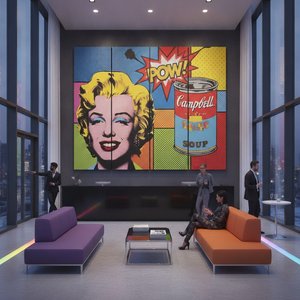
To master this aesthetic in a hospitality setting, one must look beyond the literal and toward the iconic. The modern designer does not simply display memorabilia; they compose an environment. By stripping away the chaotic energy of mass-produced trinkets and replacing them with thoughtfully selected pieces that echo the graphic power of icons like Roy Lichtenstein, the decorator creates a space that is both deeply personal and undeniably elegant. This approach allows for a sophisticated nod to contemporary mythology, using the bold lines and saturated hues of Pop Art to create a sense of timelessness and cultural relevance.
Curating Energy: Selecting Iconic Pop Art Masterpieces for Large-Scale Hotel Interiors
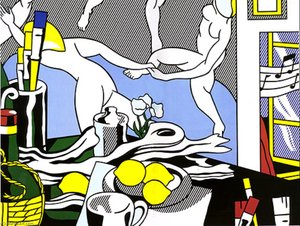 Studio the dance
The Electric Energy of Pop Iconography To stand before a piece channeling the spirit of Roy Lichtenstein’s "Studio the dance" is to be enveloped in a vibrant, almost comic-book explosion of color and narrative energy. This work is not merely a depict...
The true challenge in designing high-impact spaces lies in the art of selection. For large-scale hotel or wellness installations, the artwork must possess a certain monumental quality to command the architecture. Consider the electric energy found in works that channel the spirit of Lichtenstein’s "Studio the dance." Such pieces offer more than just a depiction; they provide an electrifying commentary on movement and connection, utilizing the signature Ben-Day dot technique to create a vibrant, almost comic-book explosion of color. This technique lends a graphic punch that forces the viewer to acknowledge the art's presence, making it an ideal candidate for wide, expansive walls.
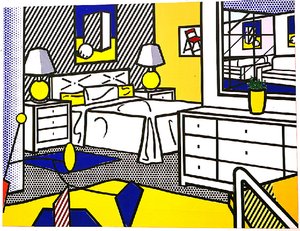
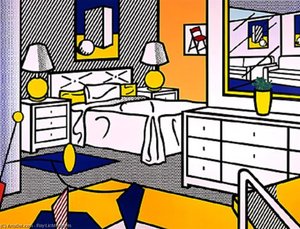
When selecting pieces for multi-panel installations, designers can utilize Group Set Paintings to split a single, powerful image across three, four, or even five panels. This creates a cohesive, modern architectural look that is perfect for staircases or grand lobbies. Whether it is the serene, muted blues of an interior with water lilies or the warm, nostalgic yellow palette of a domestic landscape, the key is to find works that possess a lasting graphic quality. The objective is to use these masterpieces to transform neutral, large-scale spaces into high-impact statements that leave a permanent impression on the guest's memory.
Tactile Maximalism: Integrating Bold Graphics with Premium Textures and Finishes
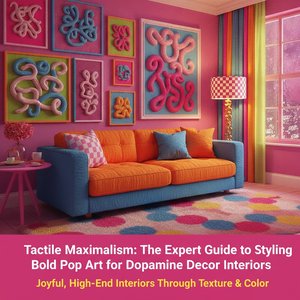 Tactile Maximalism: The Expert Guide to Styling Bold Pop Art for Dopamine Decor Interiors
The Psychology of Dopamine Decor: Why Vibrant Art Boosts Mood Tactile Maximalism: A Designer's Guide to Styling Bold Pop Art for Dopamine Decor Interiors The Psychology of Dopamine Decor: Curating Joy Through Color and Form In the contemporary landsc...
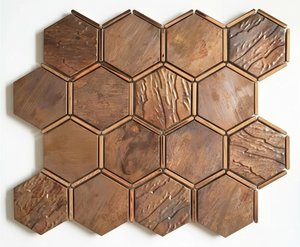
While the impulse to embrace color is the heartbeat of dopamine decor, a sophisticated designer understands the challenge of preventing this vibrancy from descending into visual clutter. This is where Tactile Maximalism becomes essential. The goal is to balance the "loud" nature of Pop Art with the "quiet" luxury of premium textures. By pairing bold, graphic canvases with rich, tactile elements—such as heavy linens, smooth velvets, or polished stone—the designer creates a layered, multidimensional environment.
The depth of a hand-painted oil reproduction offers a unique advantage in this pursuit. Unlike the flat, computer-printed look of standard posters, a true oil painting on cotton canvas features visible brushstrokes and a deeper tonal range. This physical texture provides a necessary counterpoint to the graphic intensity of Pop Art. When these high-impact pieces are integrated into a space with thoughtful architectural finishes, the result is an environment that feels both energetic and grounded—a masterclass in using art to define the very soul of a wellness destination.
For professionals looking to redefine their spaces, ArtsDot.com offers the ultimate collection of high-impact, contemporary works. From custom commissions that transform personal memories into masterpieces to large-scale multi-panel installations designed for architectural impact, we provide the tools to move beyond minimalism and into the era of extraordinary design.