Introduction
Before the neon glow of digital screens or the high-impact saturation of street art, there was the raw, monochromatic power of graphite. There is a profound, quiet intensity in a pencil stroke—a way to capture light, shadow, and soul using nothing but carbon and pressure. When we look at the most legendary graphite masterpieces, we aren't just looking at sketches; we are witnessing the foundational DNA of visual storytelling. These works represent the moments when artists stripped away the distraction of color to focus on the pure, unadulterated essence of form and emotion.
Historically, the evolution of graphite moved art from mere documentation to deep, psychological exploration. From the meticulous anatomical studies that defined the Renaissance to the gritty, expressive lines that paved the way for modern graphic movements, the pencil has been the ultimate tool of rebellion and refinement. It is a medium of intimacy, often serving as the first glimpse into an artist's unfiltered mind before a canvas is ever touched by oil or acrylic.
In our hyper-saturated, high-definition world, these monochrome legends remain strikingly relevant. They remind us that impact doesn't require a thousand colors; it requires truth. The contrast, the texture, and the sheer technical grit of these works continue to influence everything from contemporary concept art to the boldest street murals today. They teach us how to command attention through nothing but light and dark.
As we walk through this curated selection, prepare to encounter ten transformative works that redefined the boundaries of what a simple pencil could achieve. We are diving into a world of silver tones, deep blacks, and breathtaking precision—pieces that didn't just decorate history, but rewrote it.
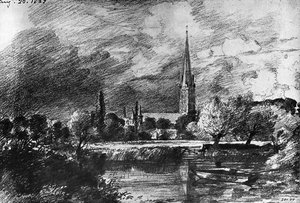
Salisbury cathedral - John Constable
 Salisbury cathedral - John Constable
In Salisbury Cathedral by John Constable, the graphite lines aren’t merely drawn; they are choreographed . This isn't just a sketch of Gothic architecture; it is a dance frozen in time , where the soaring spire reaches upward through a rhythmic interplay of light and shadow. Constable uses precise hatching and delicate tonal shifts to transform a monochromatic landscape into a breathing, atmospheric experience. The way the riverbank textures meet the monumental weight of the cathedral creates a masterclass in balance, making the chaos of nature feel like pure harmony.
The artwork captures that sublime Romantic tension—the massive, man-made spiritual anchor set against the fleeting, soft movement of clouds and water. It invites a deep, contemplative stillness into any space. What if your living room could hold that same balance? What if your walls could breathe rhythm? Bringing this level of historical depth and monochromatic elegance into a modern interior allows you to command attention through sophistication rather than noise, turning a simple wall into a gateway for profound reflection.
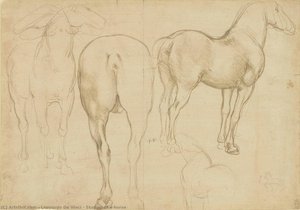
Studies of a horse - Leonardo da Vinci
 Studies of a horse - Leonardo da Vinci
Tracing the raw, rhythmic energy of Studies of a Horse by Leonardo da Vinci is like witnessing a scientific breakthrough in real-time. The graphite and metalpoint strokes are far from mere sketches; they are tactile investigations where every fine line captures the tension of sinew and the weight of bone. Da Vinci’s mastery lies in his ability to use delicate hatching to create sfumato —that legendary smoky transition—bringing a three-dimensional, breathing anatomy to a flat surface. This isn't just drawing; it is the blueprint of biological motion, a cornerstone of the greatest graphite masterpieces that changed art forever.
At ArtsDot.com, we are obsessed with preserving this incredible materiality. We don't just print images; our hand-painted oil reproductions capture the actual depth of those Renaissance strokes and the textured soul of the original paper. For the modern collector looking to bring a piece of this anatomical genius into a contemporary space, our custom works ensure that the physical pulse and sculptural weight of Da Vinci’s vision remain vivid, tactile, and profoundly impactful in your home.
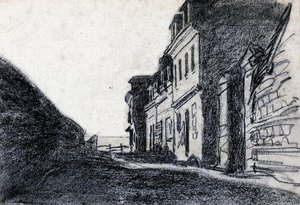
Houses by the Sea - Claude Monet
 Houses by the Sea - Claude Monet
In Houses by the Sea , the raw energy of Claude Monet’s graphite strokes pulls you directly into a coastal moment frozen in time. Before he became the king of color, Monet was mastering the grit and grain of pencil on paper. You can almost feel the friction of the lead as he uses dense cross-hatching to build architectural weight, contrasted against light, frantic lines that mimic wind-swept grass. This isn't just a sketch; it is a masterclass in using grayscale to manipulate light, creating a sense of atmosphere that feels incredibly tactile.
This piece stands in our top 10 because it captures the exact moment the Impressionist revolution began—moving away from rigid outlines toward a sensory, fluid reality. At ArtsDot.com , we are obsessed with preserving this exact materiality. Our high-end handmade oil reproductions and premium prints aim to bring that same depth of texture and light-play into your space, ensuring the soul of Monet’s original linework is felt in every shadow and highlight on your wall.
Standing pair of Lovers, Seen from the Side - Gustav Klimt
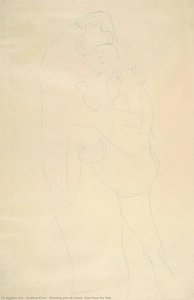 Standing pair of Lovers, Seen from the Side - Gustav Klimt
Owning “Standing Pair of Lovers, Seen from the Side” by Gustav Klimt isn’t just a purchase; it’s an inheritance. This 1908 graphite masterpiece stands as a profound exploration of human connection, stripping away the loud distractions of color to focus on the raw, tender geometry of two souls in embrace. Through meticulous hatching and delicate pencil strokes, Klimt breathes life into the monochrome, creating a palpable sense of weight in the drapery and a soft, ethereal glow that whispers of his legendary gold-leaf era.
The piece captures an intimate sanctuary, where the tension between protection and vulnerability is etched into every line. It is a quintessential specimen of Art Nouveau , using organic, swirling patterns to symbolize the interconnected rhythms of life. Bringing this level of prestige to your space means more than decorating a room; it is a lineage of taste. With ArtsDot.com, this legendary graphite pencil mastery moves from the museum walls directly to yours, allowing you to live within a moment of eternal, quiet intimacy.
Woman with Hat, Coat and Pleated Dress - vincent willem van gogh
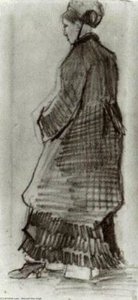 Woman with Hat, Coat and Pleated Dress - vincent willem van gogh
Before the world fell in love with his explosive yellows and swirling blues, Vincent van Gogh mastered a much more intimate language: the raw, rhythmic pulse of graphite. "Woman with Hat, Coat and Pleated Dress" is a rare, high-impact glimpse into the artist's 1882 formative period, capturing a moment of urban solitude that feels strikingly modern. This isn't just a sketch; it is a masterclass in texture and movement, where energetic hatching and rapid, spontaneous strokes breathe life into the heavy drape of a coat and the intricate pleats of a dress.
What secures its place among the top 10 legendary graphite pencil masterpieces is Van Gogh’s ability to translate deep emotion through monochrome precision. There is no color to hide behind—only the sophisticated interplay of light, shadow, and line. For the contemporary collector or designer, this piece brings a soulful, understated elegance to a space, offering a timeless aesthetic that anchors a room with its quiet intensity and historical weight. It is a profound testament to the power of the pencil to capture the fleeting essence of the human condition.
El Vagabundo - Pablo Picasso
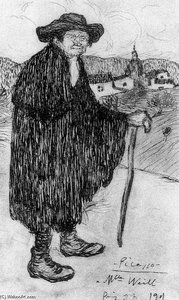 El Vagabundo - Pablo Picasso
In the raw, monochrome depths of Pablo Picasso’s "El Vagabundo," we encounter a profound meditation on the human condition that transcends mere sketching. This piece earns its spot among the top legendary graphite pencil masterpieces by stripping away the vibrant chaos of Picasso's later years to focus on pure, visceral emotion. Through heavy hatching and expressive, scratchy lines, Picasso captures the weathered soul of a wanderer set against a stark, structural landscape. The tension between the solitary figure and the distant church steeple creates a cinematic depth that feels incredibly modern.
For the contemporary collector, this work brings a sense of quiet prestige and moody sophistication to any space. Its high-contrast textures and minimalist palette mirror today's urban design trends—think brutalist aesthetics or monochrome streetwear vibes. It isn't just a drawing; it is an architectural use of shadow and light that provides a powerful, soulful anchor for a design-conscious home, proving that the most impactful visual statements often come from the simplest, most disciplined strokes.
Portrait of Fanny Cornforth - Dante Gabriel Rossetti
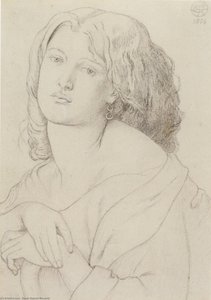 Portrait of Fanny Cornforth - Dante Gabriel Rossetti
Imagine a moment of absolute stillness, where the noise of the world fades into a soft, silvered hush. In 1869, Dante Gabriel Rossetti captured this exact frequency in his Portrait of Fanny Cornforth . There is an intimate, almost breathless quality to this graphite masterpiece; it isn't just a drawing, but a quiet encounter with a soul. Through the delicate interplay of light and shadow, Rossetti uses precise pencil strokes to render the velvet texture of hair and the serene, introspective gaze of his subject.
This work earns its place among the top 10 legendary graphite pencil masterpieces because it transcends mere technical skill. It embodies the Pre-Raphaelite obsession with naturalism and emotional depth, proving that monochrome precision can carry more weight than a full palette of oils. The subtle hatching and tonal gradations create a sense of living, breathing presence that feels remarkably modern. Bringing such a piece into a contemporary space does more than decorate a wall; it introduces a focal point of profound serenity and timeless grace, reminding us to find beauty in the quietest reflections of life.
Untitled (After Malevich and Schiele), from the 1917 exhibition, Nature Morte Gallery, New York - Sherrie Levine
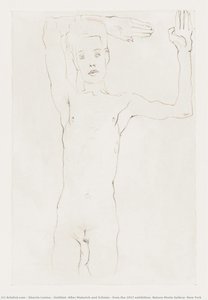 Untitled (After Malevich and Schiele), from the 1917 exhibition, Nature Morte Gallery, New York - Sherrie Levine
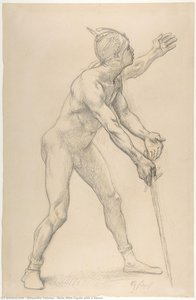
Sherrie Levine’s Untitled (After Malevich and Schiele) is a high-voltage masterclass in the art of the remix. This isn't just a graphite drawing; it is a bold, conceptual takeover that challenges everything you thought you knew about originality. By appropriating the raw, expressive energy of Schiele and the geometric soul of Malevich, Levine creates a visual collision that feels both ancient and hyper-modern.
The piece hits with an immediate, striking impact: a monochromatic nude figure captured in a moment of intense upward yearning. The graphite lines are sharp and intentional, tracing the anatomy with a smooth, almost liquid texture that flows across the paper. There is a profound, quiet prestige in its grayscale palette—soft, diffused shadows create an atmosphere of deep introspection and spiritual seeking. As you gaze at the dynamic diagonal movement of the raised arms, your space transforms from a mere room into a curated gallery of intellectual rebellion. It is a hauntingly beautiful testament to how art evolves through repetition, proving that true genius lies in seeing the familiar through a completely new, radical lens.
Dog - vincent willem van gogh
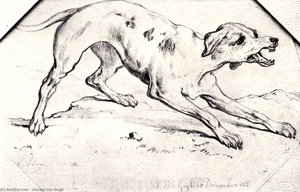 Dog - vincent willem van gogh
Forget the heavy oils and swirling stars for a moment; Vincent van Gogh’s Dog captures a raw, electric pulse that hits just as hard in monochrome. This isn't just a sketch of animals; it is a masterclass in capturing pure, unadulterated kinetic energy through the humble graphite pencil. Van Gogh strips away the distraction of color to focus on the soul of movement, using aggressive, sketchy lines and rhythmic hatching to make the central figure feel as though it might leap right off the paper.
Securing its spot among the greatest graphite masterpieces, this work transcends simple animal portraiture to touch on themes of freedom and spontaneous vitality. The diagonal composition and the interplay of light and shadow create a visual tension that feels incredibly modern—perfect for a contemporary space looking for a punchy, high-impact focal point. It invites us to find beauty in the fleeting, unrefined moments of life, proving that true artistic power doesn't need a full palette—just a bold vision and a steady hand.
Pulpit in Saint Mark's, Venice - George Henry Yewell
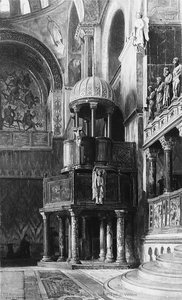 Pulpit in Saint Mark's, Venice - George Henry Yewell
In Pulpit in Saint Mark's, Venice , the graphite lines aren’t merely drawn; they are choreographed . George Henry Yewell doesn't just sketch architecture; he captures a dance frozen in time , where every stroke of the pencil breathes life into the heavy, sacred stone of the Basilica. This isn't just a drawing—it is a masterclass in tension and grace, using meticulous hatching to transform flat paper into a space that feels both monumental and intimately alive.
Observe how the light seems to drift through the grayscale shadows, catching the rough grain of ancient marble and the shimmering promise of distant mosaics. The composition uses a low-angle perspective to pull you deep into the Venetian grandeur, making the heavy architectural elements feel weightless through sheer technical brilliance. For the modern collector, this piece offers more than historical prestige; it brings a sense of rhythmic balance to any contemporary space. What if your walls could breathe rhythm ? This masterpiece proves that even in monochrome, art can possess an undeniable, pulsing soul.
Conclusion
As the light fades on this gallery of graphite shadows, we are left with more than just a collection of lines and tones; we are left with the echoes of human breath captured in carbon and lead. These legendary masterpieces prove that art is never truly static or confined to the past. They are living presences, pulsing with an energy that transcends the centuries, bridging the gap between the hands of long-departed masters and the souls of those who gaze upon them today. Each stroke of the pencil serves as a silent, timeless conversation—a way for an artist from another era to reach through the veil of time and touch our modern consciousness.
Whether it is the raw intensity of a portrait or the delicate precision of a landscape, these works continue to shape our interiors, stir our deepest emotions, and ignite new waves of creativity in the digital age. They remind us that while technology evolves, the human need for beauty, depth, and connection remains unshakeable. As you look for your own piece of this enduring legacy, we invite you to explore our full collection , where the profound weight of history meets the vibrant pulse of contemporary life, ensuring that these monumental stories continue to find a home in the hearts and spaces of the world.